Li Shan (梨山 · “Pear Mountain”) is one of the highest-lying tea areas in Taiwan, situated in the central Zhongyang Shanmai range in Heping district, Taichung. The gardens spread at altitudes of 1,700 - 2,600 m - the most famous sites, Fu Shou Shan and Da Yu Ling, are among the very highest commercial tea plantations in the world.
Until the 1980s the region grew mainly apples, pears and peaches - fruit growing was founded here by Kuomintang veterans after 1949, and the mountains were named after their characteristic pear production. Tea bushes came later; pilot plantations on the Fu Shou Shan state farm laid the foundation for the gradual transition from fruit to tea, which today forms Li Shan's main agricultural identity.
The climate is exceptionally favourable for tea - the average temperature in the main gardens stays around 10 - 15 °C, dense mist envelops the slopes most days of the year and protects the leaves from direct sun. The cool, humid air slows growth, the leaves are smaller and fleshier, with a higher concentration of aromatic compounds and amino acids. Irrigation is not needed.
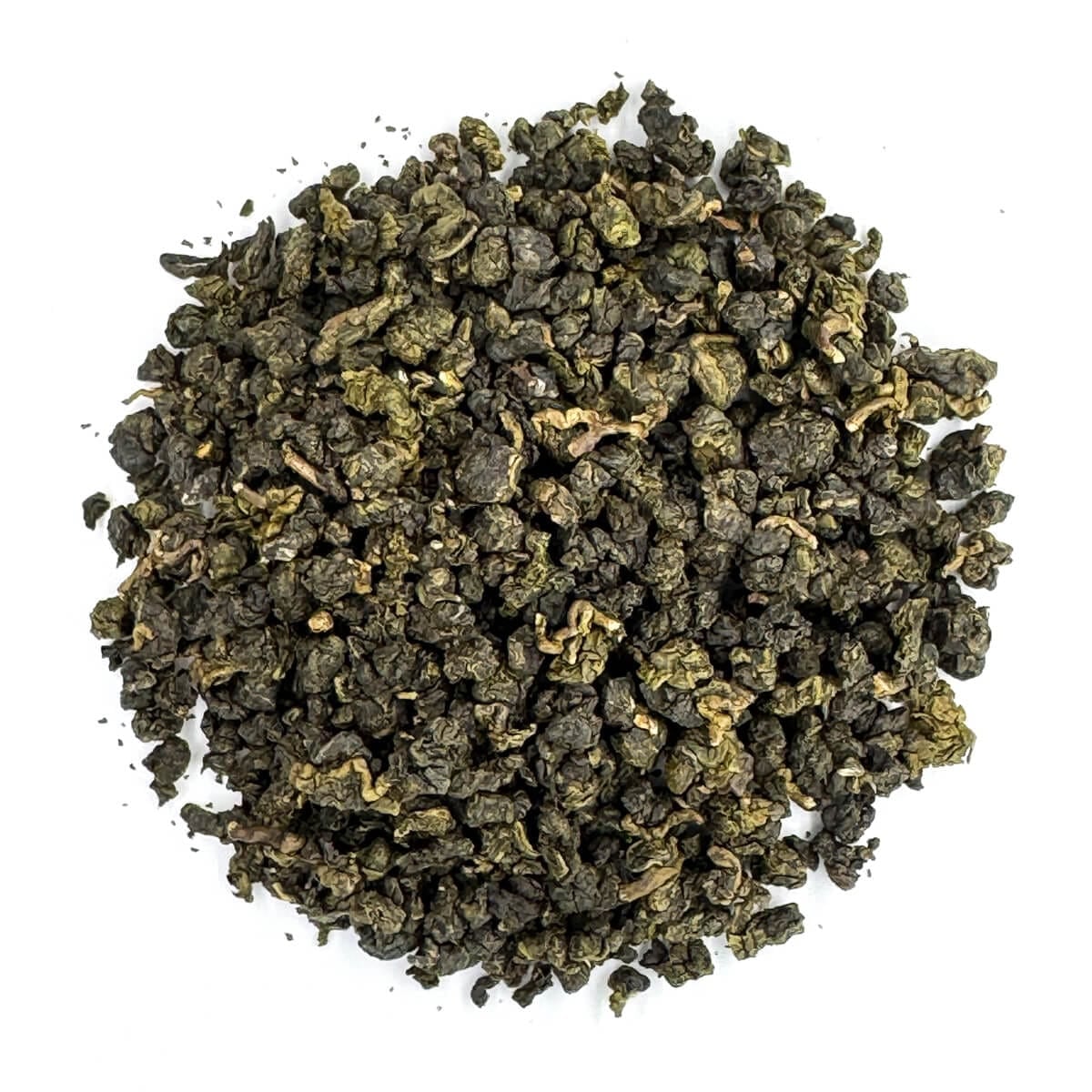
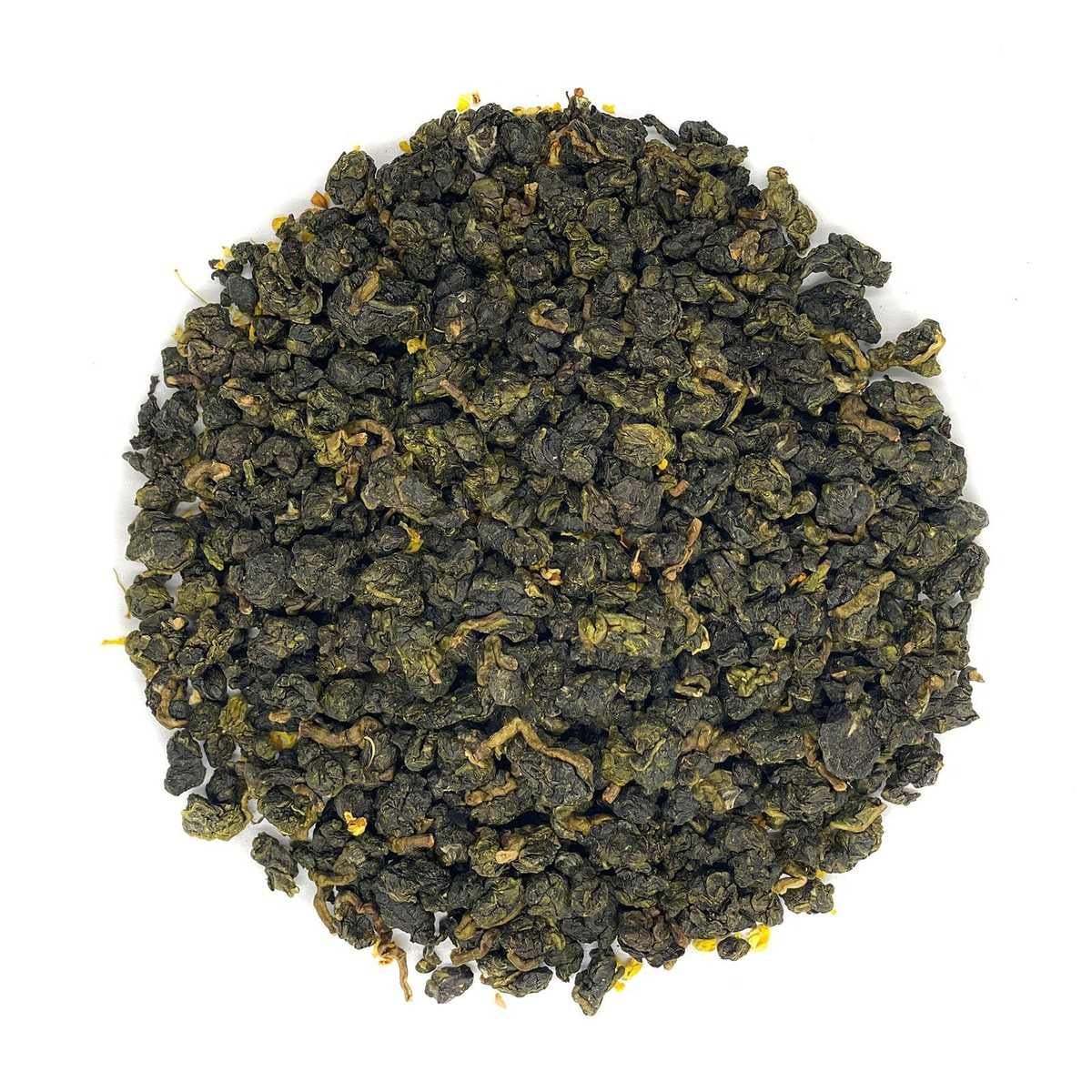
Li Shan's speciality is a high-mountain oolong from the Qing Xin cultivar (青心烏龍) - lightly oxidised (15 - 25 %), rolled into balls, mostly unroasted or only gently finished. The liquor is light gold, the aroma markedly floral (orchids, white flowers), the taste creamy and sweet with a long finish. The most prized are the spring harvest (April - May) and the winter harvest (November - December). Li Shan is among the most prestigious and most expensive teas in Taiwan.