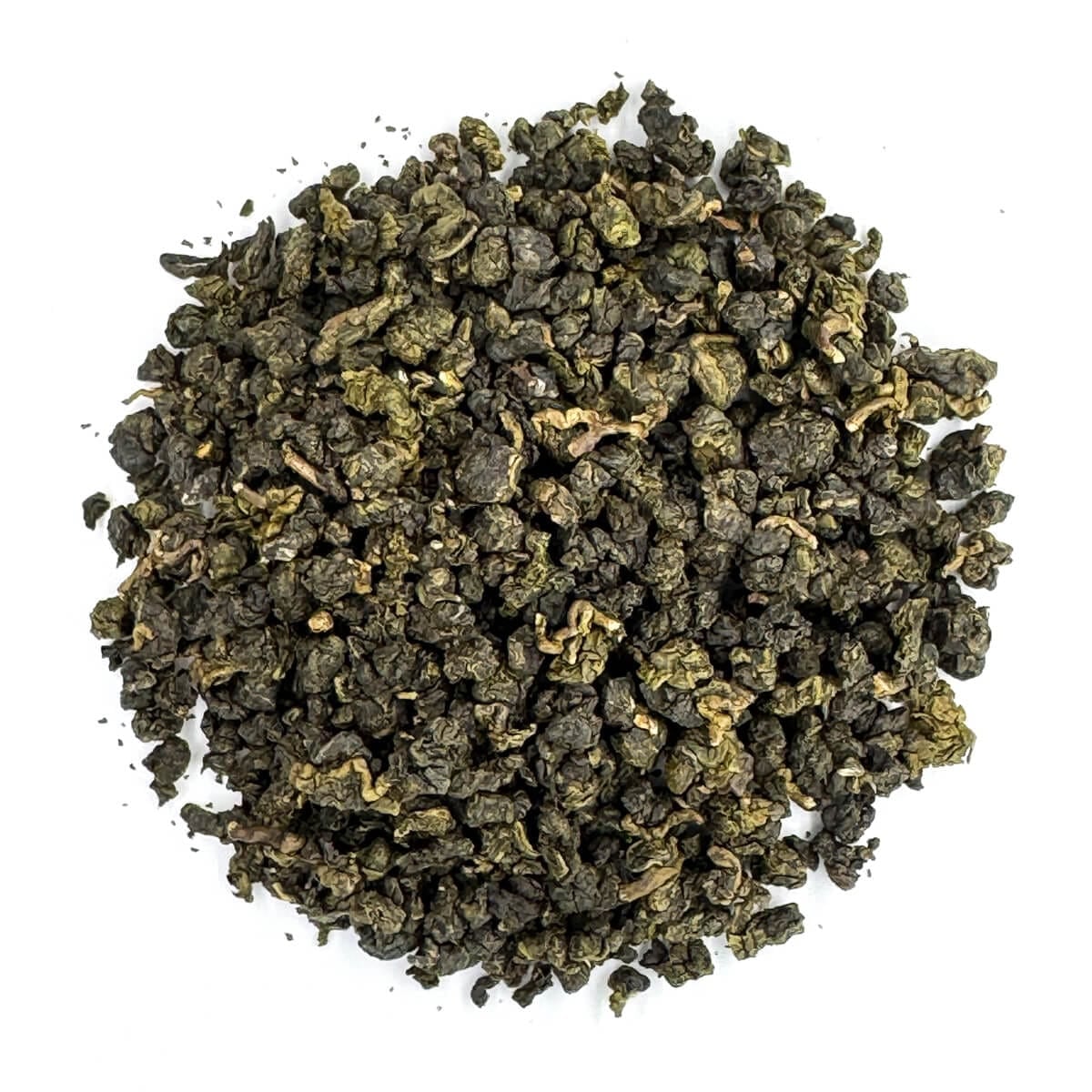
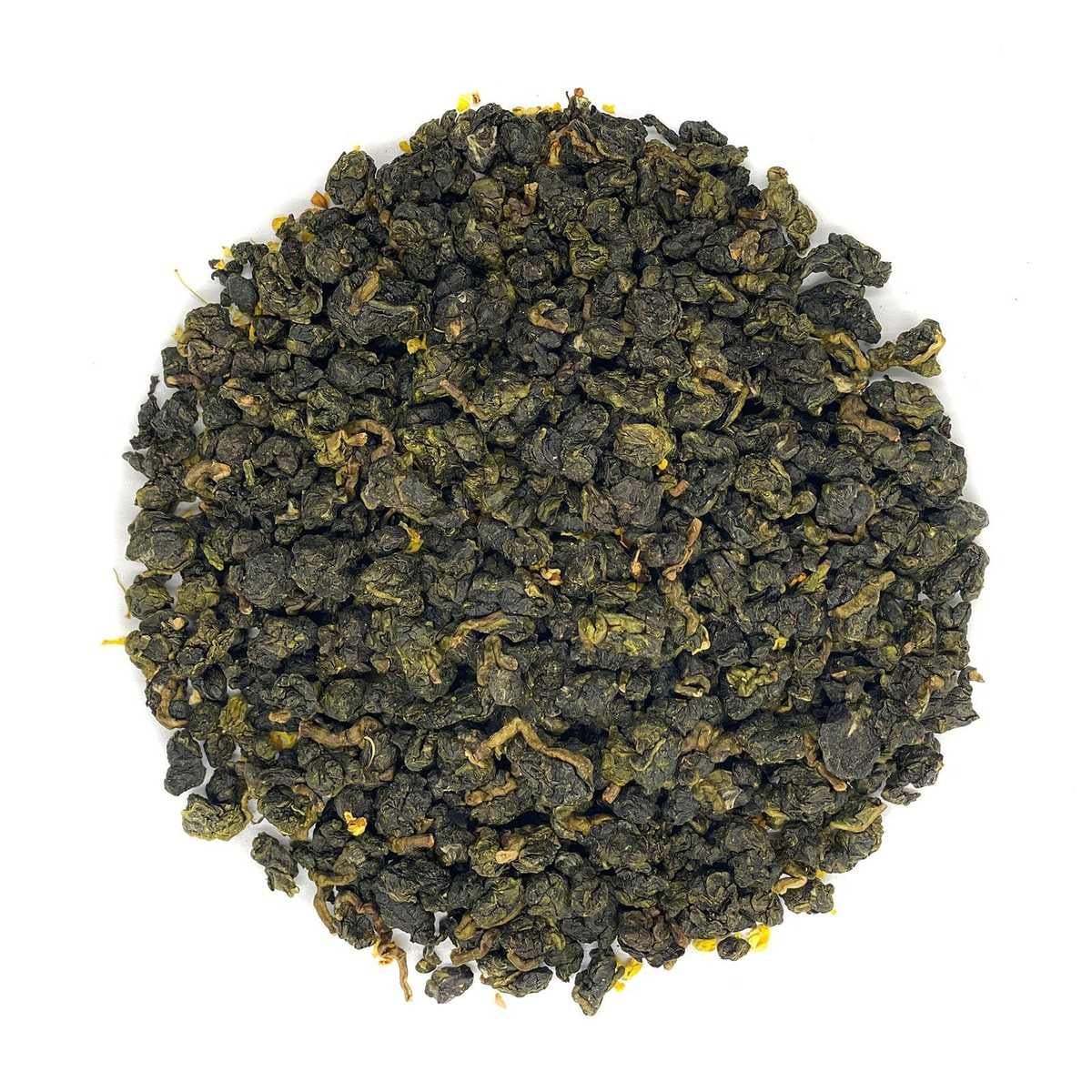
A Li Shan (阿里山) is a mountain range in central Taiwan, in Chiayi County. It is a vast mountain belt with several peaks, the highest of which, Datashan (大塔山), reaches 2,663 m, today registered as the Alishan National Scenic Area.
Tea growing here is young compared with other Taiwanese regions - the plantations arose from the late 1970s, when the Taiwanese government supported the relocation of farmers from the lowlands to the high mountains. Before that, cypress forests dominated the region. The native inhabitants of Alishan are the aboriginal Zou people (鄒), who, as one of Taiwan's indigenous peoples, have preserved their own language and culture.
The main tea belt today lies at an altitude of 1,000 - 1,500 m above sea level, mainly around the villages of Alishan Township, Meishan, Zhuqi and Fanlu. Alishan has a cooler, very humid climate with dense morning mist - it filters direct sunlight, slows photosynthesis and concentrates the aromatic oils and sugars in the leaves. The day-night temperature swings and mildly acidic soil make Alishan an ideal environment for fine-leaf oolongs.
The dominant variety is Qing Xin (青心) - a classic of Taiwanese high-mountain teas - complemented by Jin Xuan (金萱, TTES no. 12) and occasionally Cui Yu (翠玉, TTES no. 13). Harvesting takes place 2 to 4 times a year, with the spring (春茶) and winter (冬茶) harvests the most prized - slow growth in the cold gives the leaf a denser body and a sweeter finish. Alishan High Mountain Oolong is typically lightly oxidised (15 - 25 %), the liquor bright gold, the aroma floral-creamy with a long-lasting honey-sweet finish.