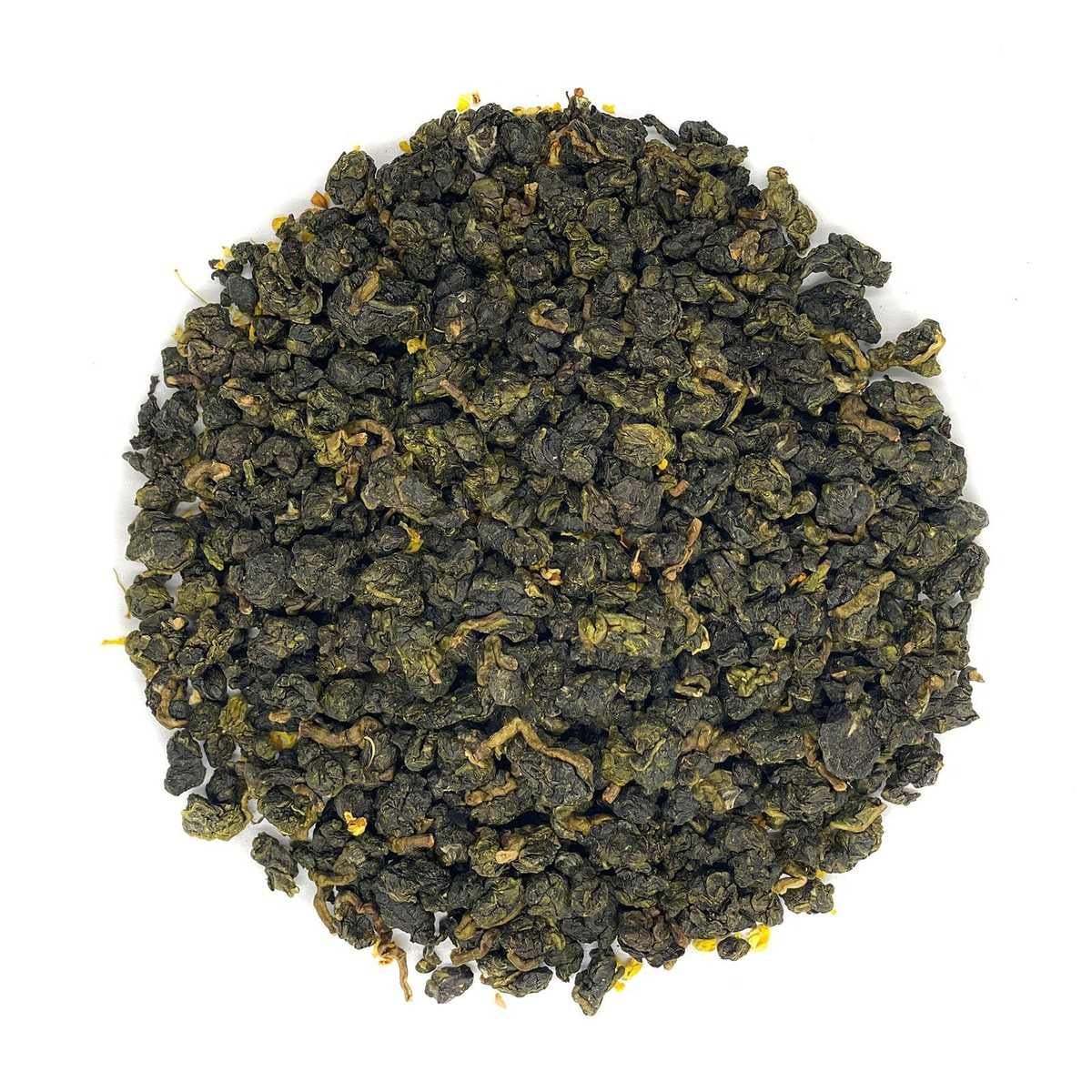
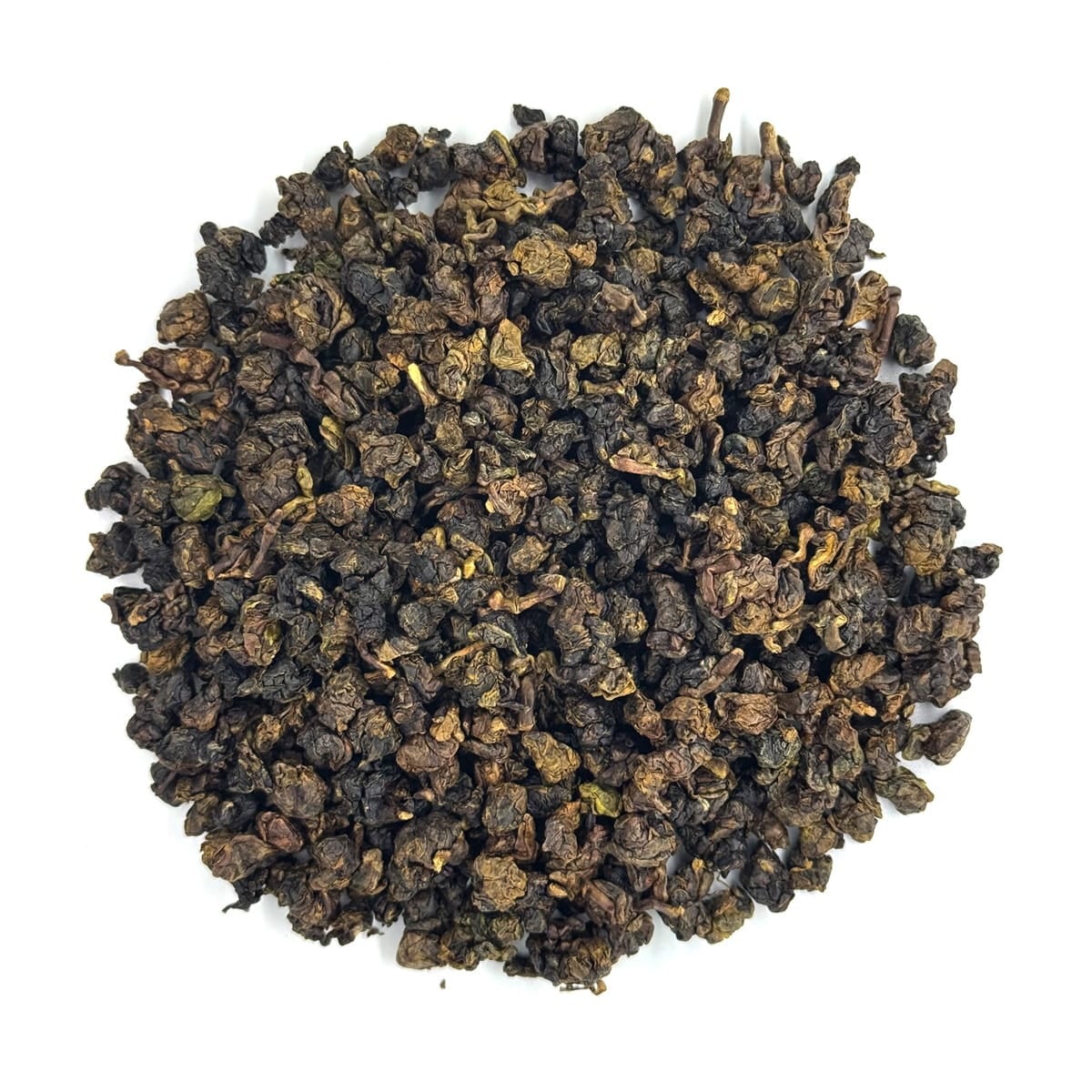
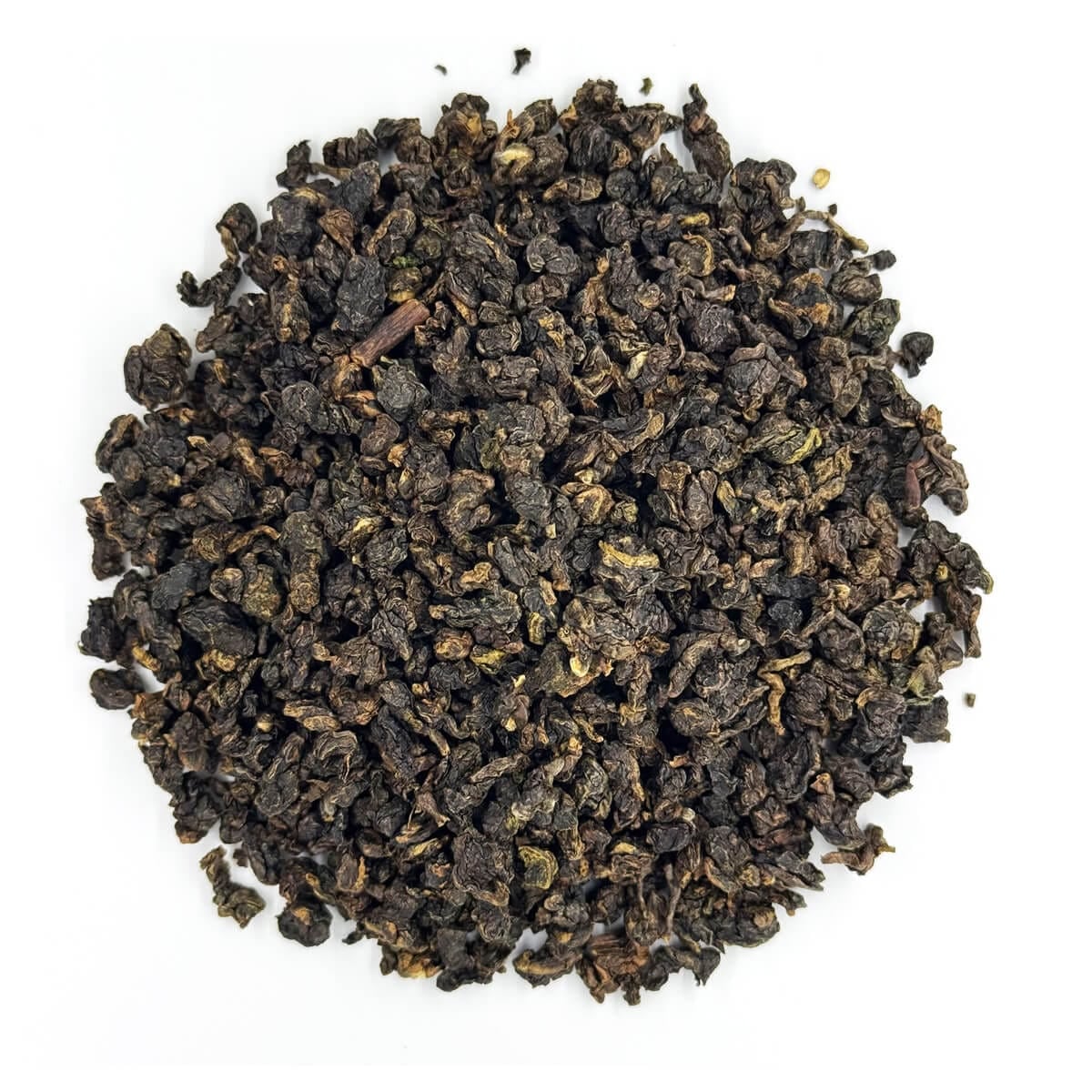
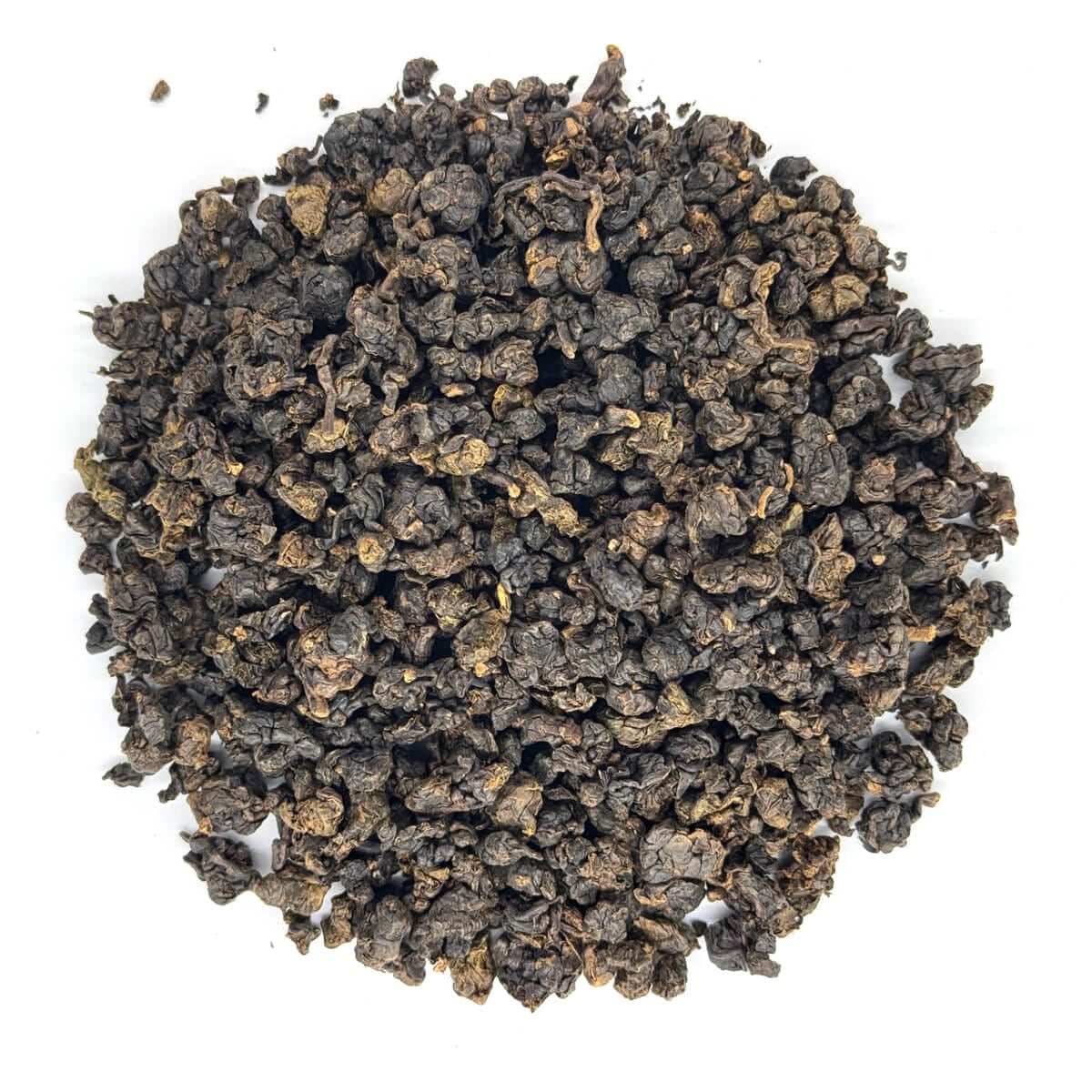
Nantou is the only inland area of Taiwan - a region without a coastline, surrounded by mountains. Within its territory lie Sun Moon Lake and the Yushan (Jade Mountain, 3,952 m) national park - the island's highest peak (the park also extends across the neighbouring counties of Chiayi and Kaohsiung). This regional geography - from lowlands through rolling hills to high-mountain slopes - makes Nantou one of Taiwan's most productive tea regions.
Tea was brought here at the beginning of the 19th century by immigrants from the Chinese province of Fujian. They brought the Qing Xin cultivar (青心, “green heart” - named after the gently blue-green tint of the young buds) - to this day the main variety for classic Taiwanese oolongs. In the village of Dong Ding, lying on the slope of the same name in Lugu district, the first locally famous oolong was created in the second half of the 19th century - Dong Ding Oolong (凍頂烏龍, “frozen summit”), which later became the model for the whole category of semi-oxidised Taiwanese teas.
The modern era began around 1980, when the Taiwanese Tea Research and Extension Station (TRES) bred the Jin Xuan cultivar (金萱, TTES no. 12) - a variety with a natural buttery-creamy aroma. In the consumer world it is today often sold under the name Milk Oolong; it should be noted, however, that the strong milky aroma in some commercial versions is artificially added - an authentic Jin Xuan has a subtler creamy note. Alongside it, Cui Yu (翠玉, TTES no. 13, a floral profile) and several regional selections were created.
High-mountain (gāo shān 高山) teas grown at altitudes above 1,000 m are today the region's flagship. In the areas of Ming Jian (lowlands), Lugu (classic Dong Ding), Wushe, Shan Lin Xi (~1,600 m) and Cui Feng (~2,000 m), oolongs grow with markedly different profiles - from gently floral notes to denser, creamy-sweet high-mountain ones. Frequent morning mists, large day-night temperature differences and mildly acidic volcanic soil slow the growth of the leaf and concentrate the aromatic oils.
The region has not always been peaceful. The “921” earthquake (21 September 1999, magnitude 7.6 - 7.7 Mw), with its epicentre in Chi-Chi Township directly in Nantou, destroyed much of the region's infrastructure and also damaged the local tea plantations. Farmers gradually restored the plantations and modernised the processing - but hand-picking, rolling and oxidation of the leaf and slow drying remained the basis of production. It is precisely this combination of 19th-century artisan tradition with modern cultivars that makes Nantou a place everyone heads to who wants to know the authentic roots of Taiwanese tea.