Kagoshima (鹿児島) is the southernmost prefecture on the main Japanese island of Kyushu. The terrain here is made up of gently rolling lowlands with mineral-rich volcanic soil. Combined with a warm, humid subtropical climate influenced by the Kuroshio ocean current, Kagoshima has become Japan's warmest tea region.
Tea began to be grown here during the Edo period (1603 - 1868) - the first documented commercial plantations arose in the 17th century. A major expansion came during the Meiji period (1868 - 1912), when the Japanese tea industry modernised. Today Kagoshima is Japan's second-largest tea producer - with a share of roughly 25-30%, it is second only to Shizuoka Prefecture. The main tea towns are Chiran, Kirishima, Minamikyushu, Ei and Makurazaki.
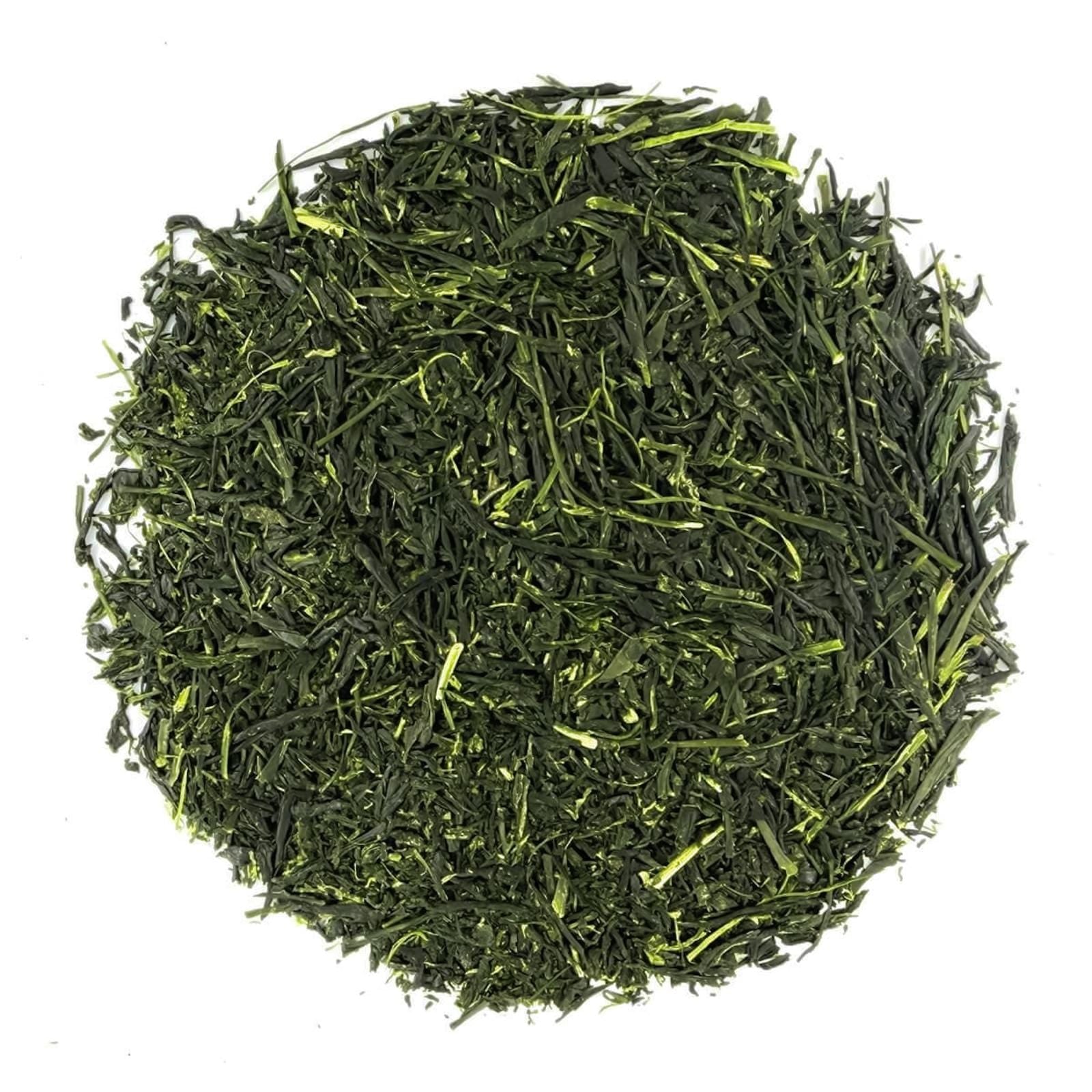
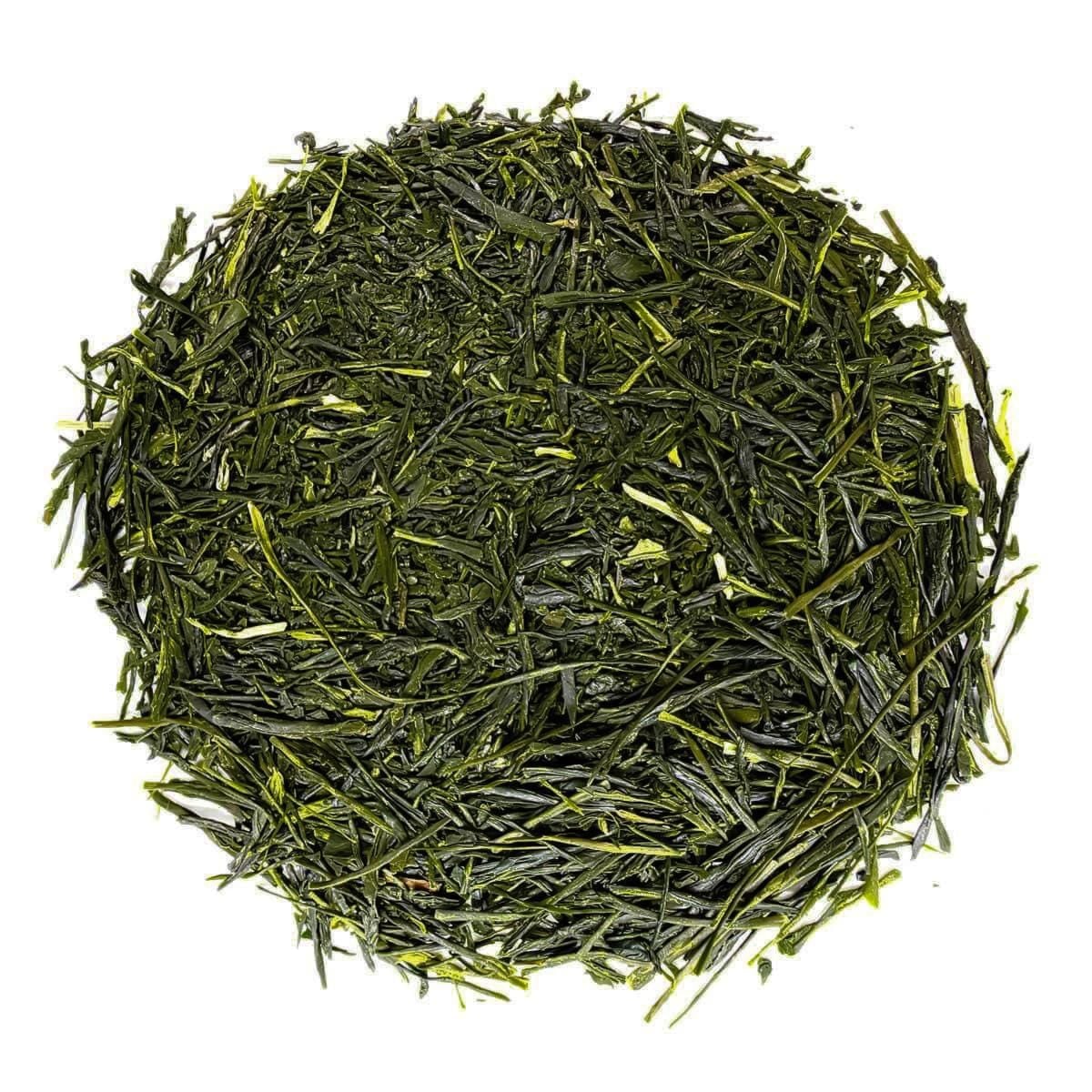
Thanks to its southern location, Kagoshima opens the Japanese tea season each year - shincha (新茶, “new tea”) from local gardens is usually the first on the market, harvested as early as late March or early April, several weeks earlier than in Shizuoka or Kyoto. Alongside the nationally dominant Yabukita, the cultivars Yutaka Midori (ゆたかみどり) and Saemidori (さえみどり) are at home here, giving the teas a fresh sweetness, a bright green liquor and a gentle umami trace. The region's processing speciality is Fukamushi Sencha (深蒸し煎茶) - “deep-steamed” sencha with a gentler, smoother taste without astringency.
Kagoshima is also a leader in mechanised cultivation in Japan - the flat relief allows machine harvesting and organised work on large plantations. At the same time, organic production is growing - many local farmers are consciously returning to pesticide-free cultivation and smaller family gardens. It is precisely this dual identity - modern efficiency alongside a return to nature - that makes Kagoshima one of the country's most dynamic tea regions.