Kyoto (京都) is an inland prefecture in central Japan and one of the oldest centres of Japanese green tea. The heart of cultivation is the town of Uji (宇治) south of Kyoto, between it and Nara, where tea fields line the valley of the river of the same name. Rising to higher ground is the mountain village of Wazuka (和束), whose terraced gardens on steep slopes today supply much of the raw material for uji-cha.
Tea was brought to the area at the end of the 12th century by the monk Eisai (榮西), who imported seeds from China; the monk Myōe planted them northwest of Kyoto, and from there cultivation spread to Uji. Under the patronage of the Ashikaga shoguns, Uji established itself during the Muromachi period (1336 - 1573) as the country's most prestigious tea area. In the 19th century gyokuro (玉露), today the most prized Japanese leaf tea, was also created here.
The landscape is made up of gentle hills and river valleys, where mist and humid air linger in the morning. The climate is warm and humid, with cooler but not extreme winters; well-drained, mildly acidic soils suit the tea plant. Diffused light and humidity slow the growth of the shoots and support the formation of amino acids, which give the leaf gentleness and umami.
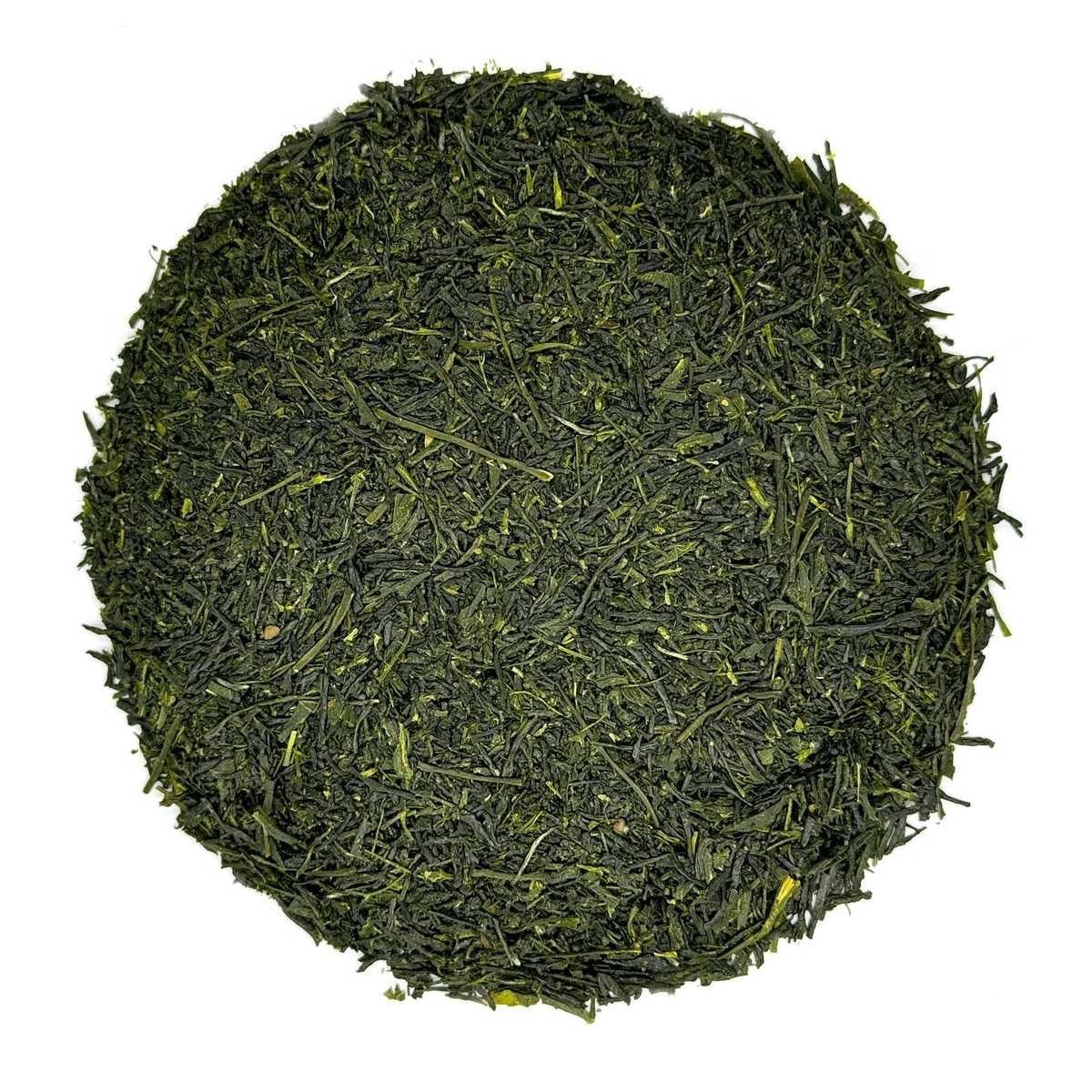
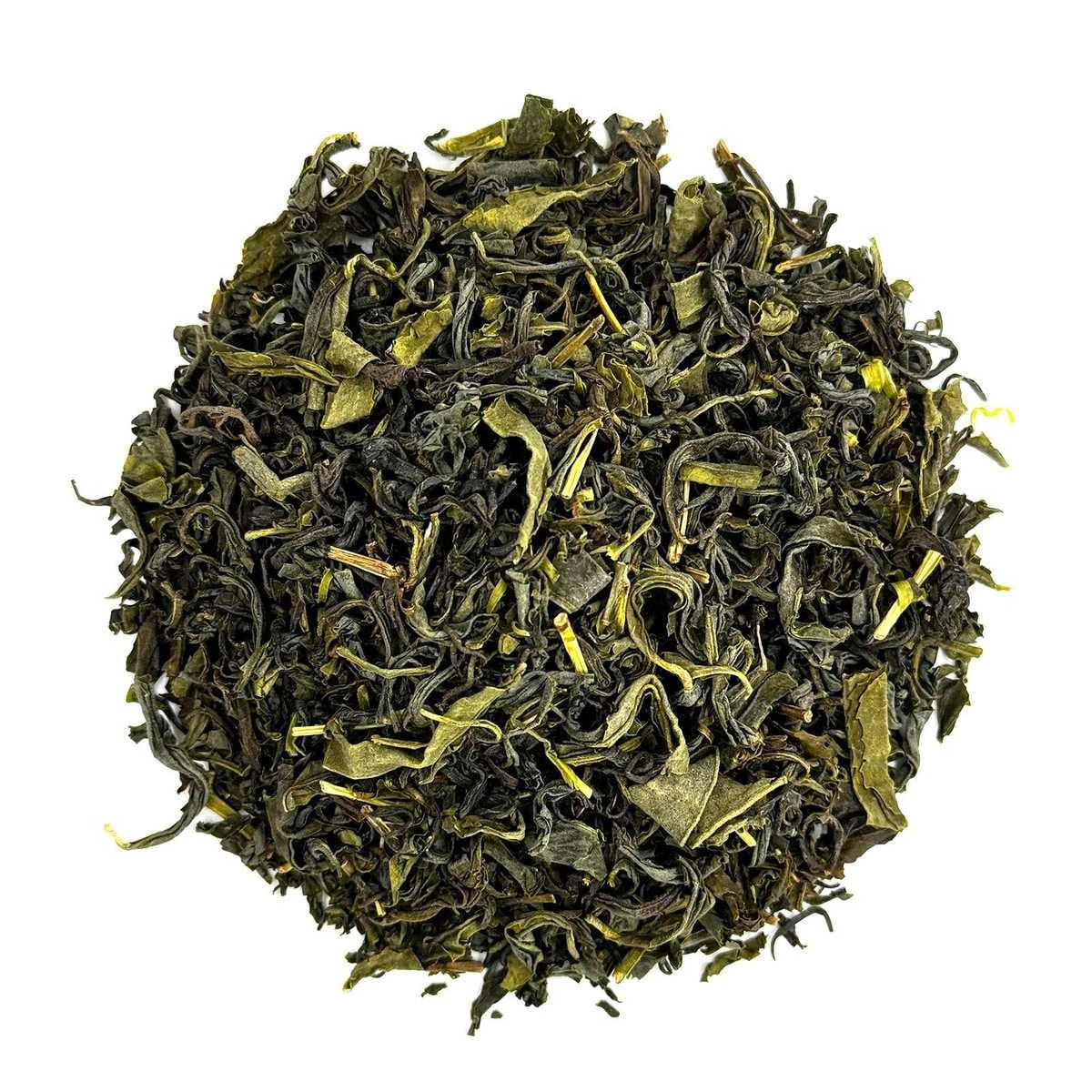
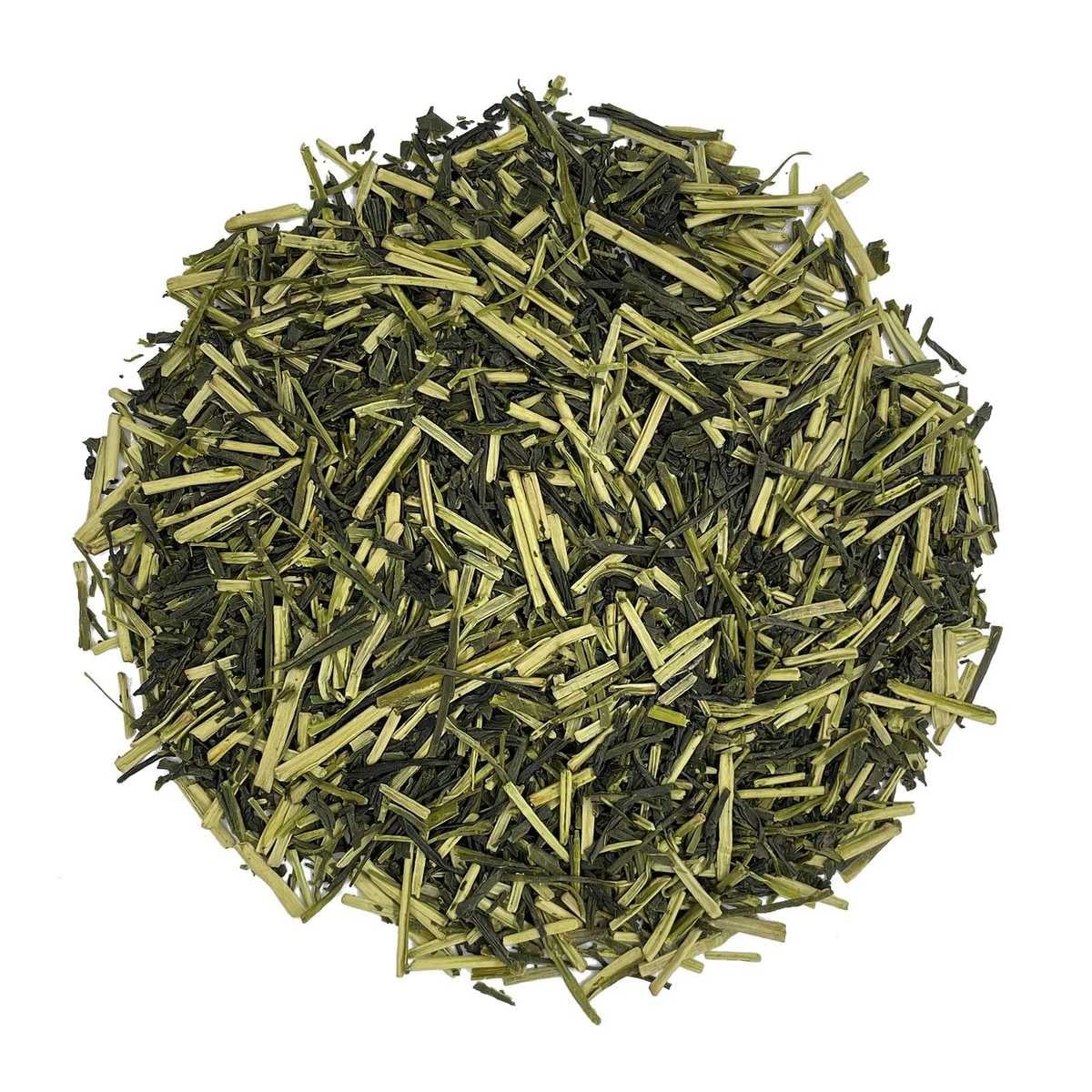
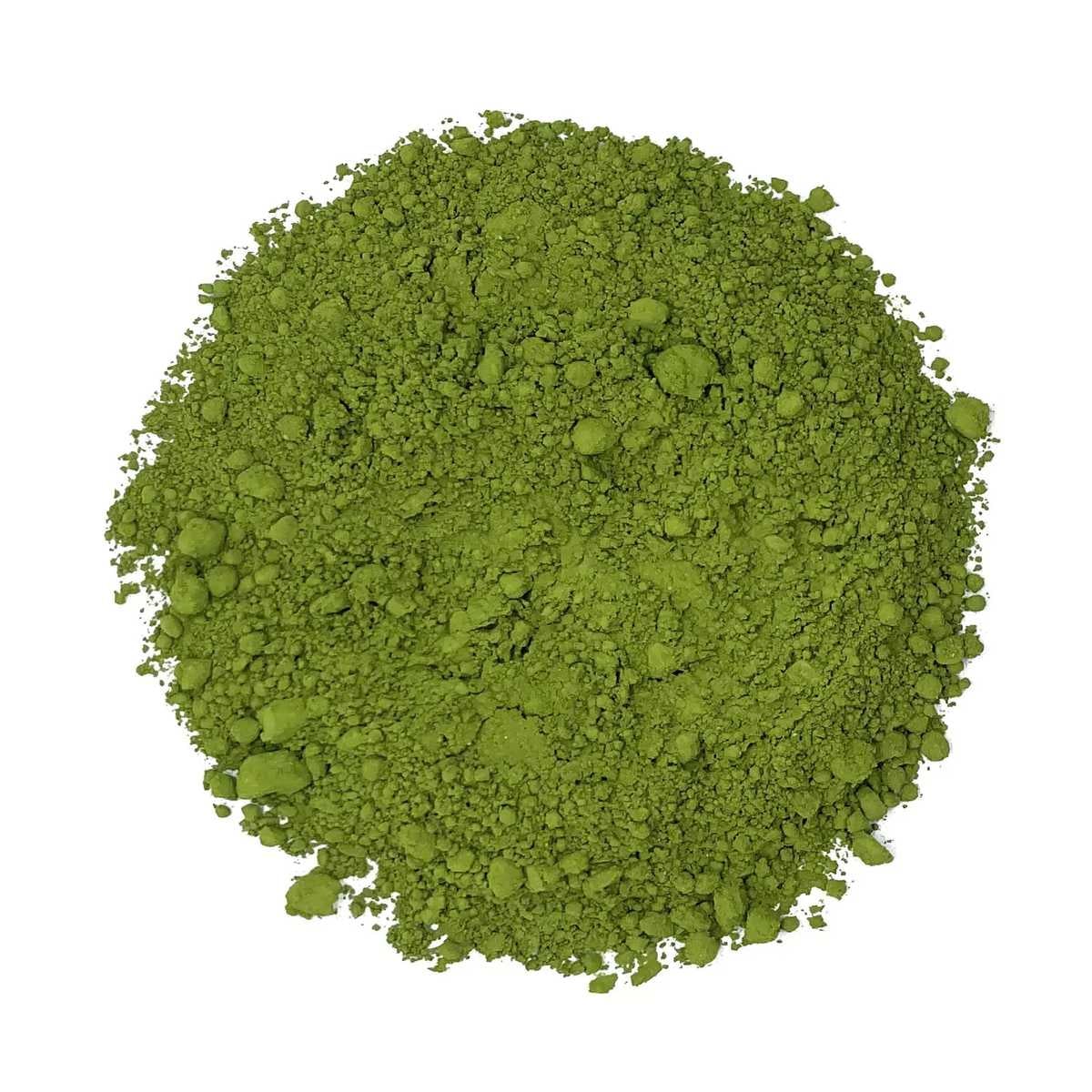
The regional speciality is shaded green tea. Before harvest, the bushes are covered for about three weeks with mats or cloth, reducing the incoming light: the leaf increases its amino-acid content (especially L-theanine) and reduces bitter catechins, resulting in a smooth umami taste. The shaded harvest yields gyokuro (leaf) and tencha, which is ground into powder - matcha (抹茶); sencha is made from the unshaded harvest. Cultivars such as Samidori (さみどり), Gokou (ごこう) and Asahi (あさひ) are grown for these teas. Uji is one of the small-volume yet most prestigious tea areas of Japan.