Kenya is a young country from the point of view of tea history, but today the largest tea producer in Africa and one of the largest in the world. The first tea plants were brought here from India's Assam in 1903 by the British planter Colonel Hugh MacKenzie, and the first commercial plantations arose in 1924, when the Brooke Bond company established gardens in the Kericho region.
Kenyan tea grows mainly in high-mountain areas 1,500 - 2,700 m above sea level - on the slopes around Kericho, in the Nandi Hills, in the Kisii region and around the sacred Mount Kenya. The country has an equatorial location, large temperature swings between day and night, dense morning mist and volcanic soil rich in iron and potassium. Thanks to the KTDA (Kenya Tea Development Agency), more than 600,000 smallholder farmers cooperate; the country produces over 450,000 tonnes of tea a year and is the world's largest exporter of black tea for brands such as Lipton, Twinings and Yorkshire Tea.
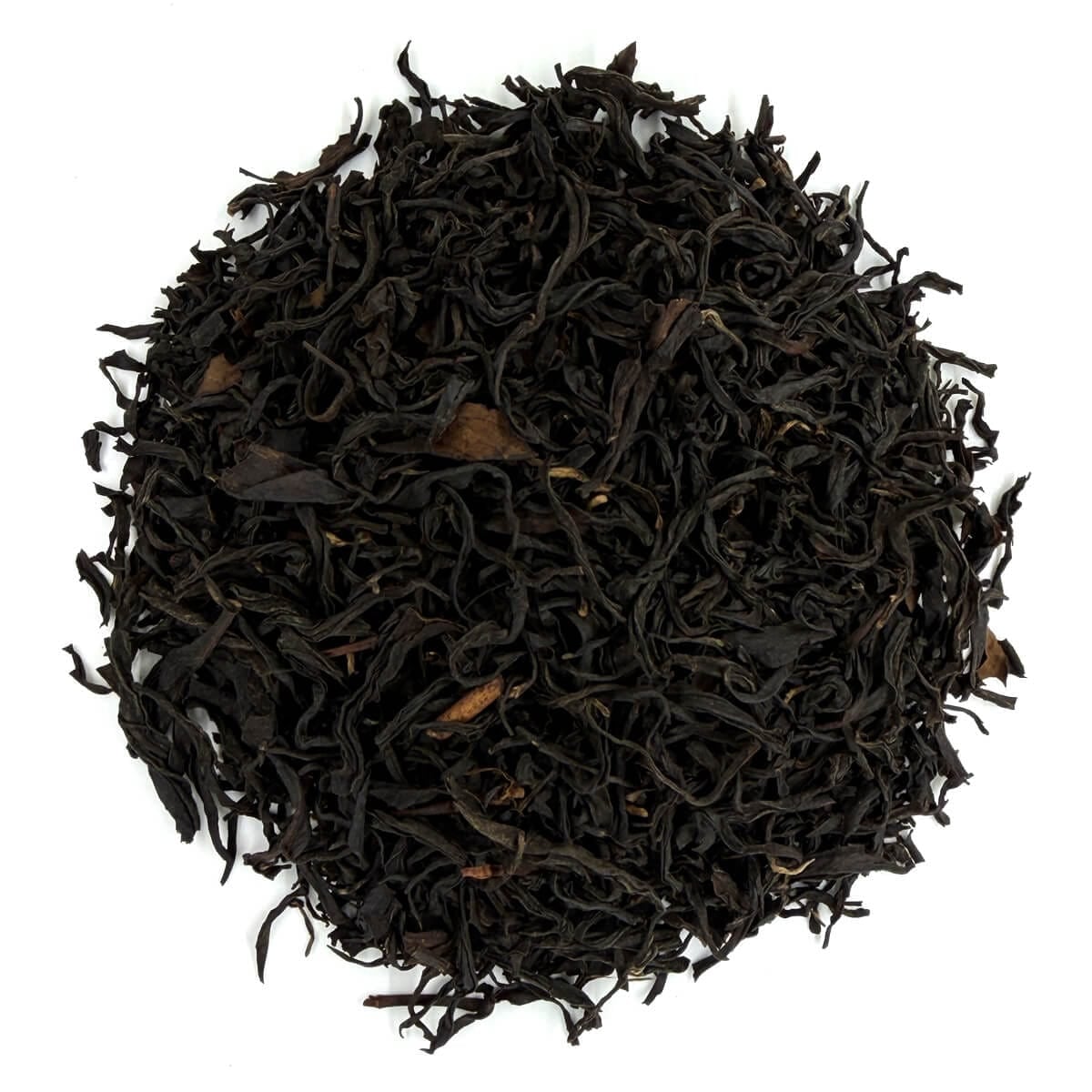
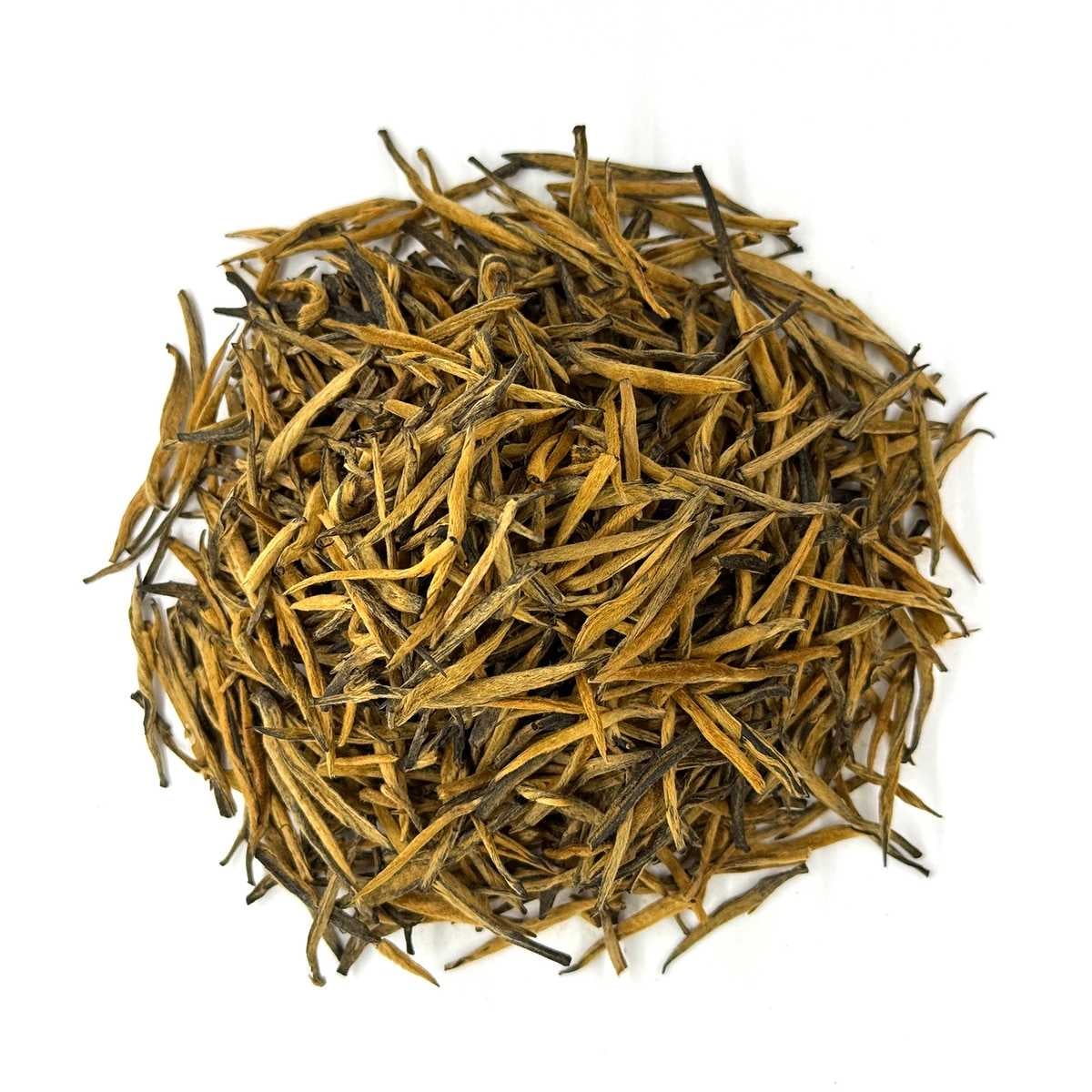
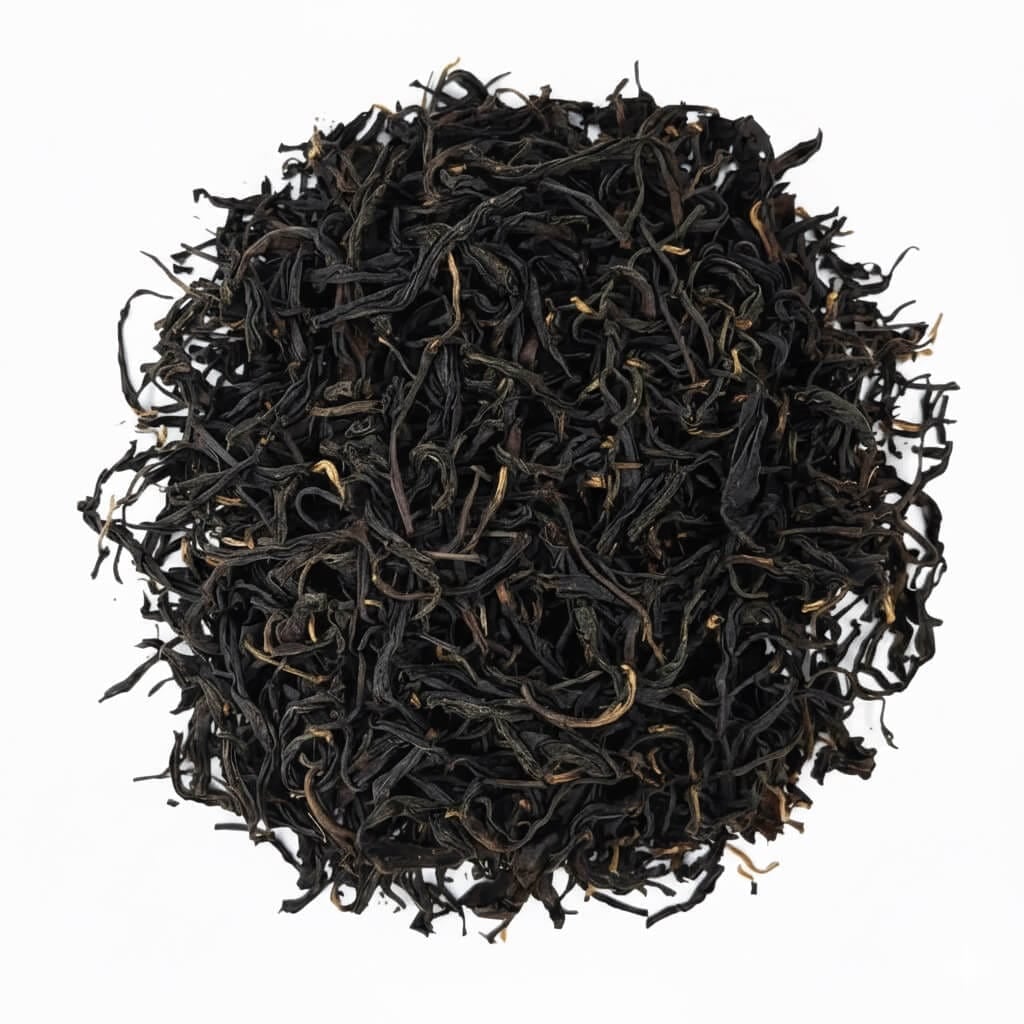
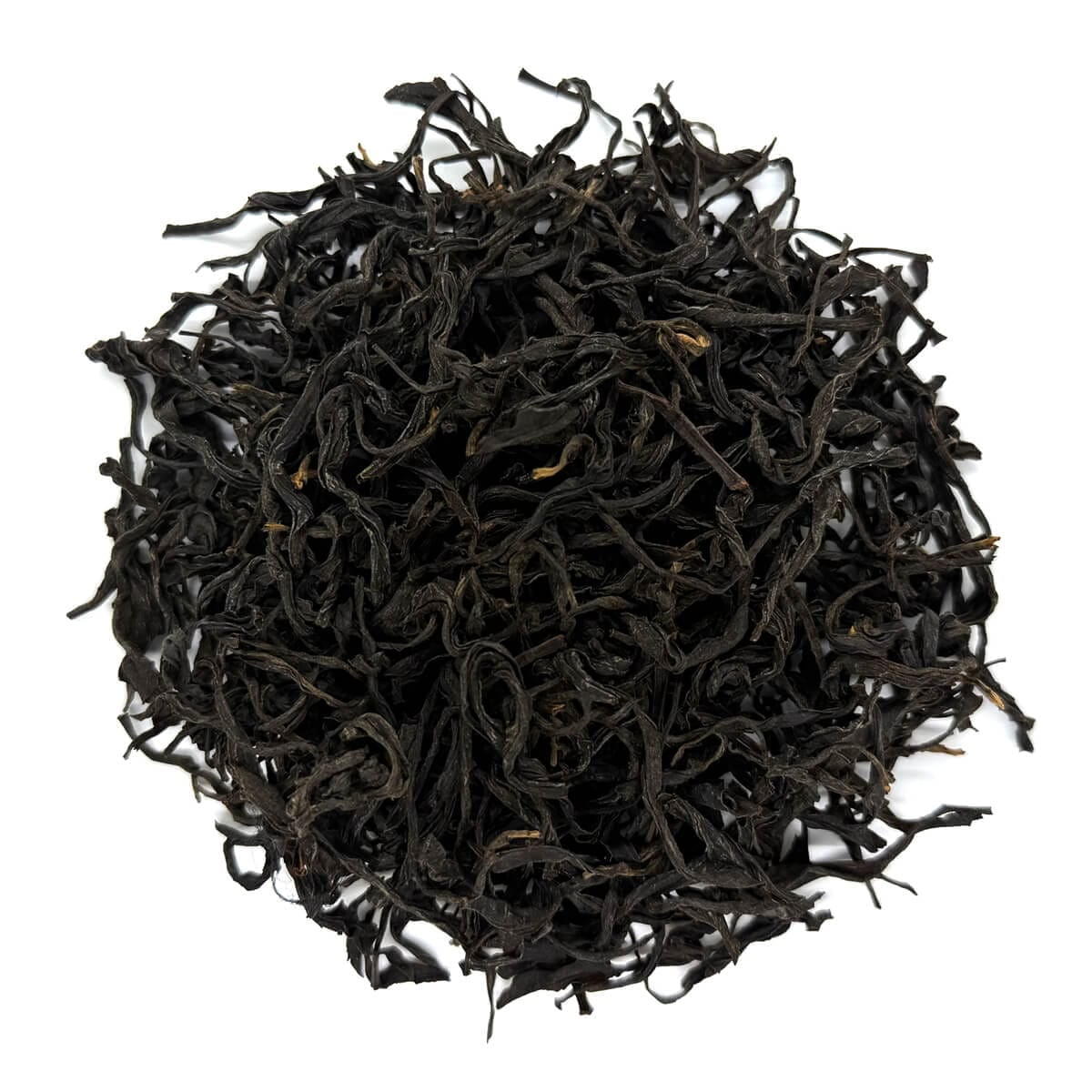
Over the past decade Kenya has also opened up to orthodox (whole-leaf) red teas - with hand-picking and slow drying for the specialty market. Rhino is one of their representatives (it got its name from the Rhino Sanctuary nature reserve at the foot of Mount Kenya). In the cup it offers a deep red-brown colour, a full round body and a liquor with notes of citrus, sweet oranges, meadow honey and gentle malt - warming, sweet and gently fruity-fresh, without the sharp astringency of Indian Assam.