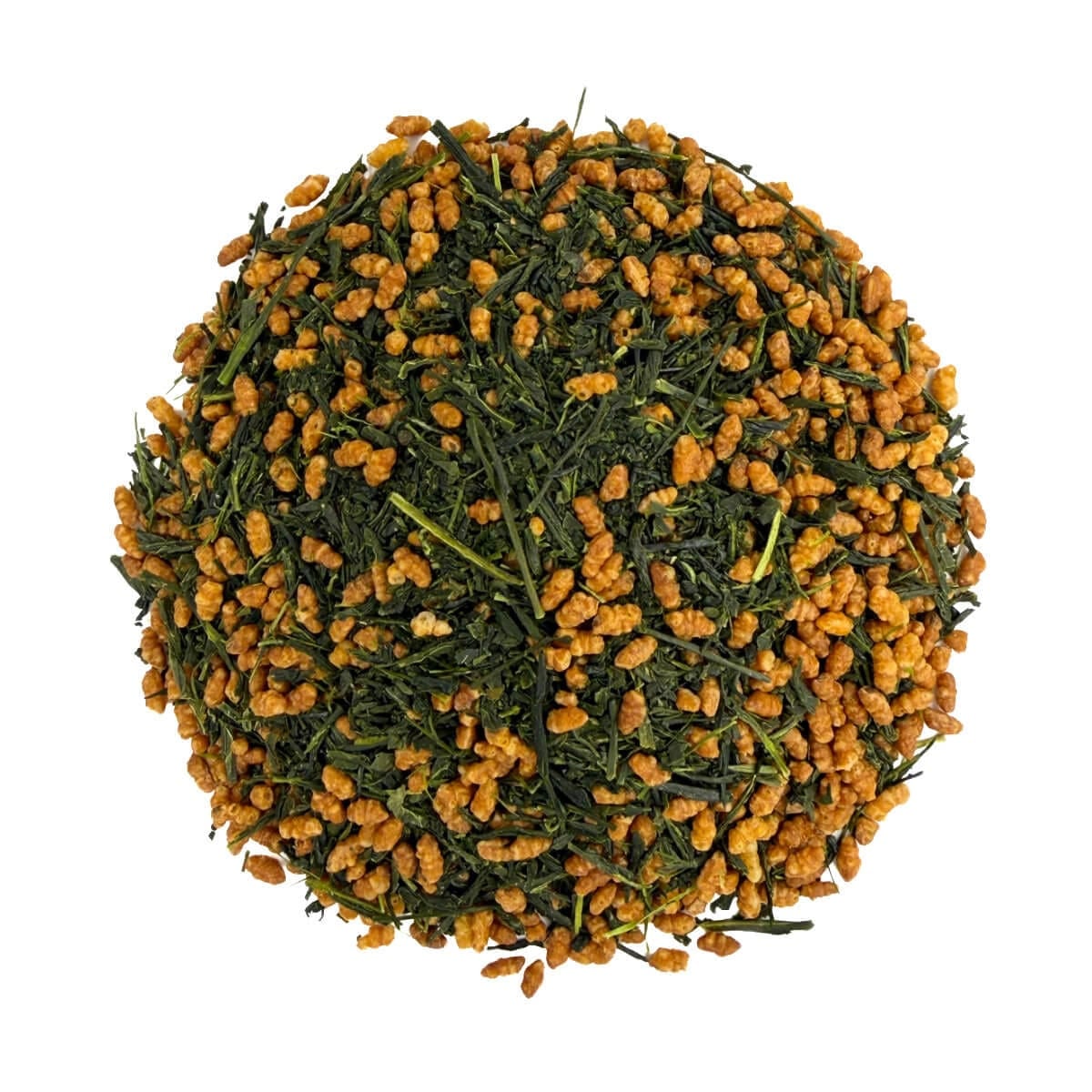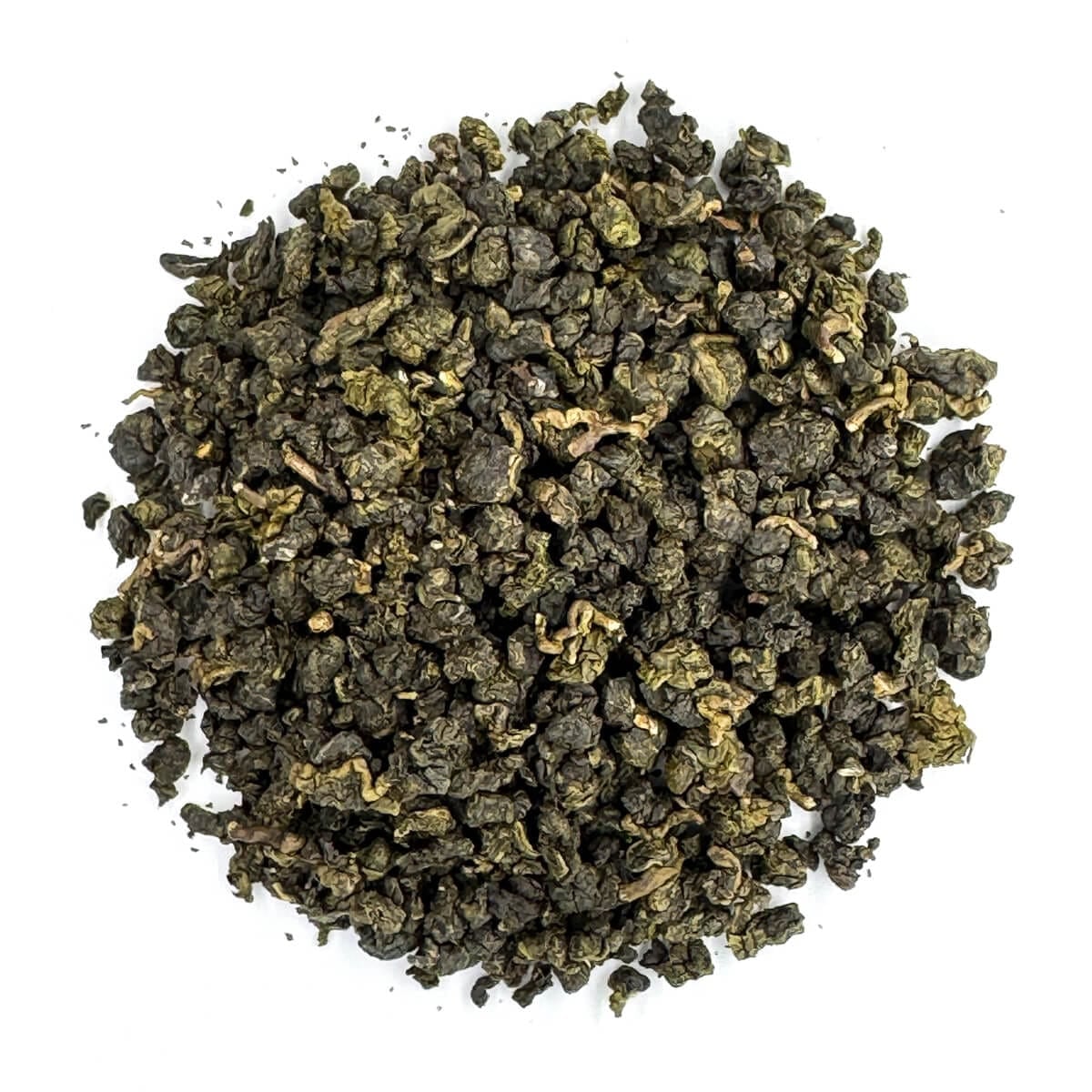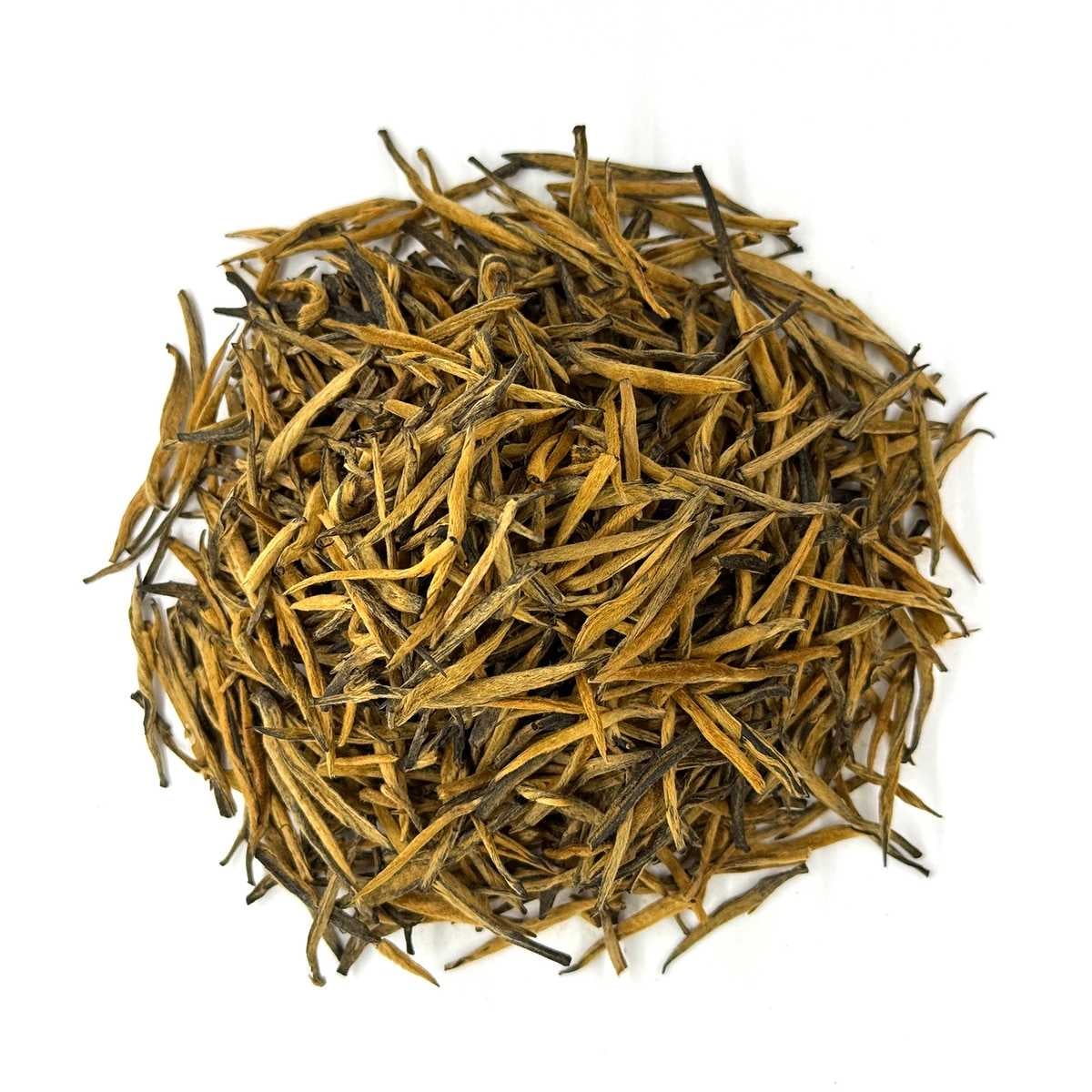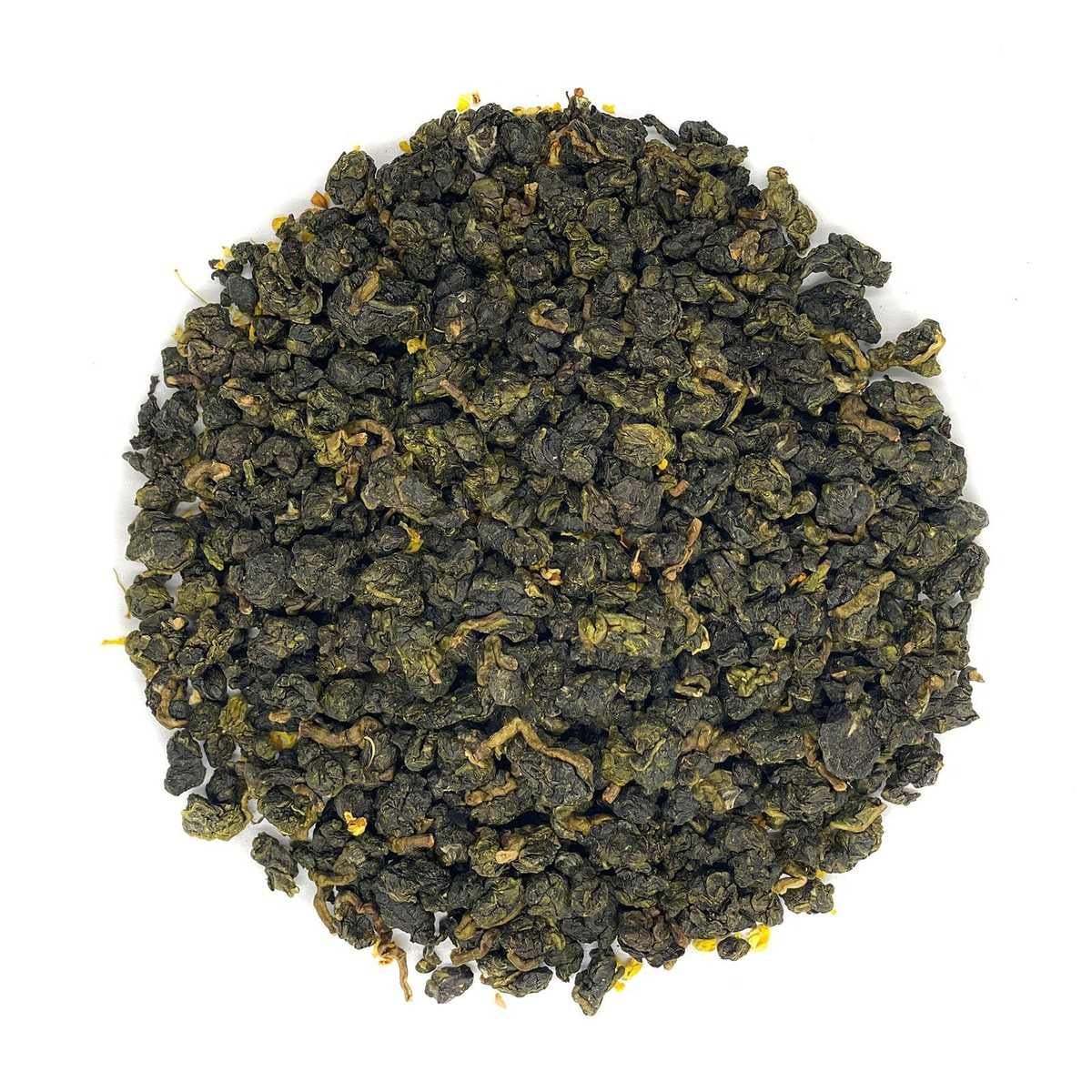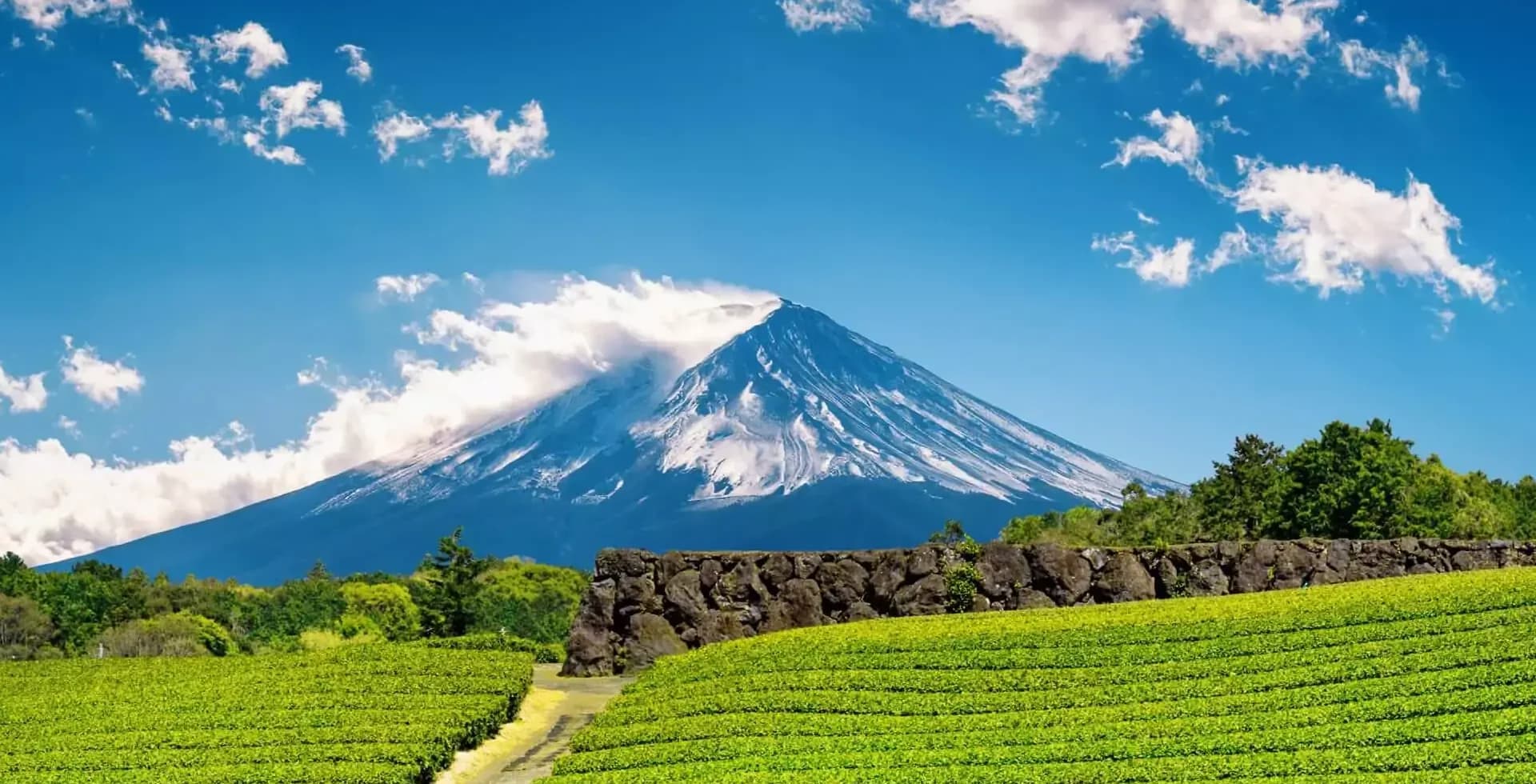
Shizuoka (静岡県) is a prefecture on the Pacific coast of central Japan, with Mount Fuji (富士山) on its northern border. It is Japan’s largest tea region - it produces about 40% of the national output and has shaped the Japanese tea industry since the 19th century. Rolling plateaux, a mild coastal climate and deep volcanic soil give Japanese green tea a distinctive freshness.
The cradle of Japanese tea
Tea has been grown in Shizuoka since at least 1244, when the Buddhist monk Shōichi Kokushi (聖一国師) brought the first seedlings from China and planted them by the Tōgenzō temple in the village of Ashikubo. A major expansion came during the Meiji period (1868 - 1912), when former samurai, after the abolition of the feudal system, began to cultivate the land - and the Makinohara Plateau (牧之原台地) became the largest tea plateau in Japan. It was in Shizuoka, in 1908, that Japan’s most important variety was born - Yabukita (やぶきた) - bred by the local tea grower Hikosaburō Sugiyama; today it makes up around 75% of Japanese tea production.
Fukamushi sencha - deep-steamed
Alongside classic sencha, Shizuoka is the flagship region of Fukamushi Sencha (深蒸し煎茶) - “deep-steamed” sencha with a gentler, smoother taste without astringency, coming mainly from the Kakegawa area (掛川). Besides Yabukita, local varieties such as Surugawase, Zairai (native seedlings) and experimental cultivars are also grown here - and in recent years an increasingly highly valued trend of organic, pesticide-free production has been added.
Wakocha - Japanese black tea
A new chapter is Wakocha (和紅茶) - Japanese red (“black”) tea. It is made from the same plantations as sencha, but with different processing: a longer oxidation gives a honeyed sweetness, a gentle tannin and a warming harmony without the astringency of Indian Assams. The main cultivar is Benifuki (べにふうき), but experiments are also under way with Yabukita and Surugawase. In the village of Isagawa several artisanal batches are made, some of which even use the natural nibbling of the leaves by small leafhoppers - the plant’s enzymatic reaction to the bite creates a distinctive muscatel note similar to Taiwanese Oriental Beauty.
From deep-steamed sencha to honeyed wakocha - Shizuoka pushes Japanese tea-making beyond the boundaries of the traditional green canon. 🍃