Coffee wakes us up, but two hours later the energy fades, irritability sets in and we reach for another cup. Many people know this merry-go-round. And that is precisely why more and more of them are discovering tea - not as a weaker version of coffee, but as its more balanced, more pleasant alternative.
Tea can provide energy, support concentration and offer a more stable effect throughout the whole day. If you have tried it and “felt nothing”, the problem was most likely not with tea as such - but with its quality. But more on that later.
Why tea works differently from coffee
The main difference is not only in taste, but in how these drinks act on us. Coffee comes on quickly and intensely. Tea has a gentler onset, but its effect tends to be smoother and longer.
This is thanks to the combination of caffeine and L-theanine - an amino acid found naturally in tea leaves. L-theanine supports mental well-being and concentration, and combined with caffeine it creates a state of alertness without unnecessary tension. Many people therefore describe tea energy as “cleaner” - not nervous, not hectic, just calm and functional.
Why people switch from coffee to tea
There can be several reasons, and they often combine:
- A less irritated stomach - gentler on digestion than strong coffee on an empty stomach.
- A gentler onset of energy without a sharp kick and the subsequent crash.
- Less nervousness and inner restlessness during the day.
- More stable concentration during work or study.
- A more pleasant, more mindful ritual - a moment of slowing down instead of a quick cup.
- A wider palette of flavours and effects depending on mood and situation.
For some, tea is a way to cut out coffee entirely. Another keeps their morning espresso but switches to tea during the day to avoid further caffeine swings. Even such a partial change can bring a noticeable difference.
Which teas are the best replacement for coffee
Not every tea invigorates equally. If you are looking for an alternative to coffee, reach for the types that naturally contain more caffeine or have a stronger effect.
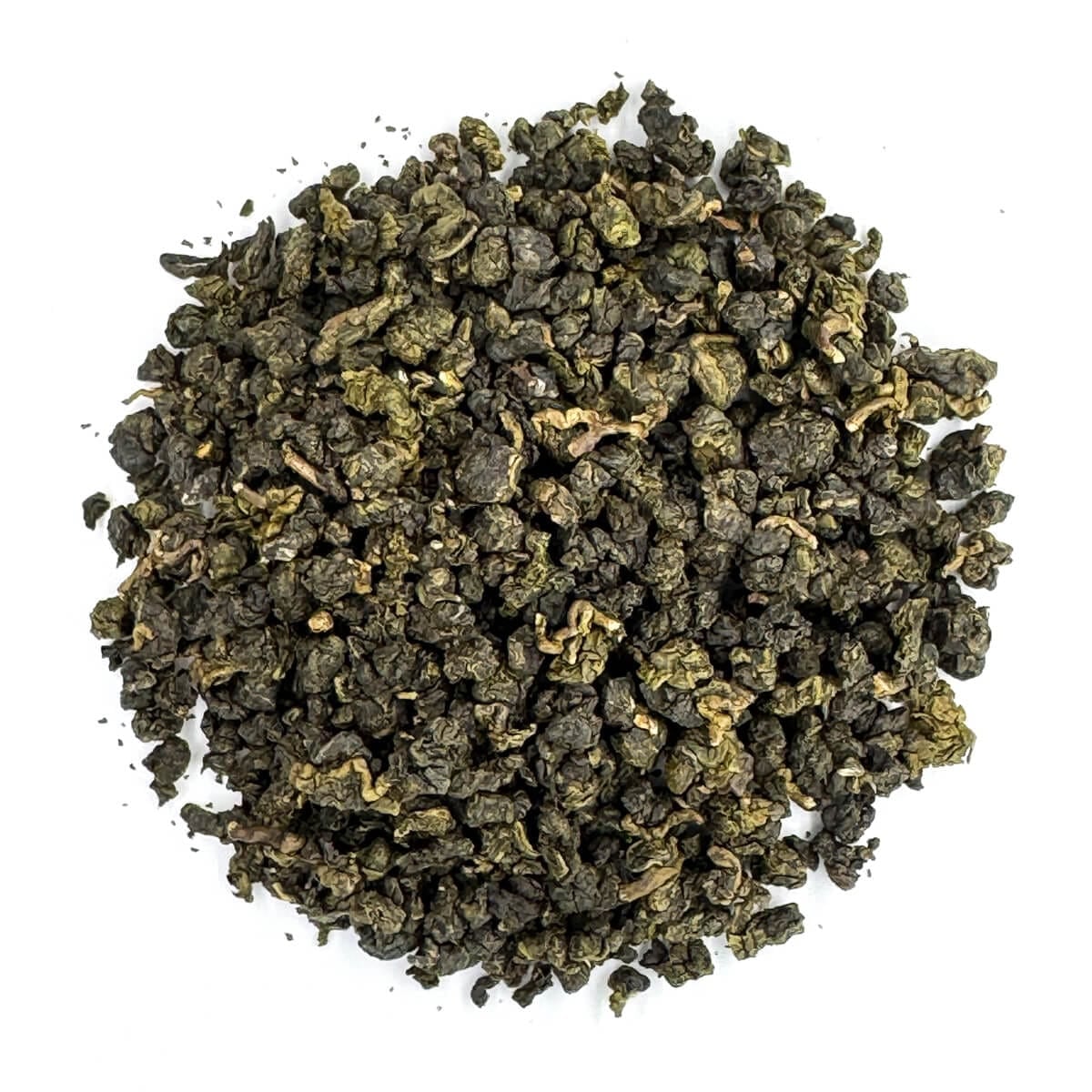
The classic choice for those who want to start more gently. It invigorates but usually does not burden the body as much as strong coffee - ideal for the morning.
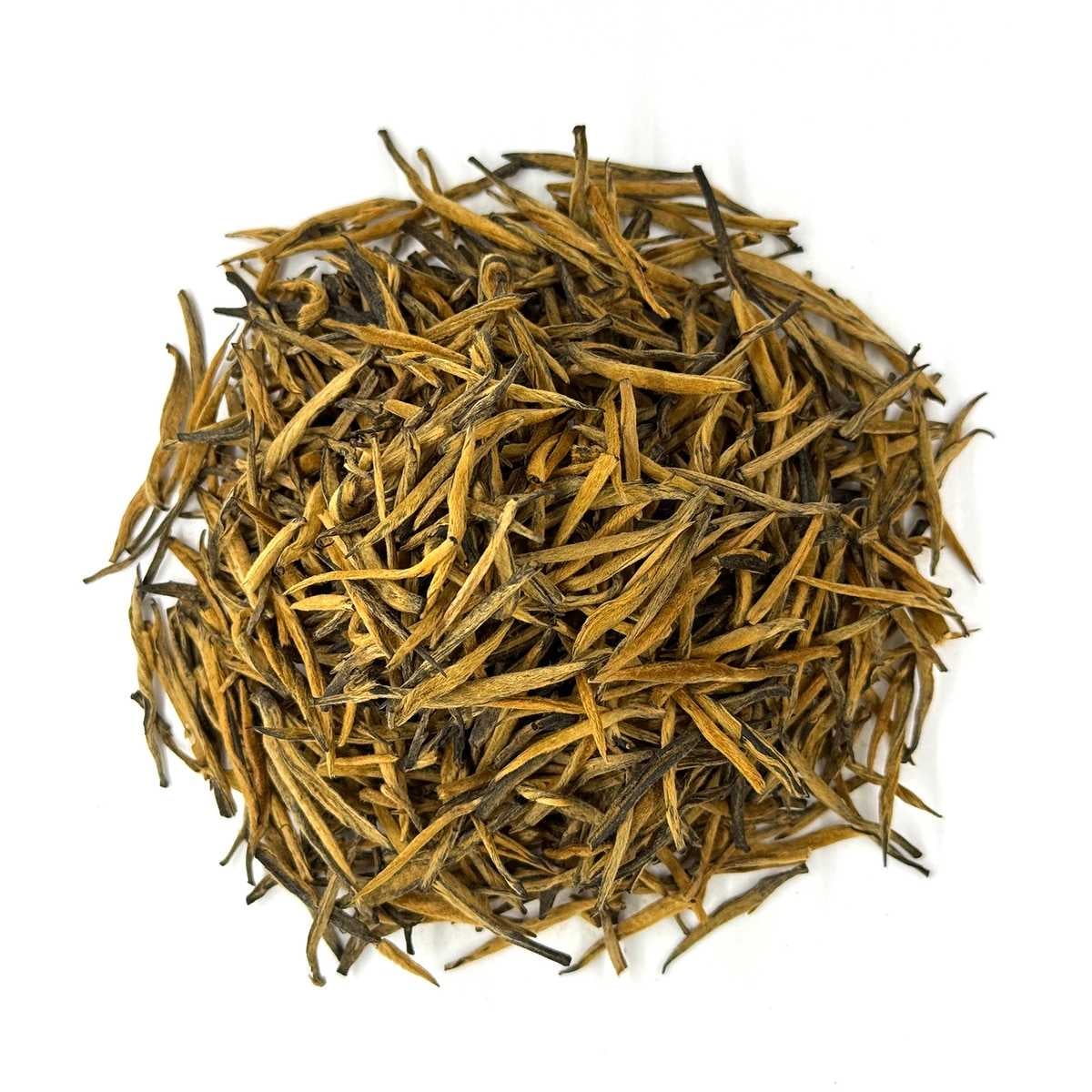
The strongest classic teas. A fuller taste and a more pronounced body - the closest to the coffee feeling of a morning start, but more refined.
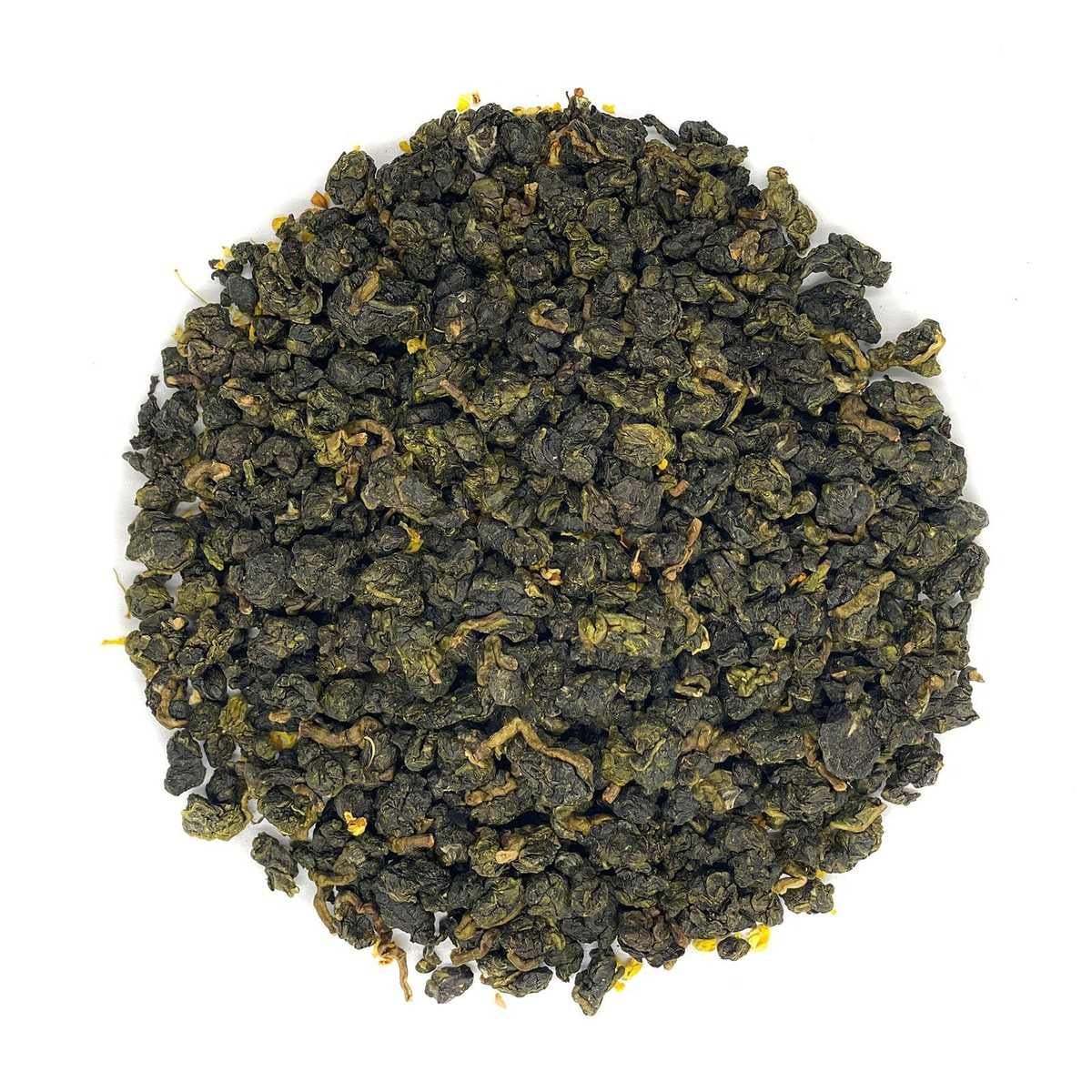
It stands between green and red tea. Flavour complexity and a balanced effect - energy without excessive sharpness for long afternoons.
Why supermarket tea won’t replace coffee
Here we come to a point that is crucial and rarely talked about. Many people say that “tea doesn’t wake them up” and go back to coffee. But usually that is not the truth about tea - it is the truth about the specific tea they drank.
Ordinary teas from commercial retail chains are usually in a completely different quality league than honest loose-leaf or fine teas. In cheap mass production, broken pieces of leaf, fine dust or leftover material remaining after the processing of higher-quality raw material are often used. Such a tea steeps quickly and may have a strong colour, but its taste tends to be flat and its effect weak and unbalanced.
Origin, the method of harvesting and processing also matter. A quality tea retains more of the natural substances that influence both taste and overall effect - including caffeine and L-theanine. That is precisely why it can be invigorating yet clean and harmonious. In average commercial teas these substances are simply not present in sufficient amounts, the result is bland, and one wonders why they feel nothing.
So the difference is not only between tea and coffee - but between an average and a quality tea. If tea is really to work as an alternative to coffee, it depends on the quality of the leaf, freshness, the method of processing and proper preparation. And that is where the huge difference shows between an anonymous bag from the shelf and an honest tea grown and processed with an emphasis on both taste and effect.
How to switch from coffee to tea without stress
If you drink several cups of coffee a day, too sudden a change can bring fatigue, headaches or irritability. That is why it tends to be more practical to go gradually:
- 1Keep your morning coffee for now
- 2Replace your second or third coffee of the day with green or red tea
- 3Try matcha on days when you need higher performance
- 4Notice how your body, mood and concentration respond
- 5Gradually build a new rhythm that feels natural to you
Such a transition tends to be more sustainable and pleasant than a radical change from one day to the next.
Tea as a mindful ritual
One of the greatest advantages of tea is that it changes the pace. Coffee is often associated with speed - drink it and move on. Tea, on the other hand, invites a moment of slowing down. The preparation itself can be a small ritual that helps you tune into the day, clear your head and consciously focus on what lies ahead of you.
That is precisely why many people do not stay with tea only for the caffeine. They stay with it because of how it makes them feel.
Discover energy that is in balance
If you are thinking about what to replace coffee with, tea is one of the most natural options. It offers a boost, a flavour experience and space to slow down. Whether you reach for matcha, green or red tea, you can discover a new way to have energy without the swings and without unnecessary tension.
At Tea Mates, we believe that tea is not just a drink. It is a way to give yourself more balance, focus and well-being during the day. And perhaps a better alternative to coffee than you expected - if you reach for the right one.