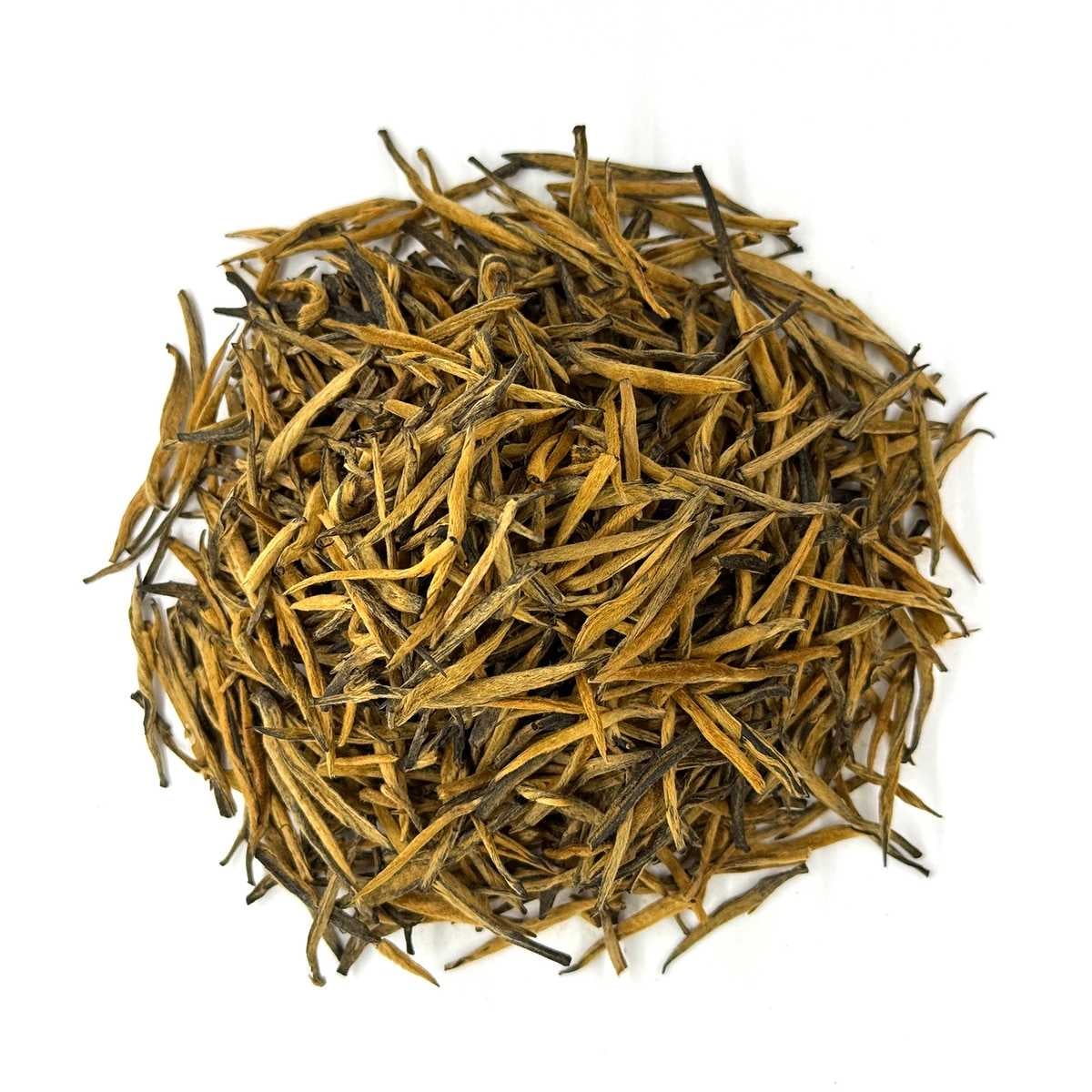
Red tea - known in the Western world as black - is fully oxidised. That is precisely why it has a full body, a rich colour and, unlike green tea, can handle hotter water without turning bitter. This name covers a wide palette of flavours: from a delicate, muscatel Darjeeling through a strong, malty Assam to a honeyed Chinese Dian Hong or a smoky Lapsang Souchong. How to prepare red tea to the fullest varies slightly depending on where it comes from.
Why hotter water than for green tea
Oxidation transforms most of the compounds in the leaf that cause bitterness in green tea. Red tea therefore requires hotter water (around 90 °C) for its sweetness, body and aroma to fully develop. More delicate teas (for example a Darjeeling first flush) are more sensitive and prefer the lower end of the range, while a robust Assam or Dian Hong can happily take a higher one.
Chinese red teas - Gong Fu Cha
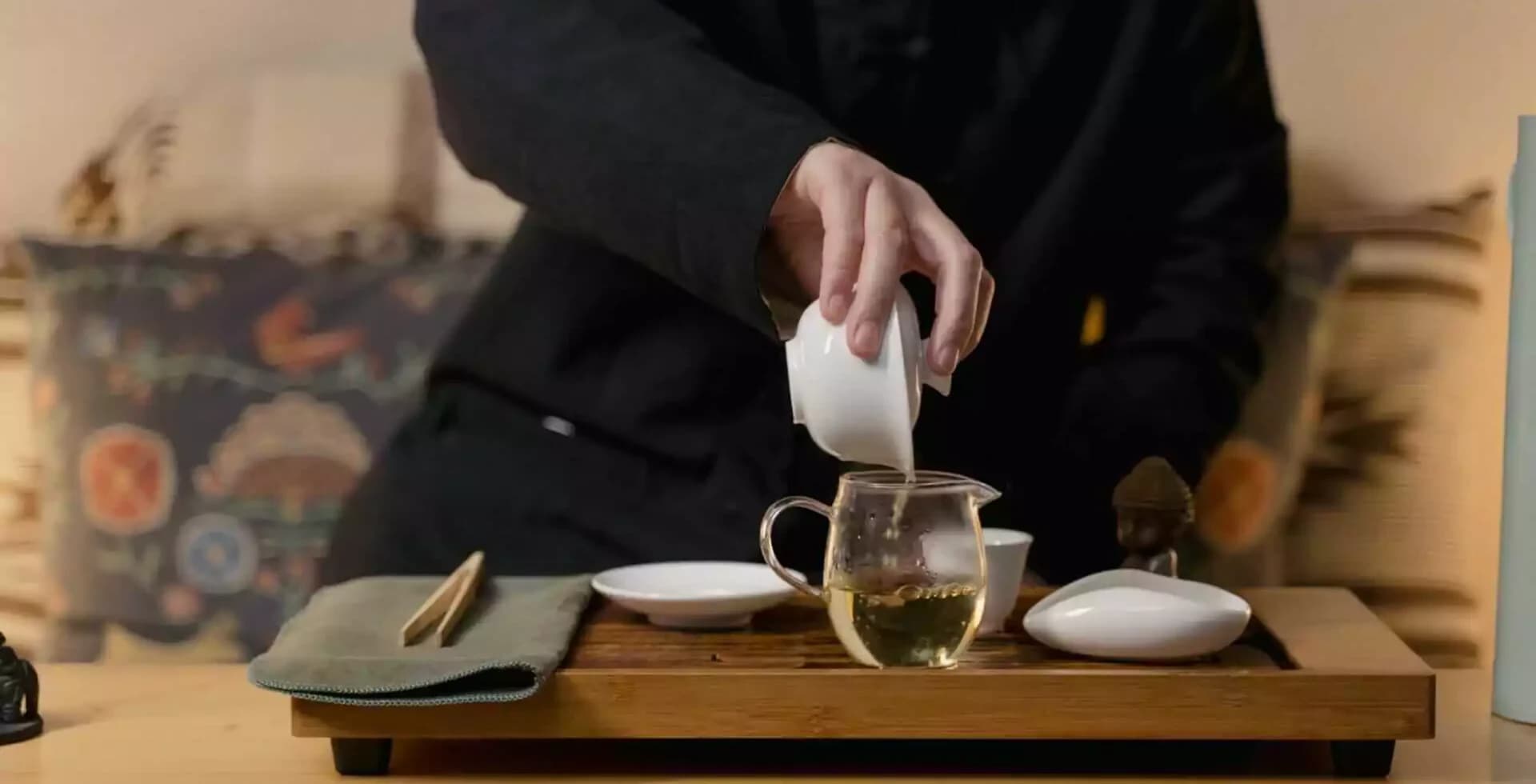
Chinese red teas such as Dian Hong or Lapsang Souchong unfold beautifully with the traditional Gong Fu Cha technique - short, repeated infusions that draw the tea out layer by layer.
Put 5 g of tea into a 100 ml gaiwan and pour in water cooled to 90 °C. Steep the first infusion for 45 seconds; for the following infusions, adjust the time to the intensity and taste of the tea.
Classic Indian and Ceylon teas (Darjeeling, Assam) are traditionally prepared in a larger volume. Cool the boiled water to 90 °C, pour it over 5 g of tea and steep for 2-3 minutes for a pleasant, balanced taste.
Red tea can be prepared cold too - the result is a sweet, smooth brew with fruity notes and no astringency. Pour cold water over 5 g of tea and leave it in the fridge for at least 12 hours.
Red tea is grateful and forgiving - experiment with different times and temperatures until you find your ideal cup. 🍵