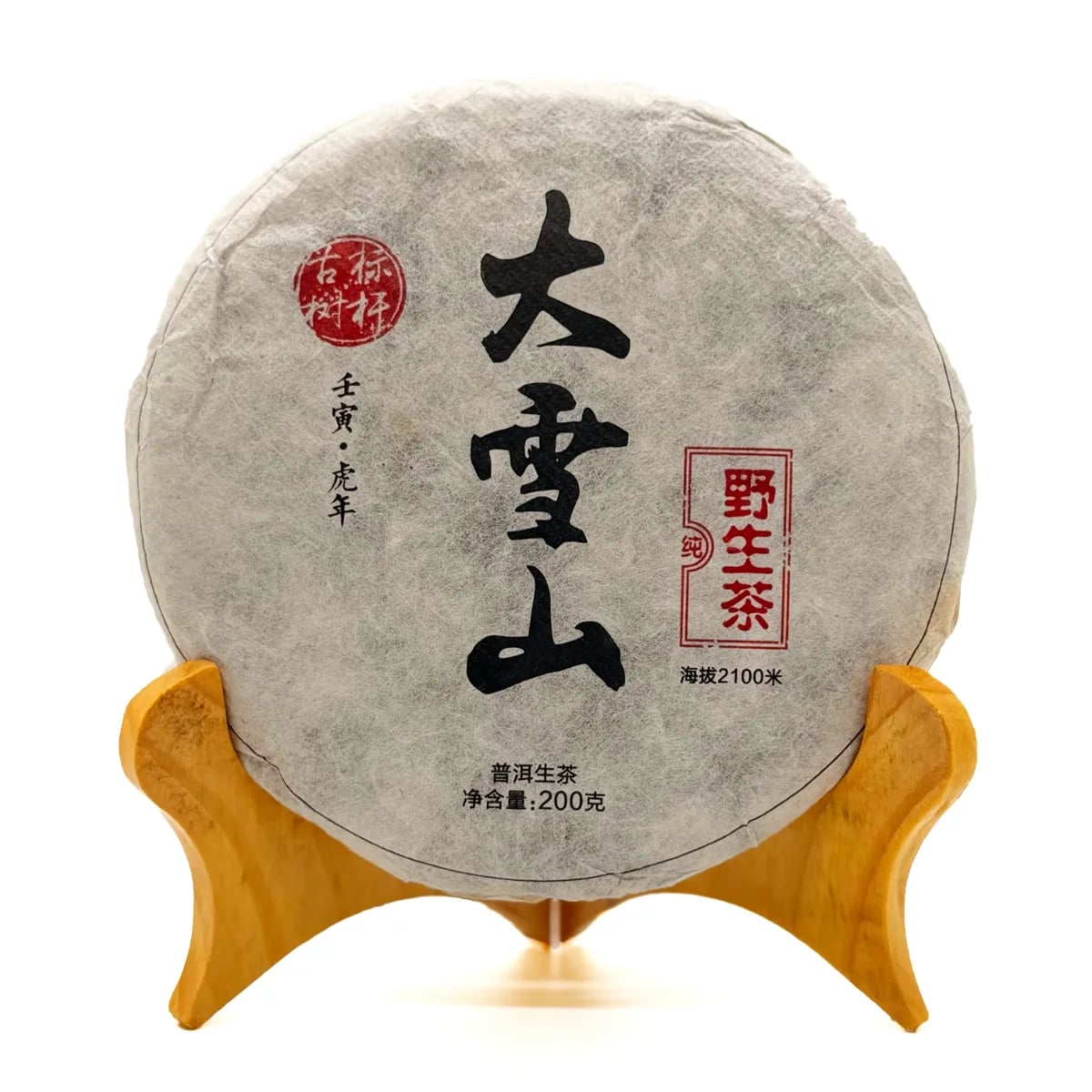
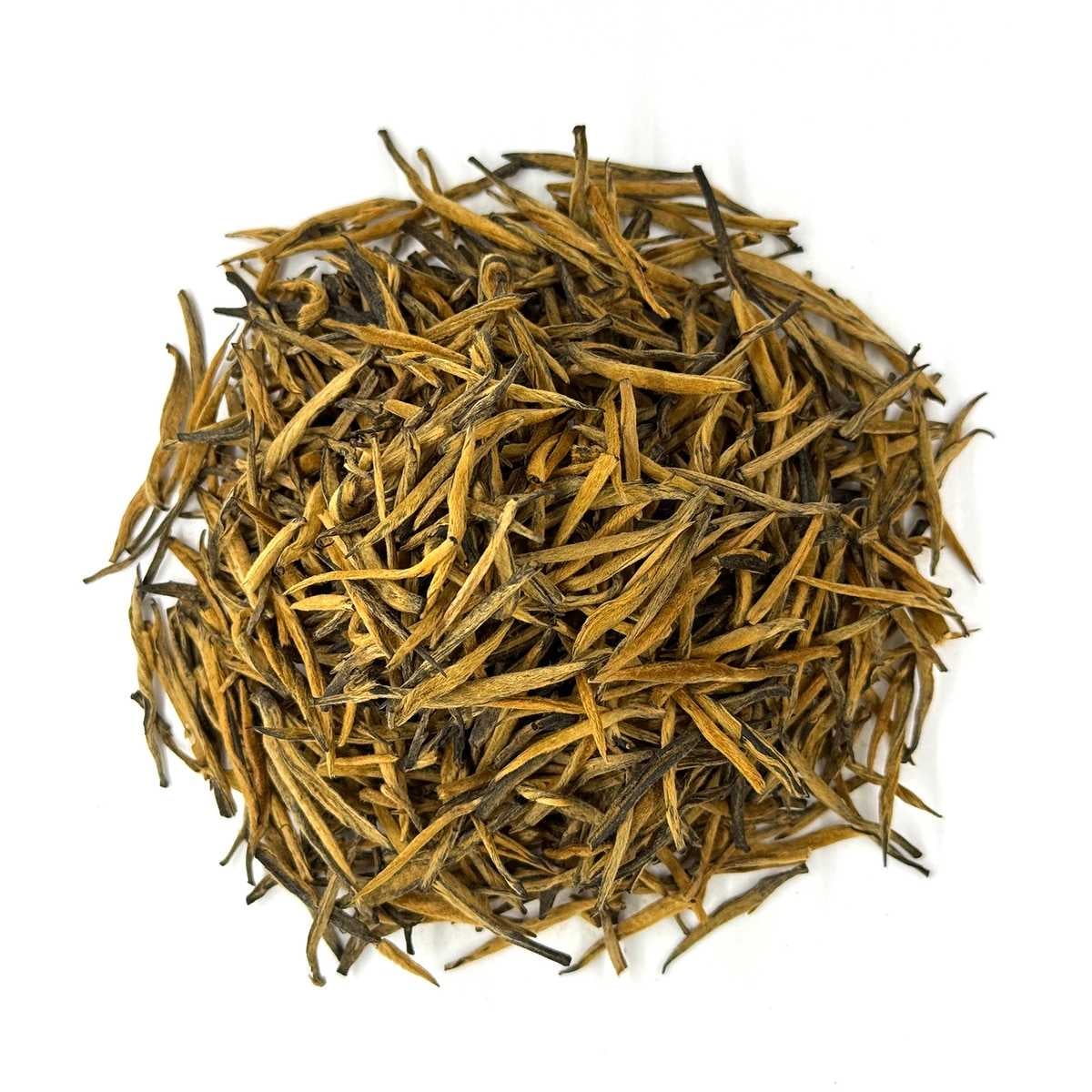
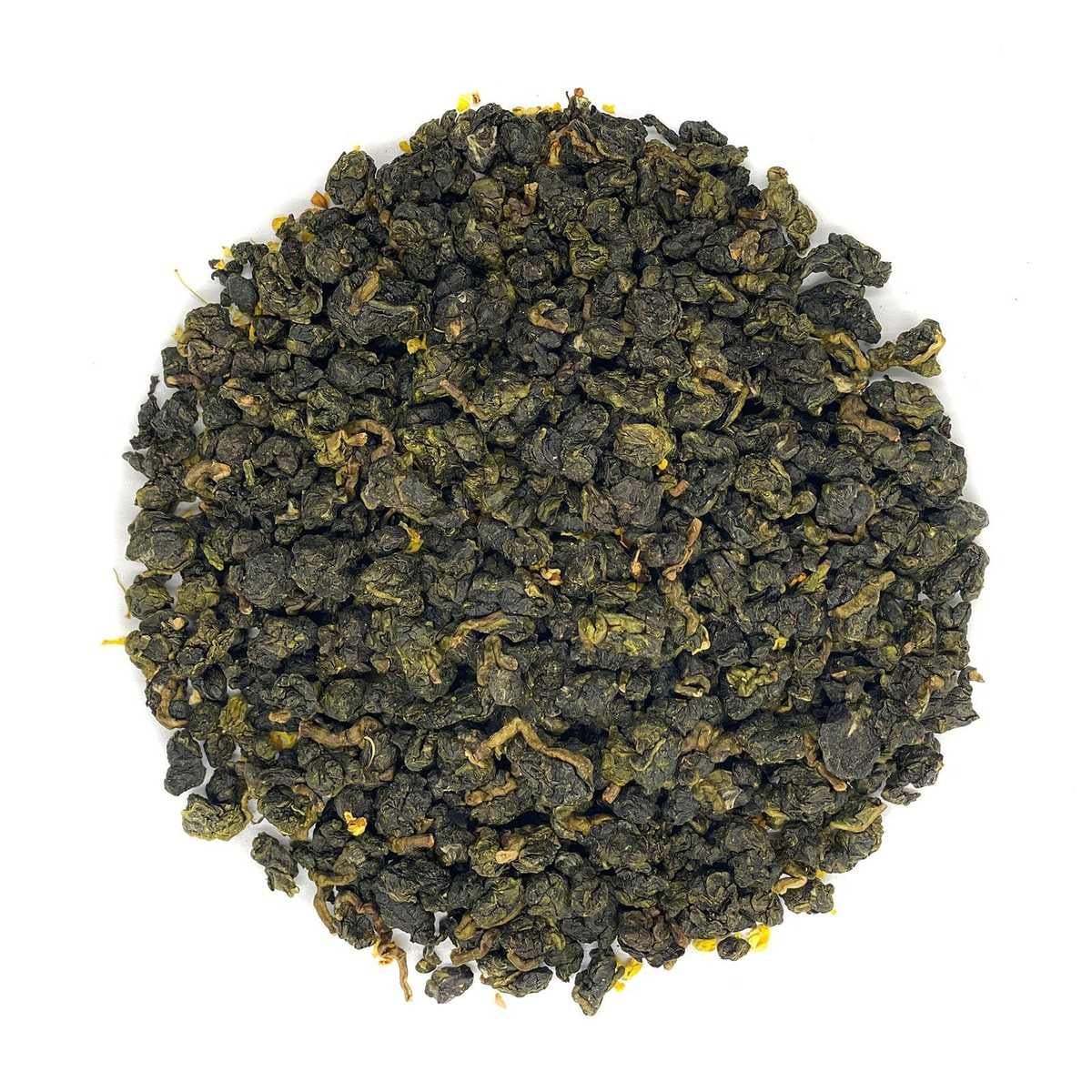
Menghai (勐海縣) is a county in Xishuangbanna prefecture (西雙版納), in the south of China's Yunnan province, right on the border with Myanmar. The region is home to several ethnic minorities - especially the Dai, Hani and Bulang (布朗族), who are traditional tea growers and live mostly on the slopes of Bulang Mountain (布朗山). Thanks to the tropical mountain climate, dense humidity and fertile soil, some of the world's most important tea-tree forests arose in Menghai - wild-growing trees hundreds to over a thousand years old, so-called gǔ shù (古樹).
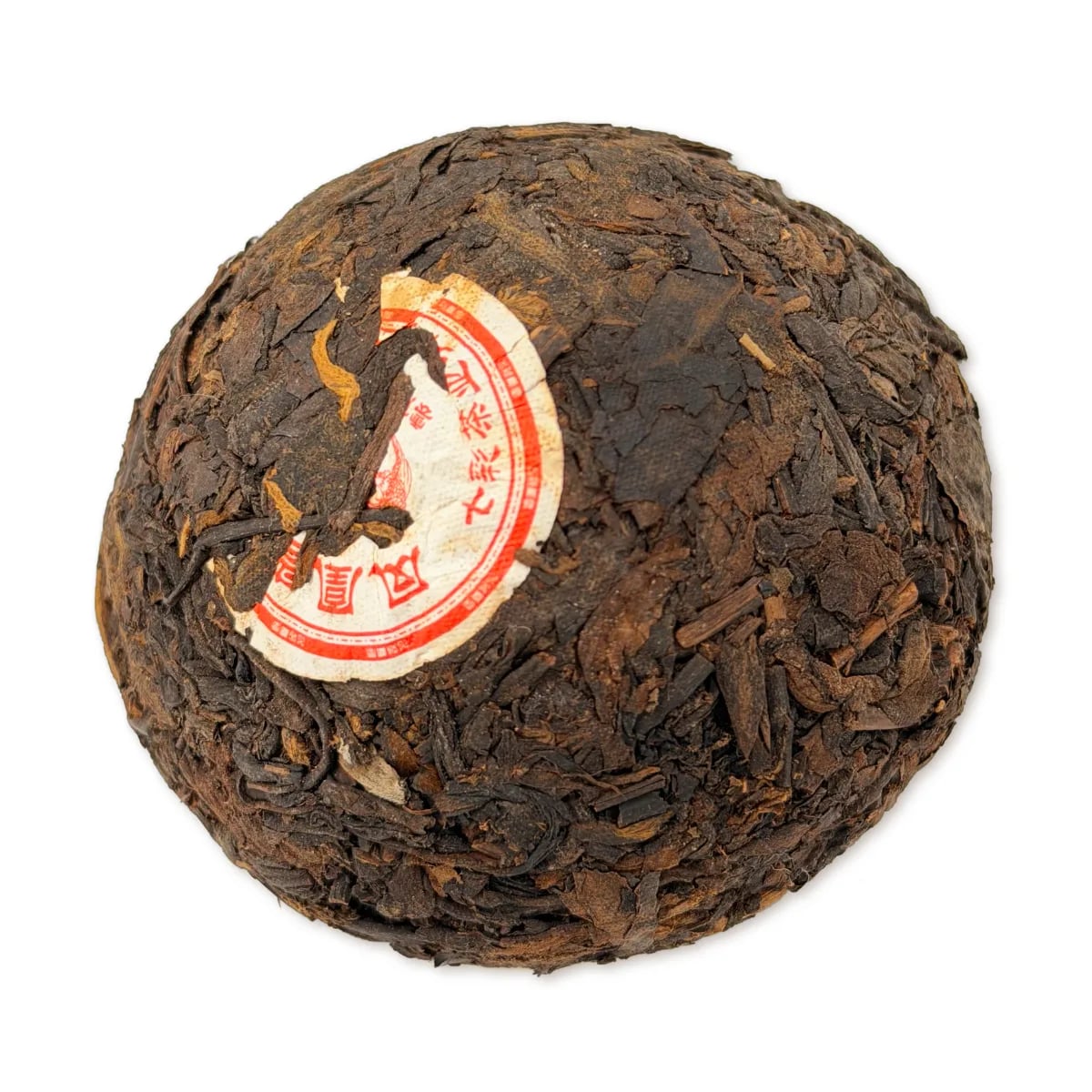
Menghai is the cradle of modern pu-erh production. In 1940 the Menghai Tea Factory (勐海茶廠) was founded here - together with the Kunming Tea Factory (1938) and the Xiaguan Tea Factory (1941) it forms the historic “big three” of Yunnan's state tea factories. The wò duī (渥堆) technique - controlled microbial fermentation that gave rise to shú (熟, “ripe”) pu-erh - was developed in 1973 at the Kunming Tea Factory. Menghai adopted it shortly afterwards and became one of the largest producers of modern shou pu-erh.
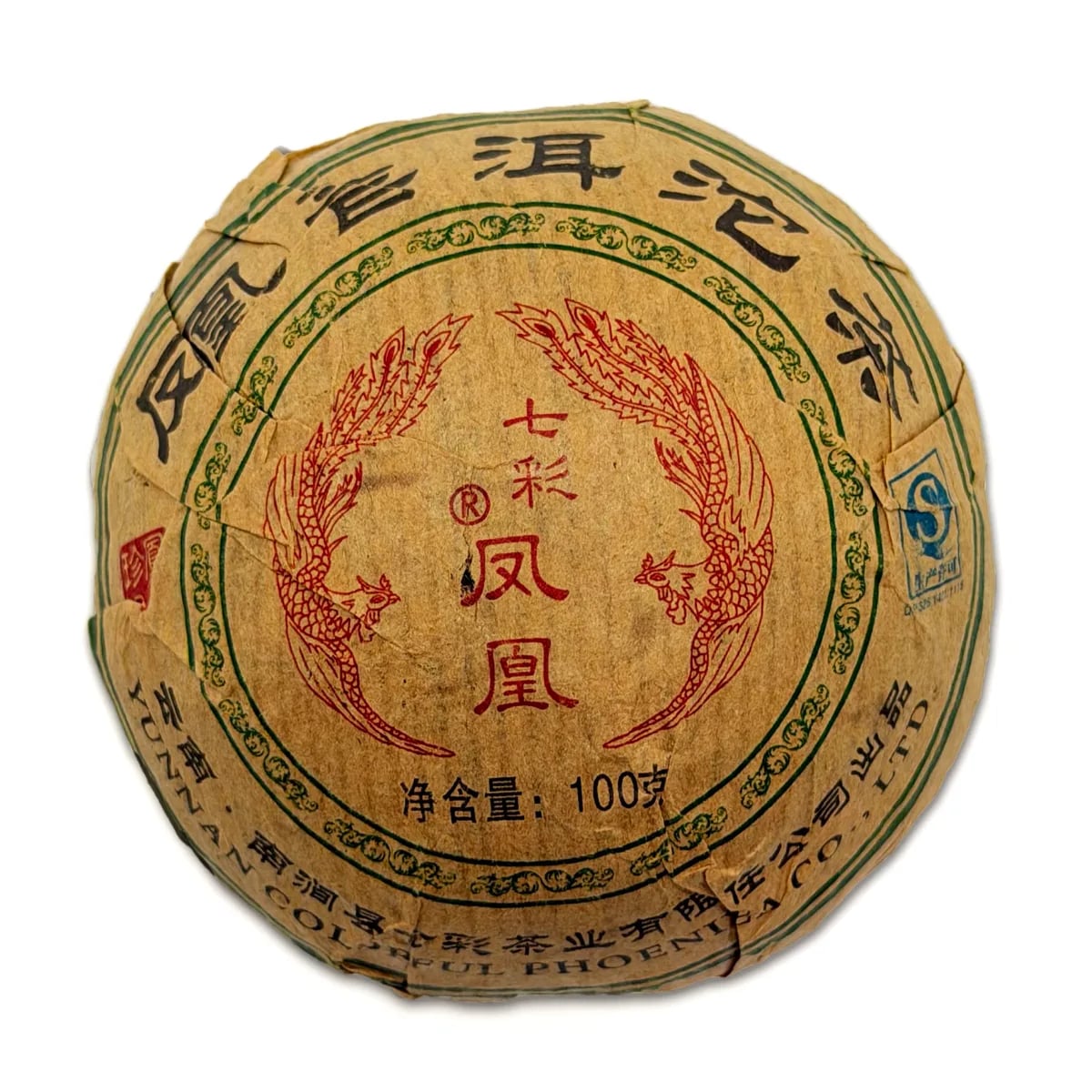
The Menghai Tea Factory today produces under the famous Dayi (大益) brand - including the legendary recipes 7542 (raw sheng, created in 1975) and 7572 (ripe shou), which are still made today and have become a standard of the pu-erh world. Alongside factory production, the most respected single-origin pu-erh areas remain in Menghai: Bulang Mountain, Nannuo Shan (南糯山) and Bada Shan (巴達山) - each with its own flavour signature.
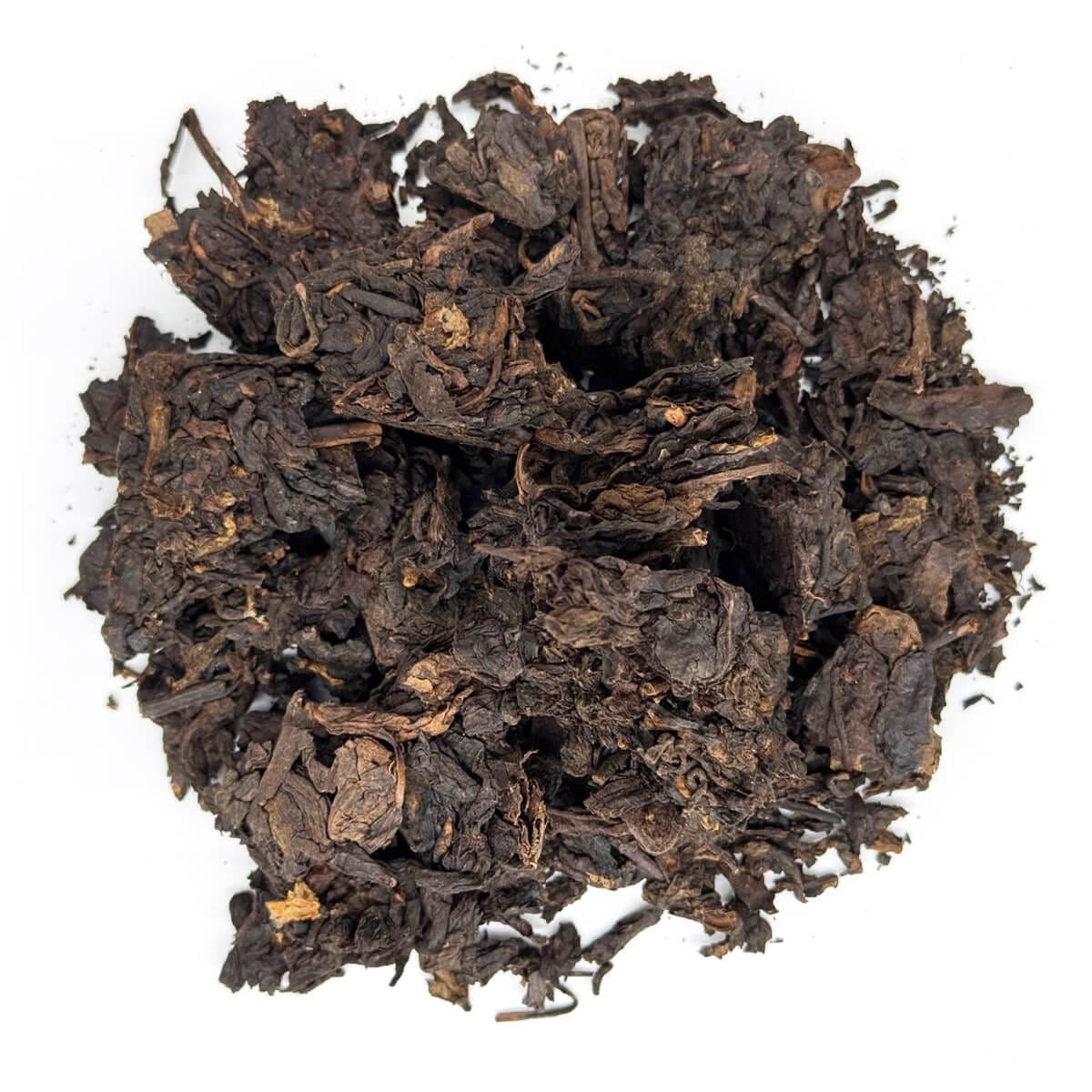
In the cup, pu-erh from Menghai offers a rich body, a deep colour and a flavour spectrum from earthy and nutty notes in the ripe (shú) to fruity, honeyed and oaky notes in the raw (shēng), which age over time and change their character. It is precisely this possibility of long ageing - often over decades - that makes pu-erh a unique segment of the tea world and Menghai its geographic heart.