Mei Shan (梅山, “Plum Mountain”) is a mountain district on the northwestern edge of the Alishan (阿里山) tea area in Chiayi County (嘉義), in the southwestern part of central Taiwan. The main tea villages - Ruili (瑞里) and Ruifeng (瑞峰) - lie at altitudes of around 1,000 - 1,400 m on steep slopes above the valley of the Puzi river. The area is one of the gateways to the Alishan National Scenic Area.
Previously the area was known mainly for forestry - the historic narrow-gauge Alishan Forest Railway from the days of Japanese colonial rule runs through the mountains. High-mountain tea growing is modern: it developed only in the last decades of the 20th century, when Alishan became one of the best-known areas of Taiwanese high-mountain oolong. The villages of Ruili and Ruifeng are today among the most sought-after sources of Alishan tea.
Alishan is Taiwan's southernmost high-mountain tea area - the Tropic of Cancer passes through it, so it receives more direct sun. Almost daily, however, dense mist rises from the valleys in the afternoon and shades the leaves, and cold nights with large temperature differences slow the growth of the shoots. The result is smaller, fleshy leaves rich in aromatic compounds and amino acids.
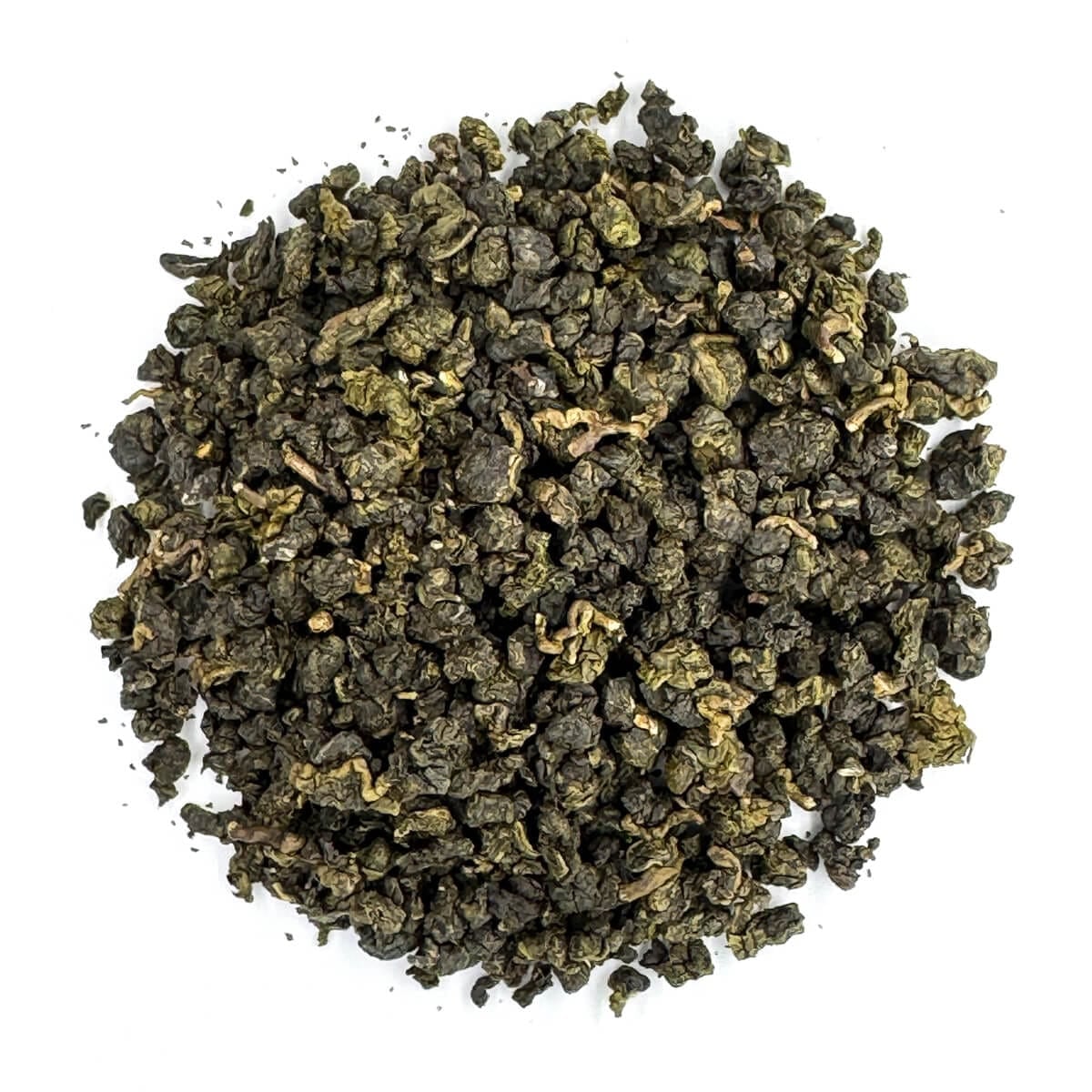
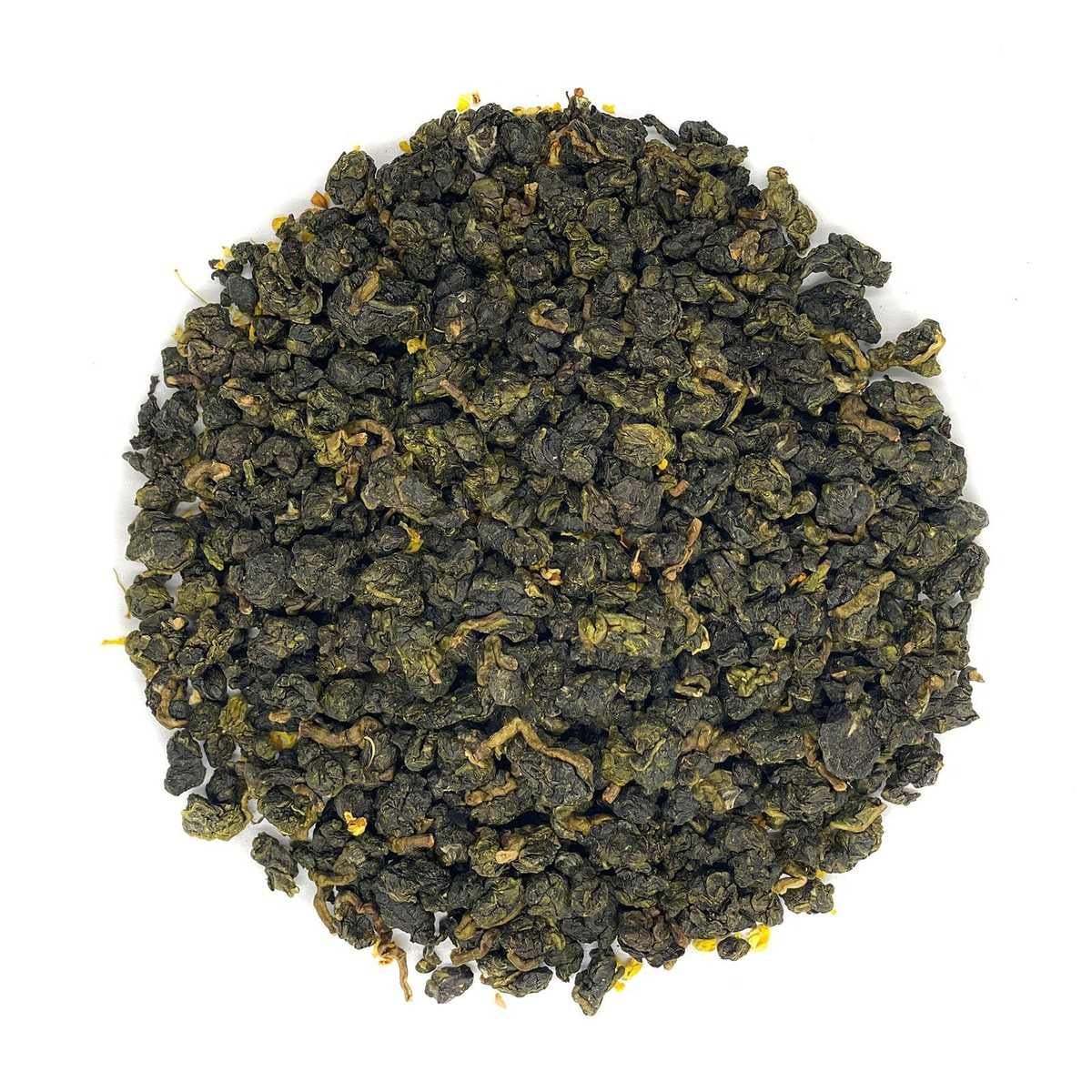
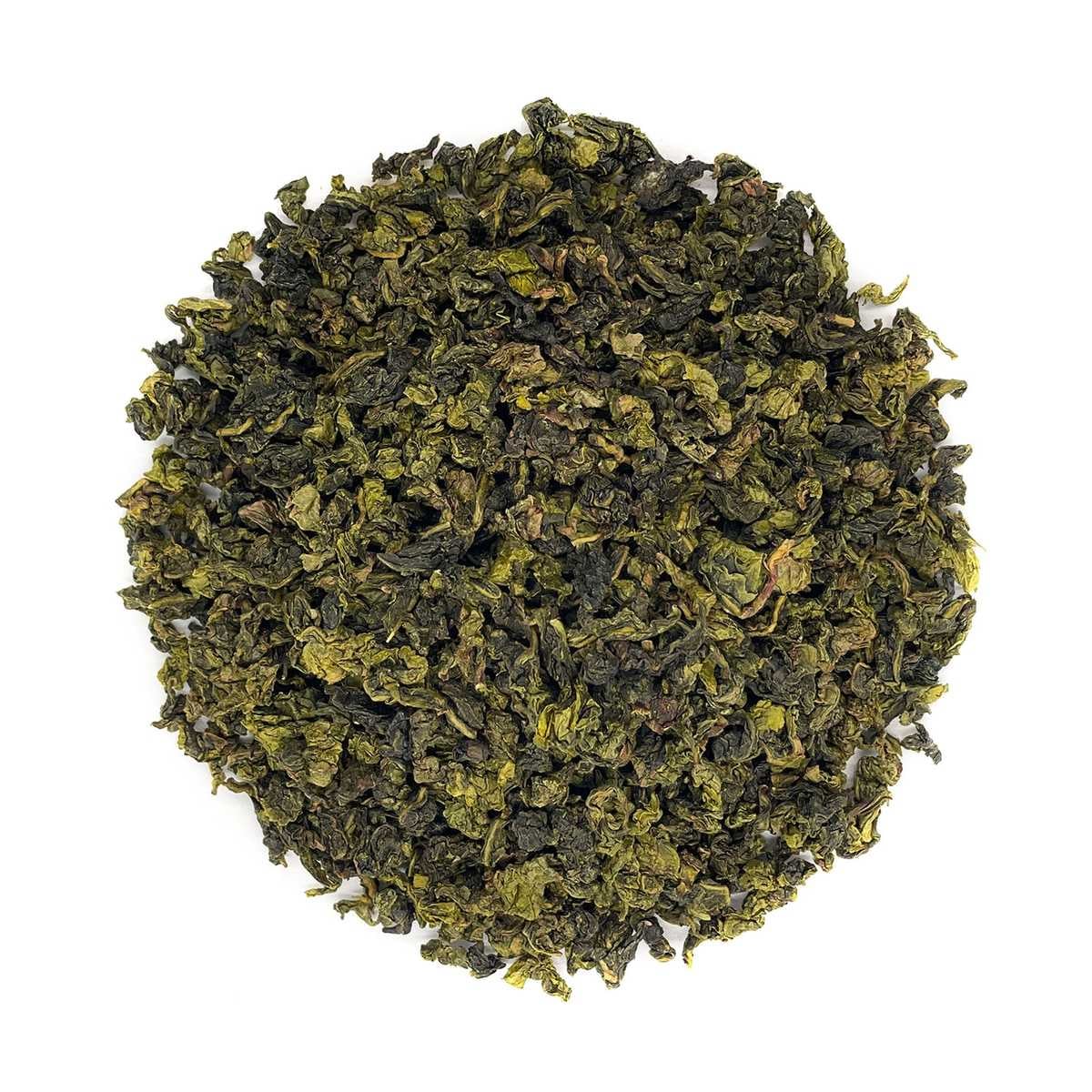
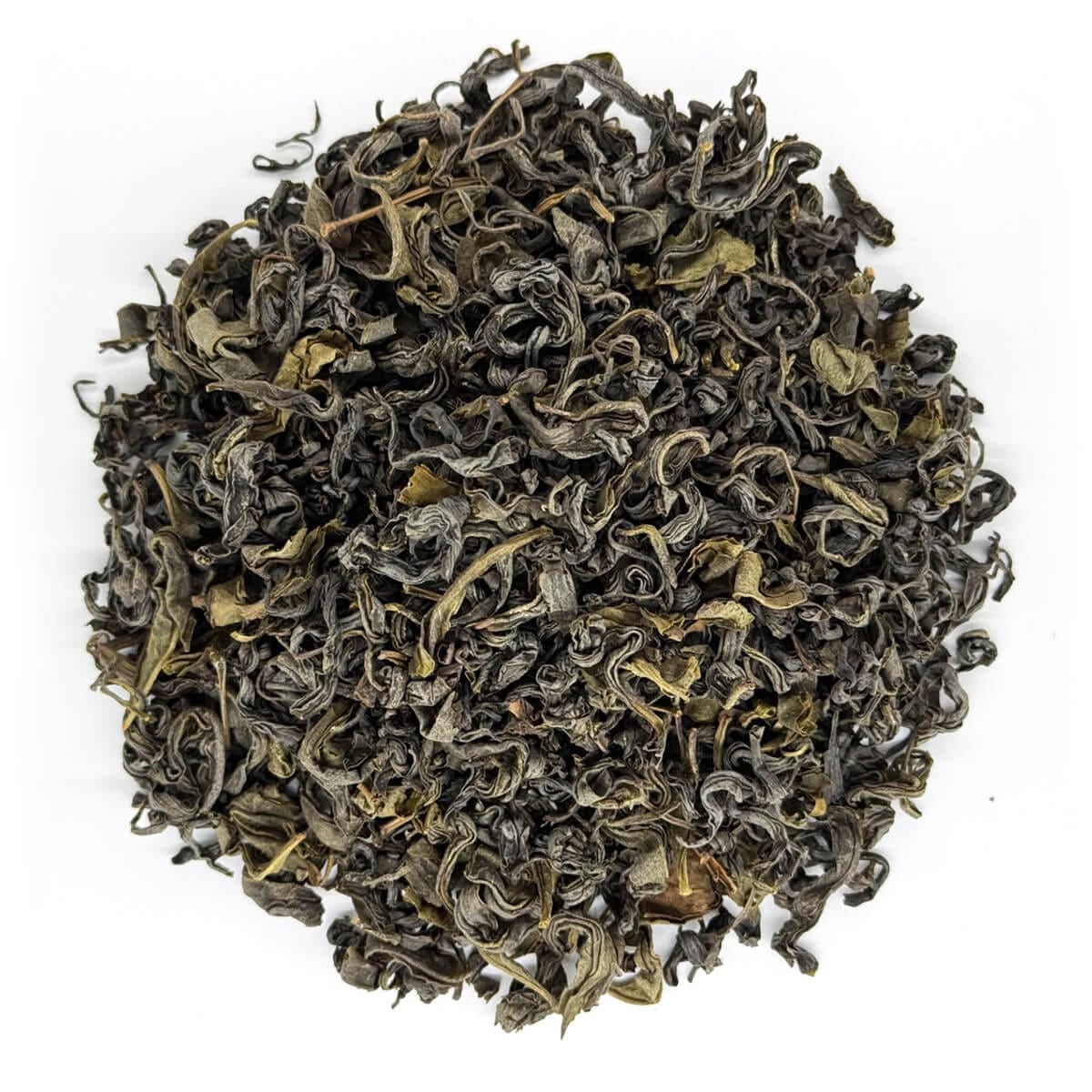
The speciality is a high-mountain oolong (高山烏龍) from the Qing Xin cultivar (青心烏龍) - lightly oxidised (about 15 - 25 %), rolled into balls, mostly unroasted or only gently finished. The liquor is light gold, the aroma markedly floral (orchids, white flowers), the taste creamy and sweet with a long finish. The most prized are the spring and winter harvests. Together with the other villages of Alishan, Mei Shan is among the most respected producers of Taiwanese high-mountain tea.