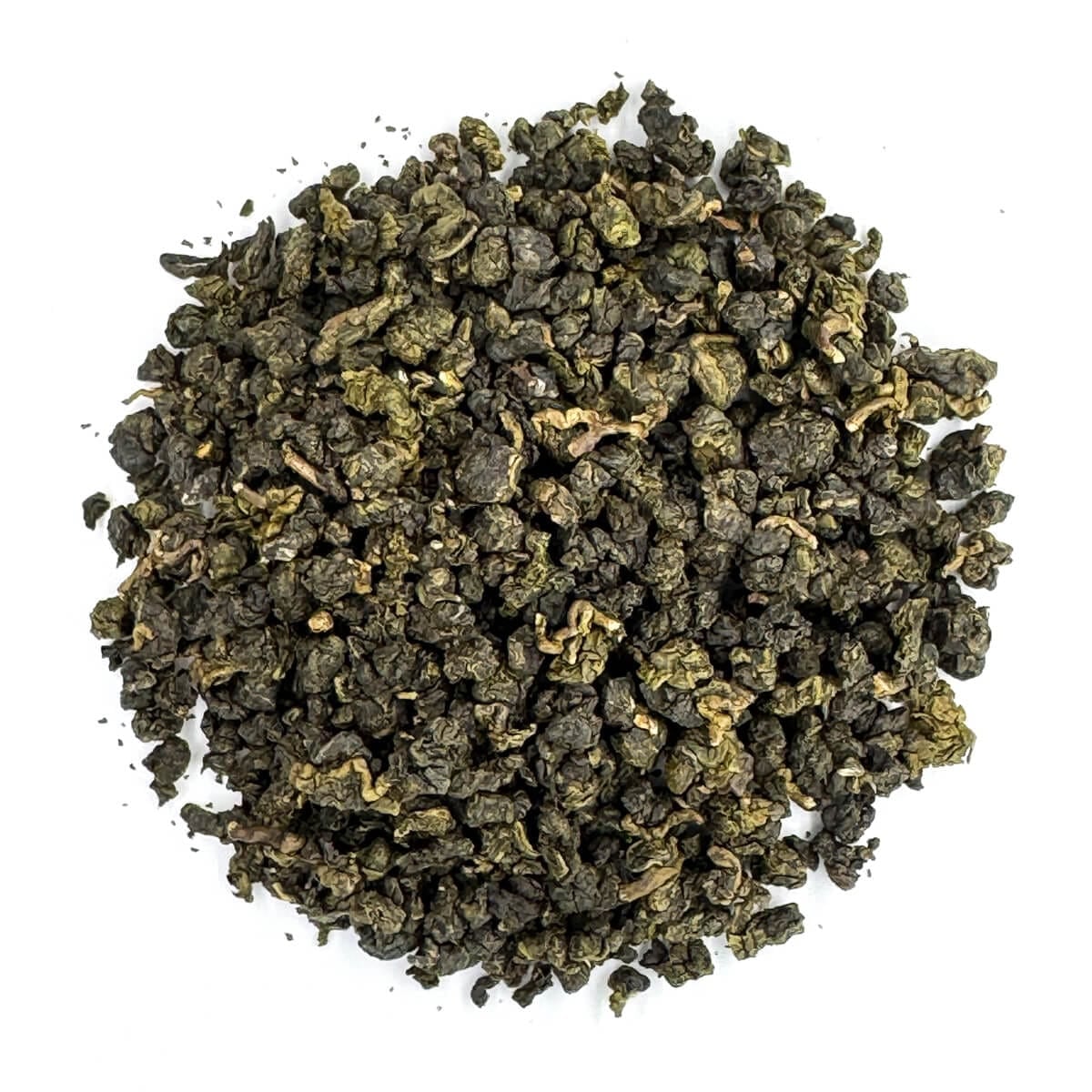
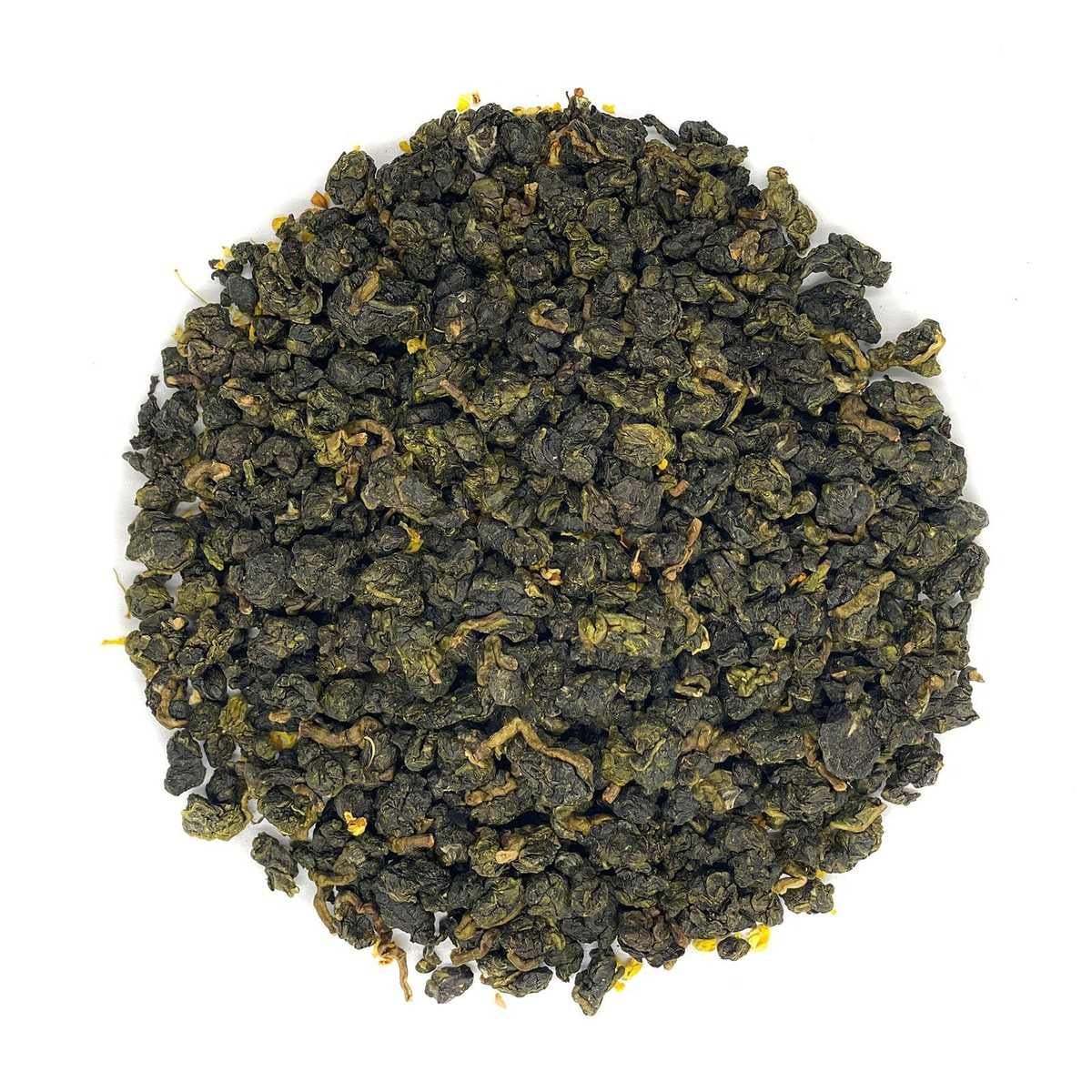
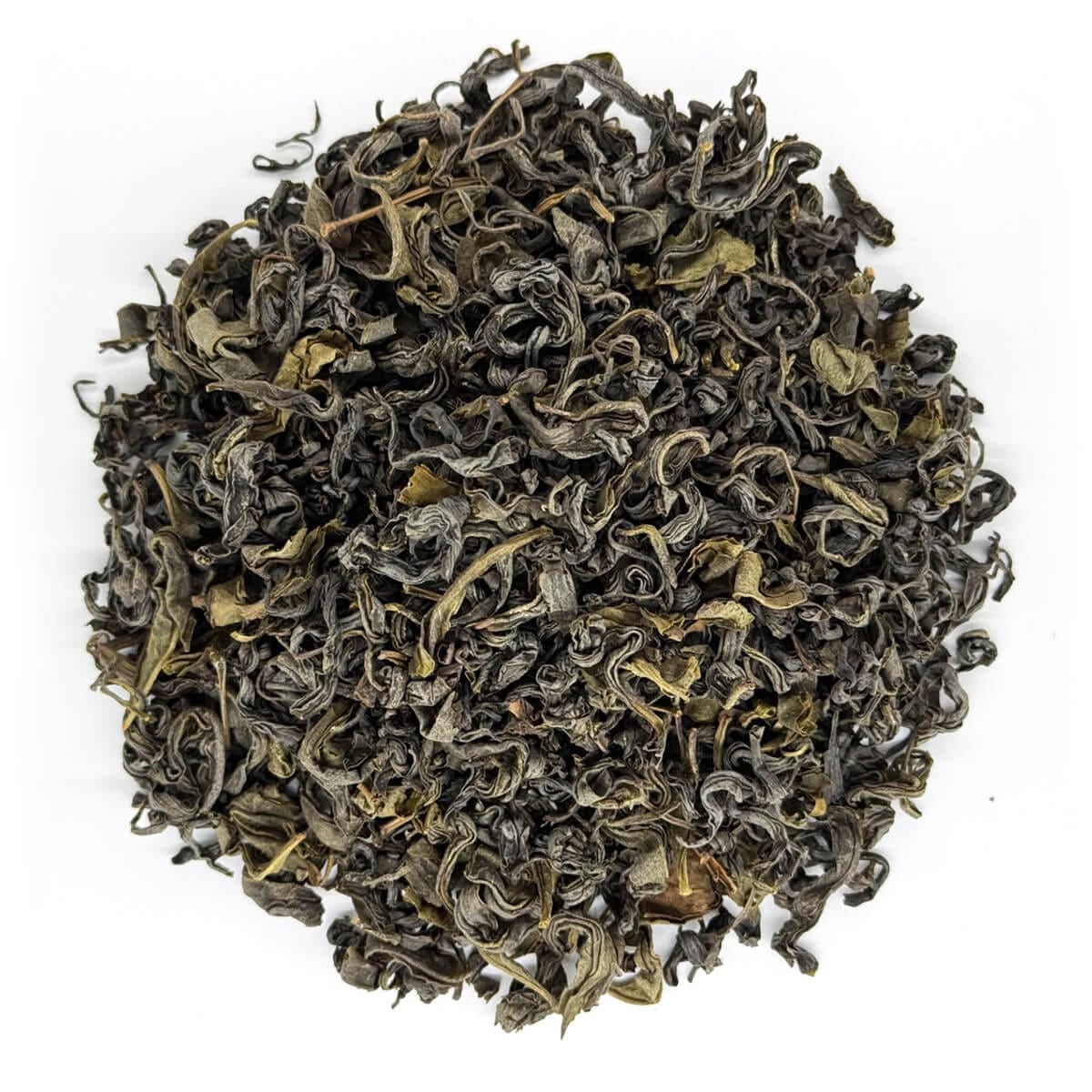
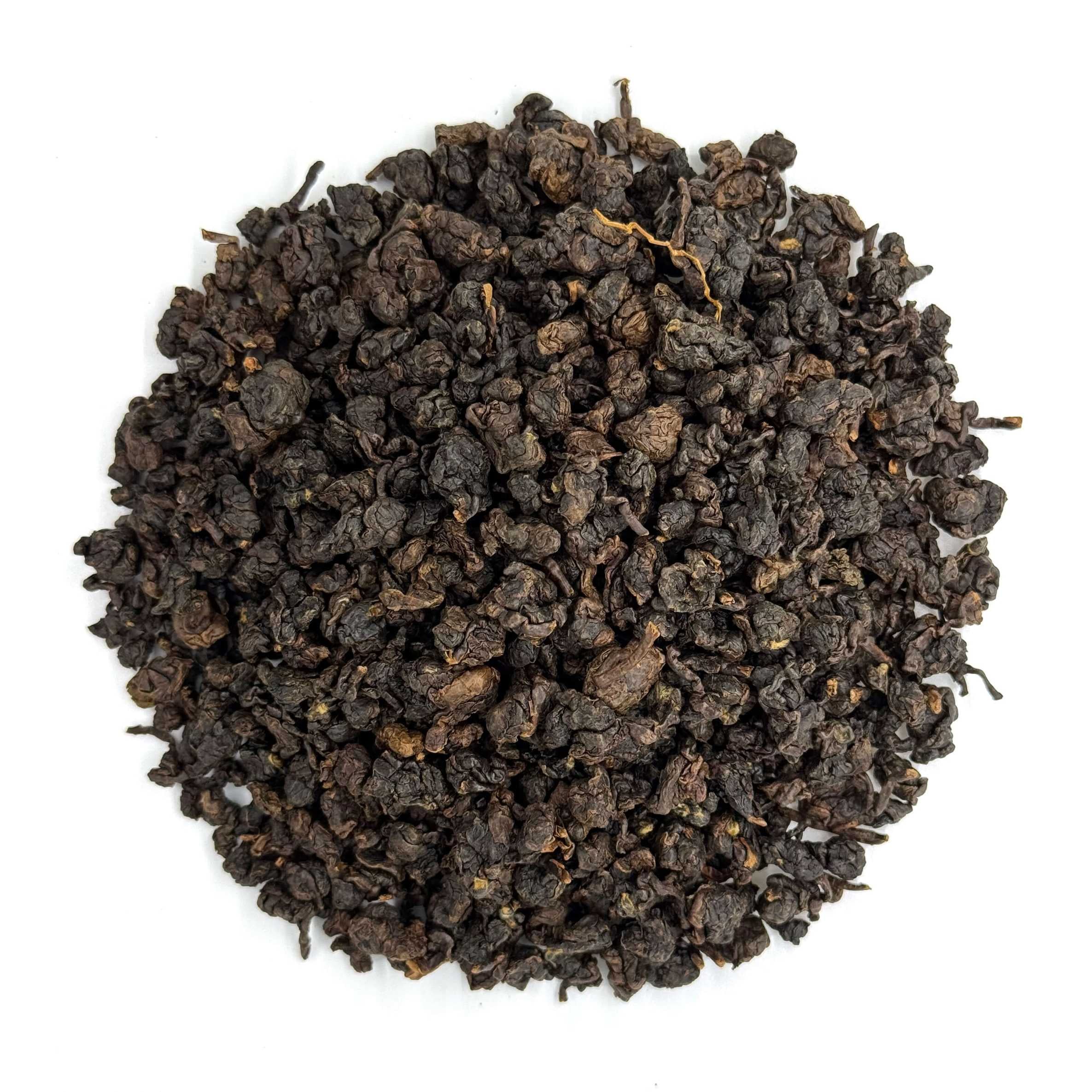
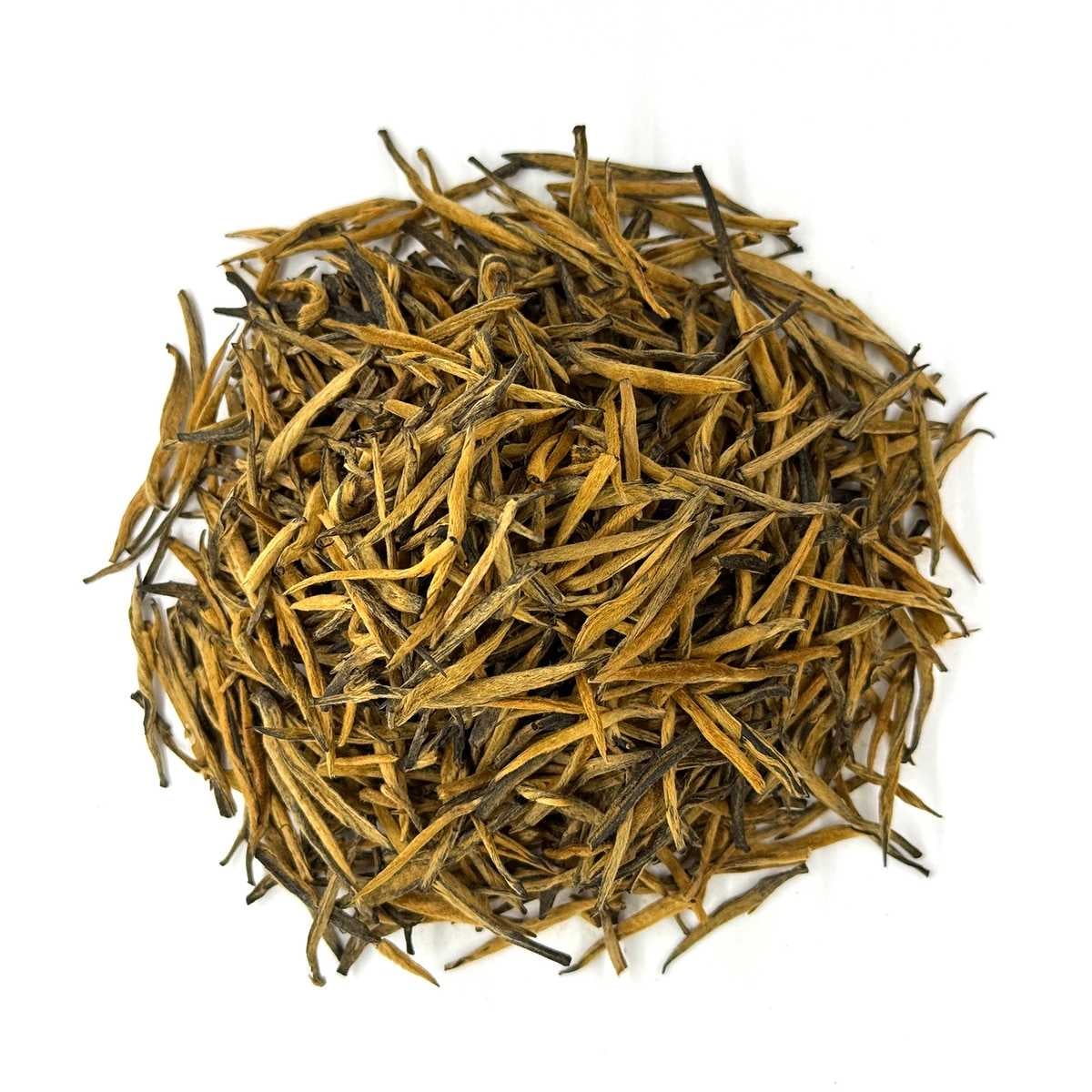
Anxi (安溪) is a county in Quanzhou prefecture, in the southeastern Chinese province of Fujian (福建) - the historic heart of Chinese oolong tea. The county lies in a subtropical mountain belt at altitudes from 500 to 1,000 m, with mildly acidic granite soil and almost year-round mist. It was here that one of the most important varieties of Chinese tea arose - Tie Guan Yin (鐵觀音, “Iron Goddess of Mercy”).
Tea growing in Anxi is documented from at least the Song dynasty (960 - 1279), with oral tradition reaching back to the Tang period (618 - 907). The pivotal moment, however, came in the first half of the 18th century, during the Qing dynasty, when the Tie Guan Yin cultivar arose in the region. According to one of two known legends, the poor farmer Wei Yin (魏蔭) received it in a dream from the goddess of mercy Guan Yin. In 2022 the tradition of tea processing in Anxi was inscribed on the UNESCO list of intangible cultural heritage.
Alongside Tie Guan Yin, Anxi also grows Huang Jin Gui (黃金桂, “golden osmanthus”), Ben Shan (本山) and Mao Xie (毛蟹, “hairy crab”) - together they form the “Four classic varieties of Anxi”. In modern times hybrids have been added, such as Huang Guan Yin (黃觀音, cultivar no. 105), a cross of Huang Jin Gui and Tie Guan Yin, which is today also used in Taiwan. A characteristic processing technique is wrapped rolling (綑包揉茶) - the tea leaves are wrapped in cloth and rolled many times into a ball shape.
Anxi oolong today exists in two main styles: nóng xiāng (濃香) - traditional, strongly oxidised and roasted (30 - 50 %), with deep nutty and dried-fruit notes - and qīng xiāng (清香) - a modern light style that arose in the 1990s, lightly oxidised (15 - 25 %), with a markedly floral, bright green character. It is precisely the second style that is today the flagship of the specialist scene.
Anxi is the largest producer of oolong in China - the county alone covers about a quarter of the national output. In recent years the region has also been undergoing a shift towards organic and small-farm tea: farmers are returning to hand-picked gardens of fresh cultivars, competition-grade teas are made in limited batches and are gaining the attention of the specialty market all over the world.