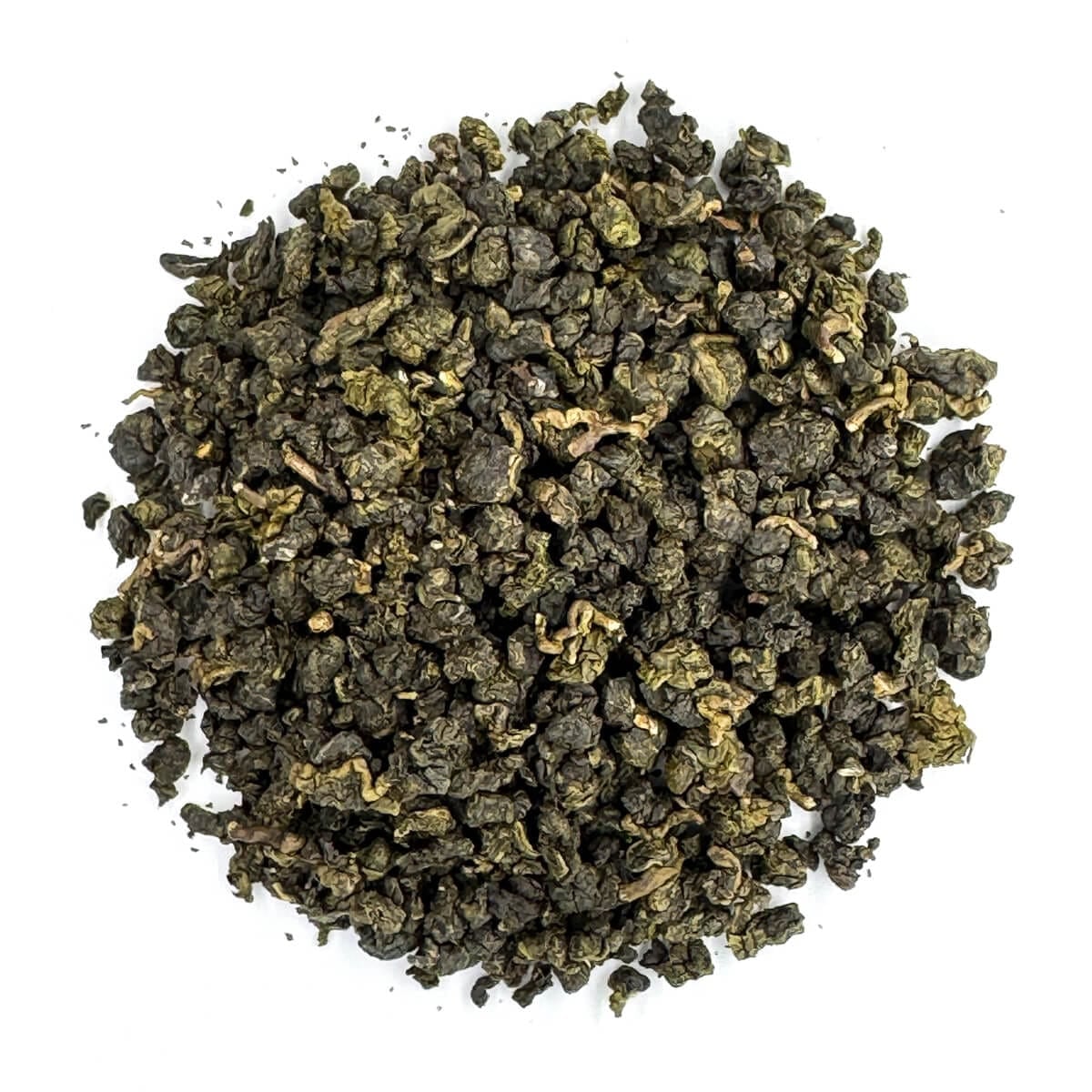
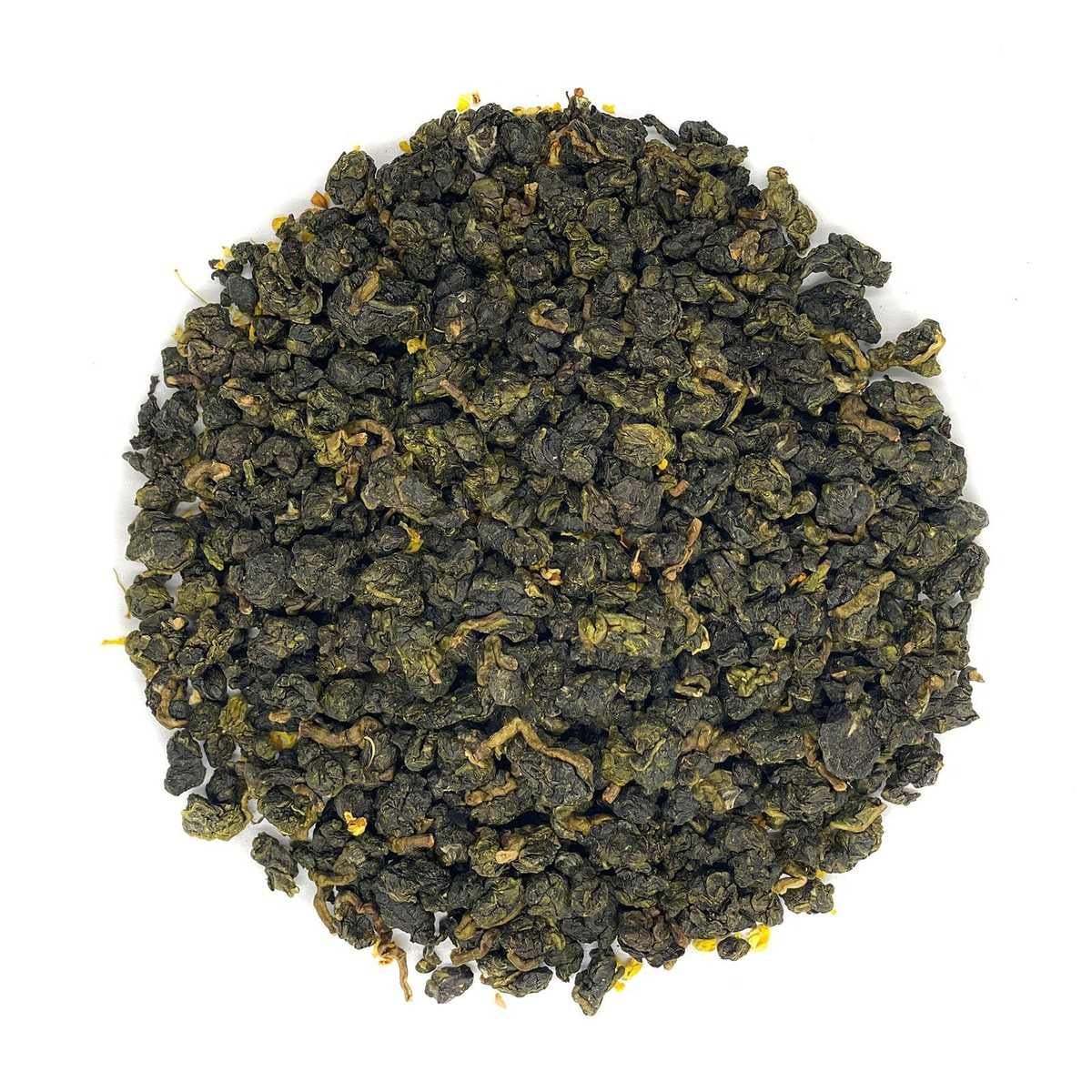
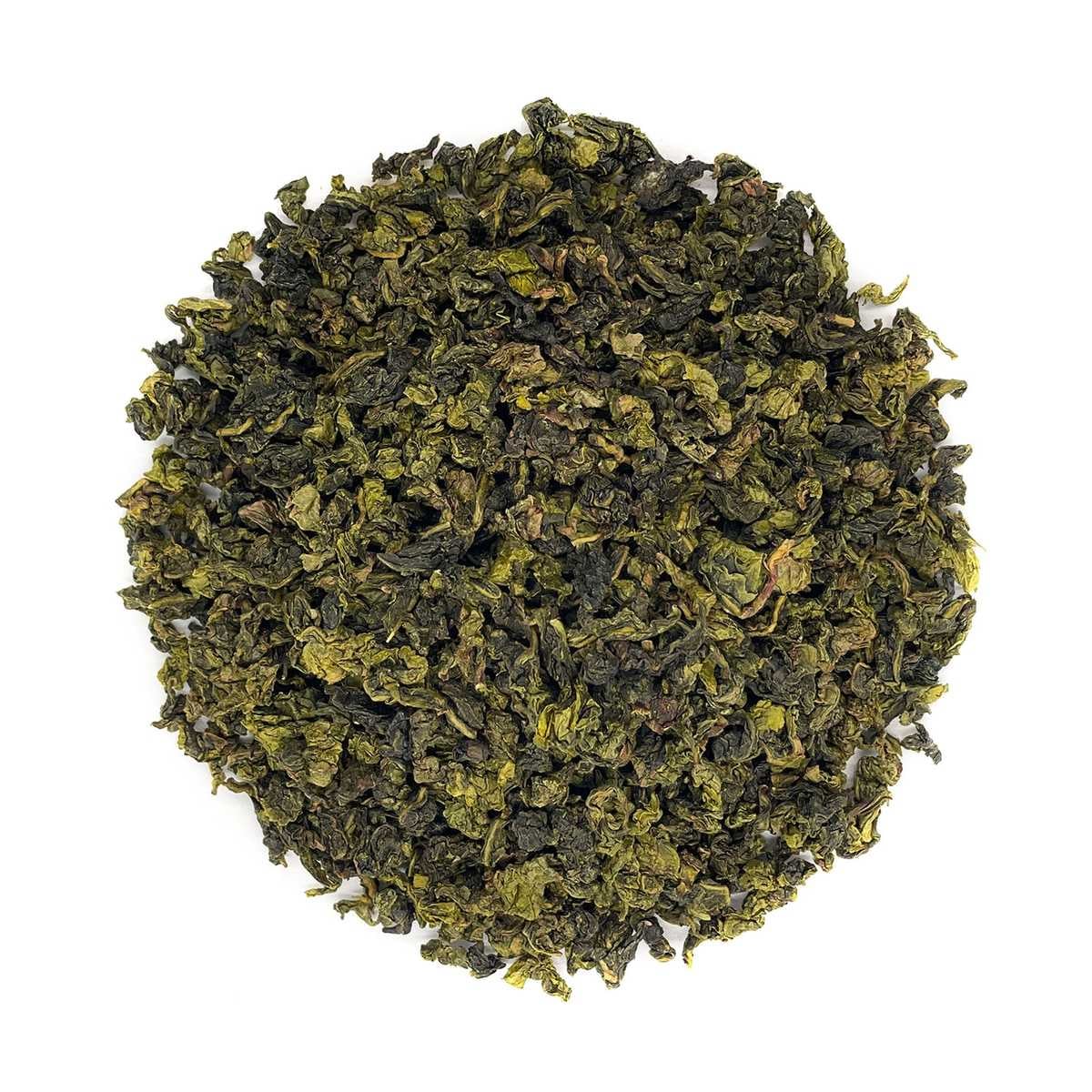
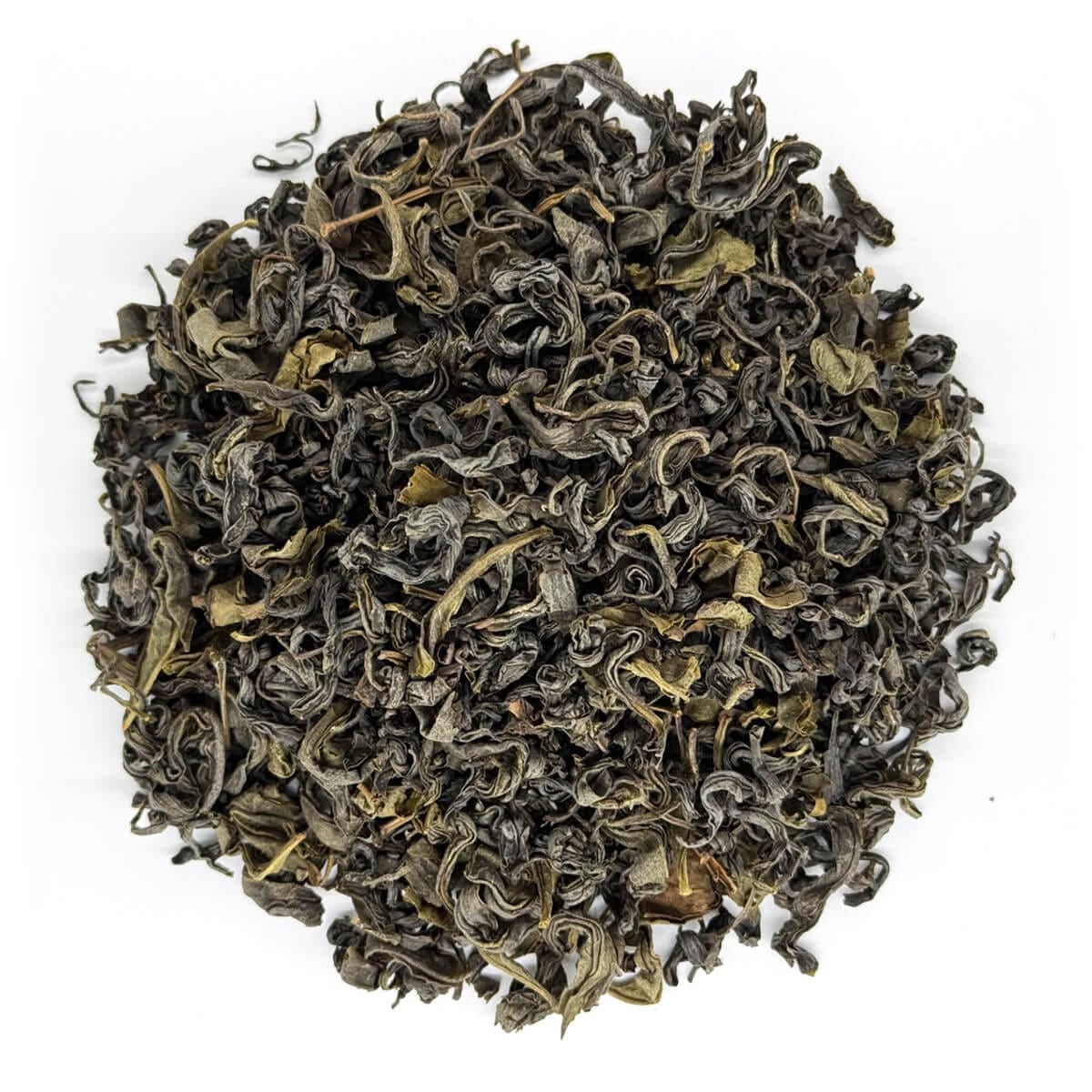
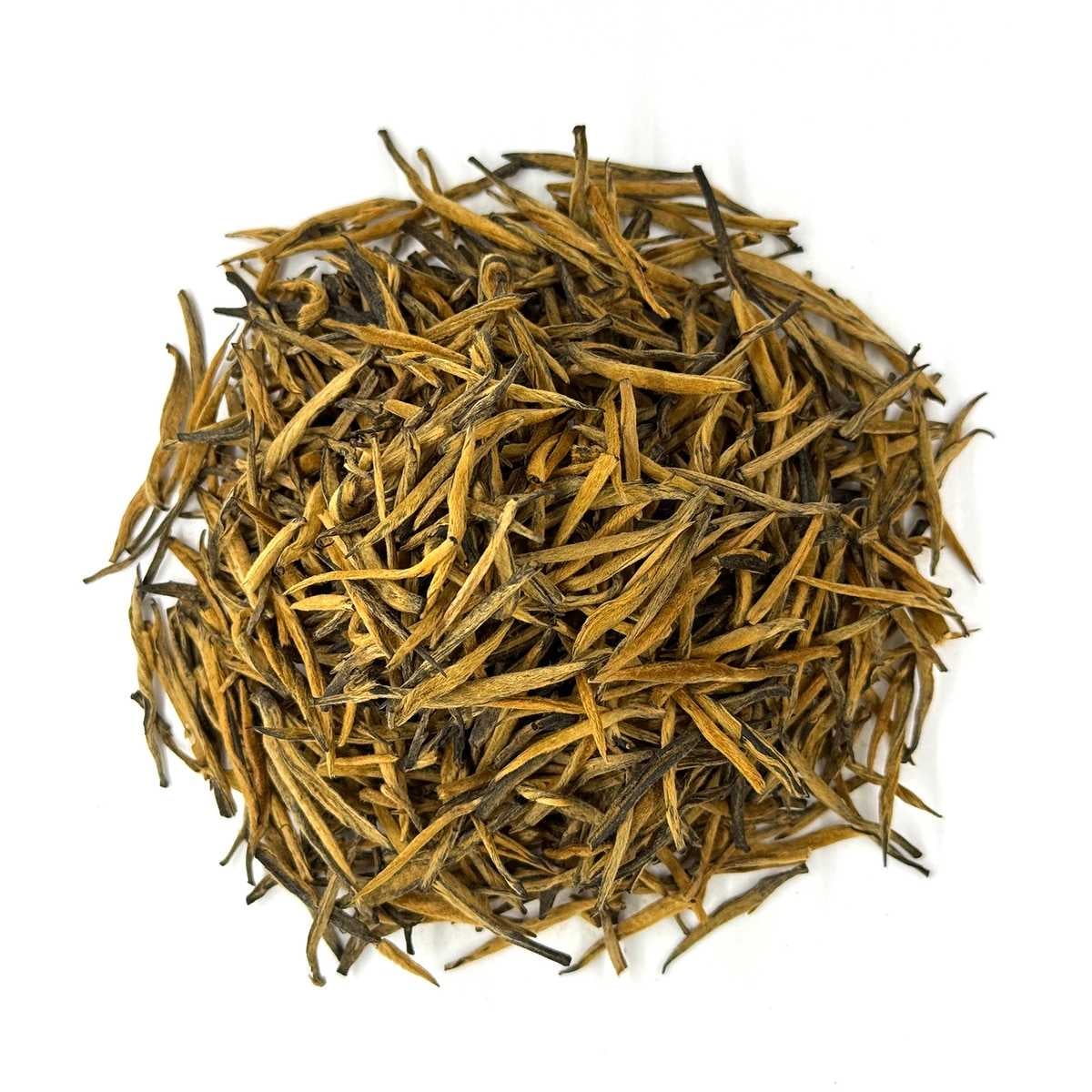
Taitung (台東, “East by the sea”) is a sparsely populated county on the southeastern coast of Taiwan, between the Central Mountain Range and the Pacific Ocean. The heart of its tea-making is the Luye plateau (鹿野高台) in Luye district, which lies at an altitude of only around 200 - 350 m - that is, much lower than the high-mountain areas of western Taiwan. It is precisely this warm lowland location that gives Taitung teas their distinctive character.
Taitung is among the youngest tea regions on the island - commercial cultivation only got going here in the 1960s, when farmers in Luye, Beinan and Yanping planted large-leaf Assam tea plants to make black tea. A major turning point came in 2008, when the local branch of the Taiwanese Tea Experiment Station developed, right in Luye, a completely new type of tea - red oolong (紅烏龍, hong wulong).
The region lies just south of the Tropic of Cancer, so it has abundant sun and a drier, warmer climate with an average annual temperature of around 23.5 °C. The tea plants grow faster here than in the cool interior, and the leaf ripens fuller and more robust - an ideal basis for strongly oxidised teas. In summer the leaves are often nibbled by tiny leafhoppers, which gives the tea honeyed-fruity notes.
The flagship tea is red oolong - a cross between two worlds: it takes the withering and roasting of oolong, but also the strong rolling and almost complete oxidation (around 80%) of black tea. The liquor is deep amber, with a honeyed sweetness and a ripe fruity aroma, and it withstands repeated or cold steeping. It is made mainly from the Jin Xuan cultivar and large-leaf varieties. Taitung, specifically Luye, is the birthplace of this style and today its most important producer in Taiwan.