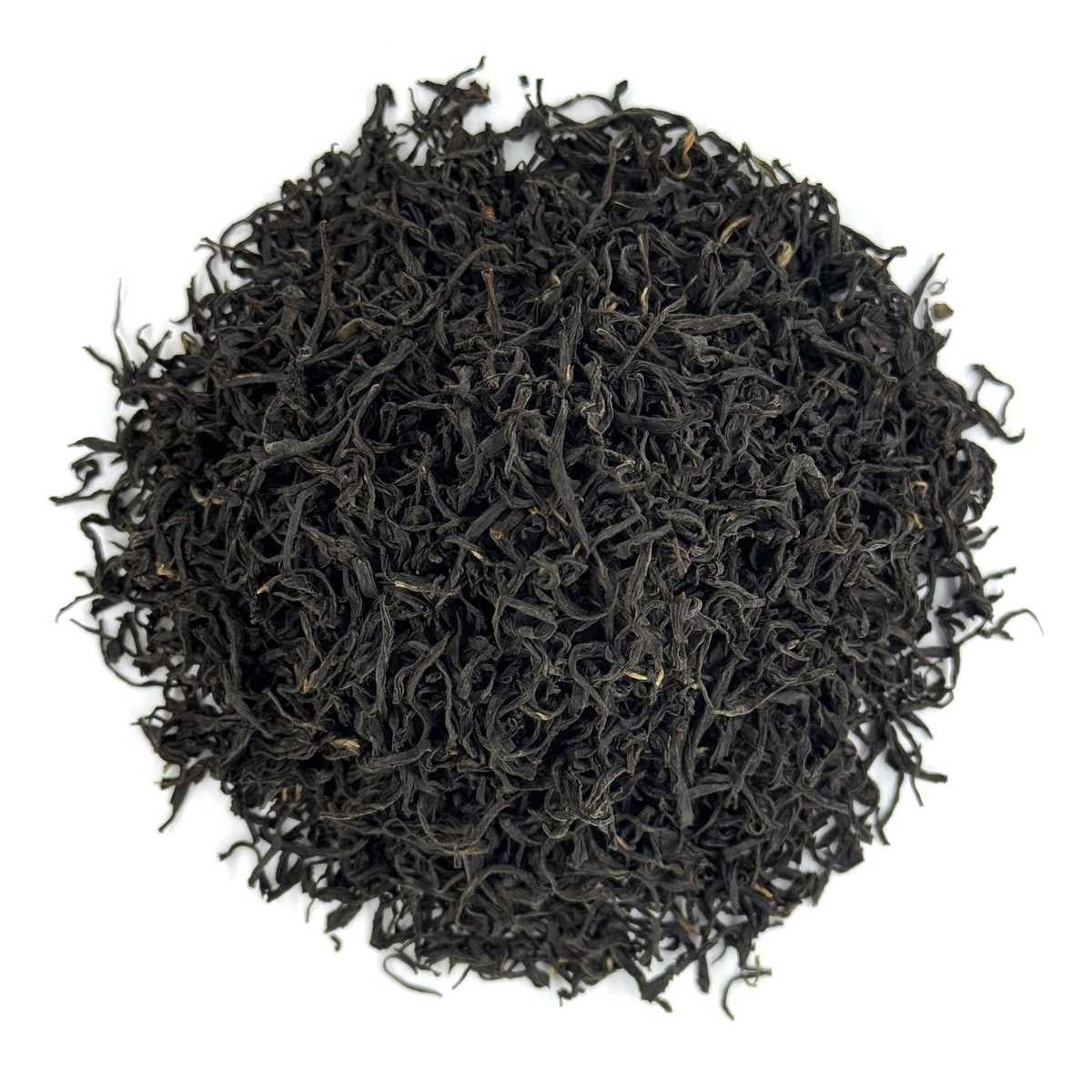
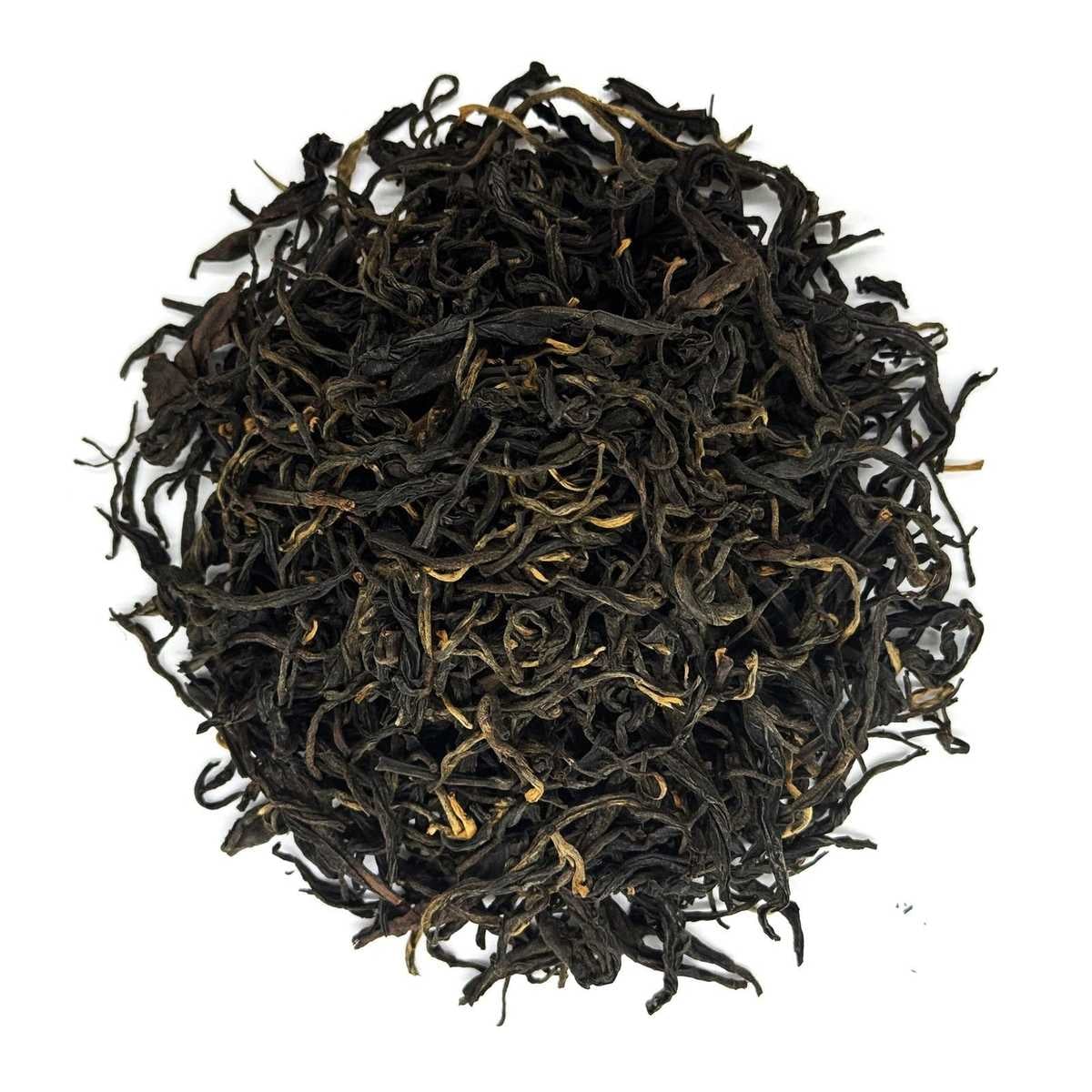
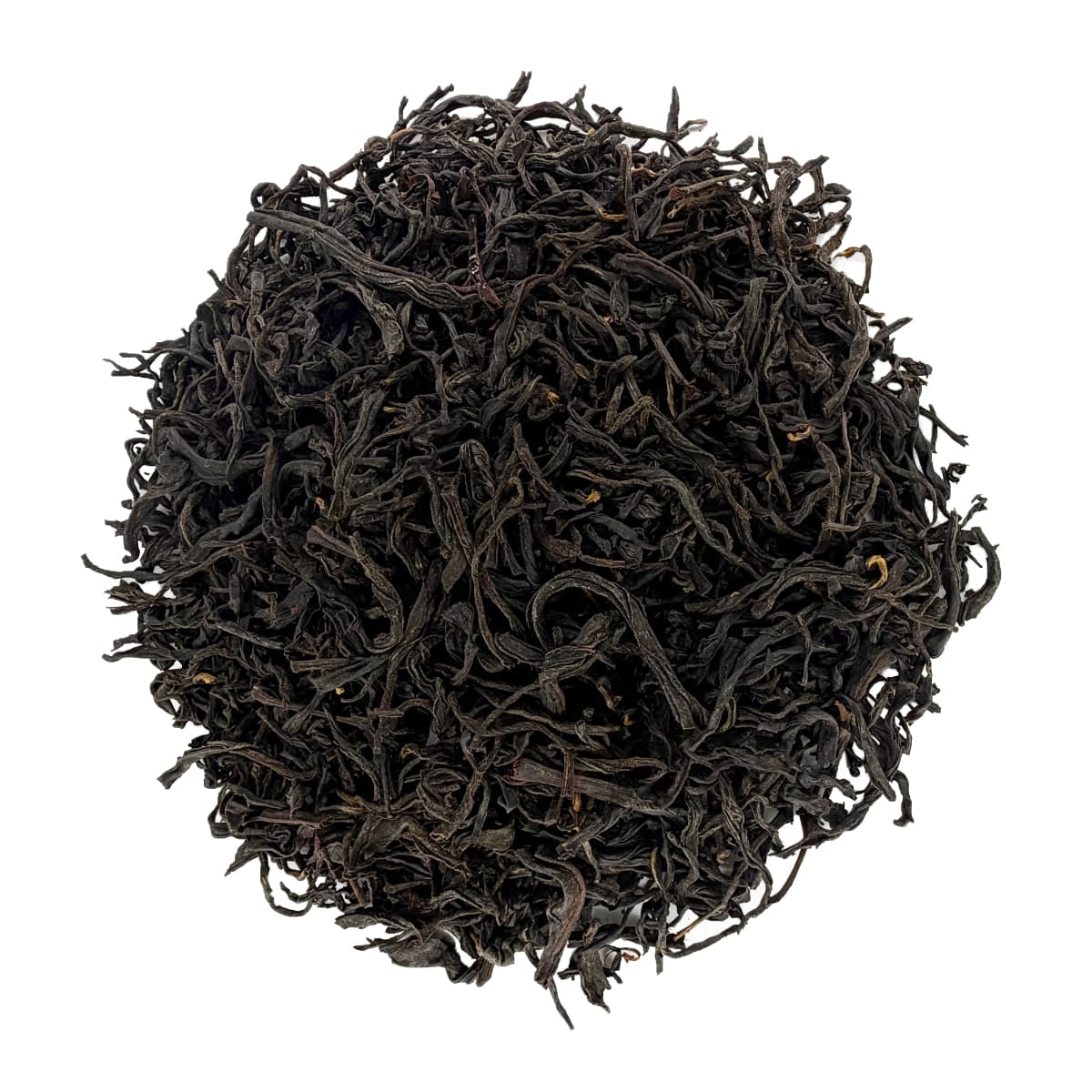
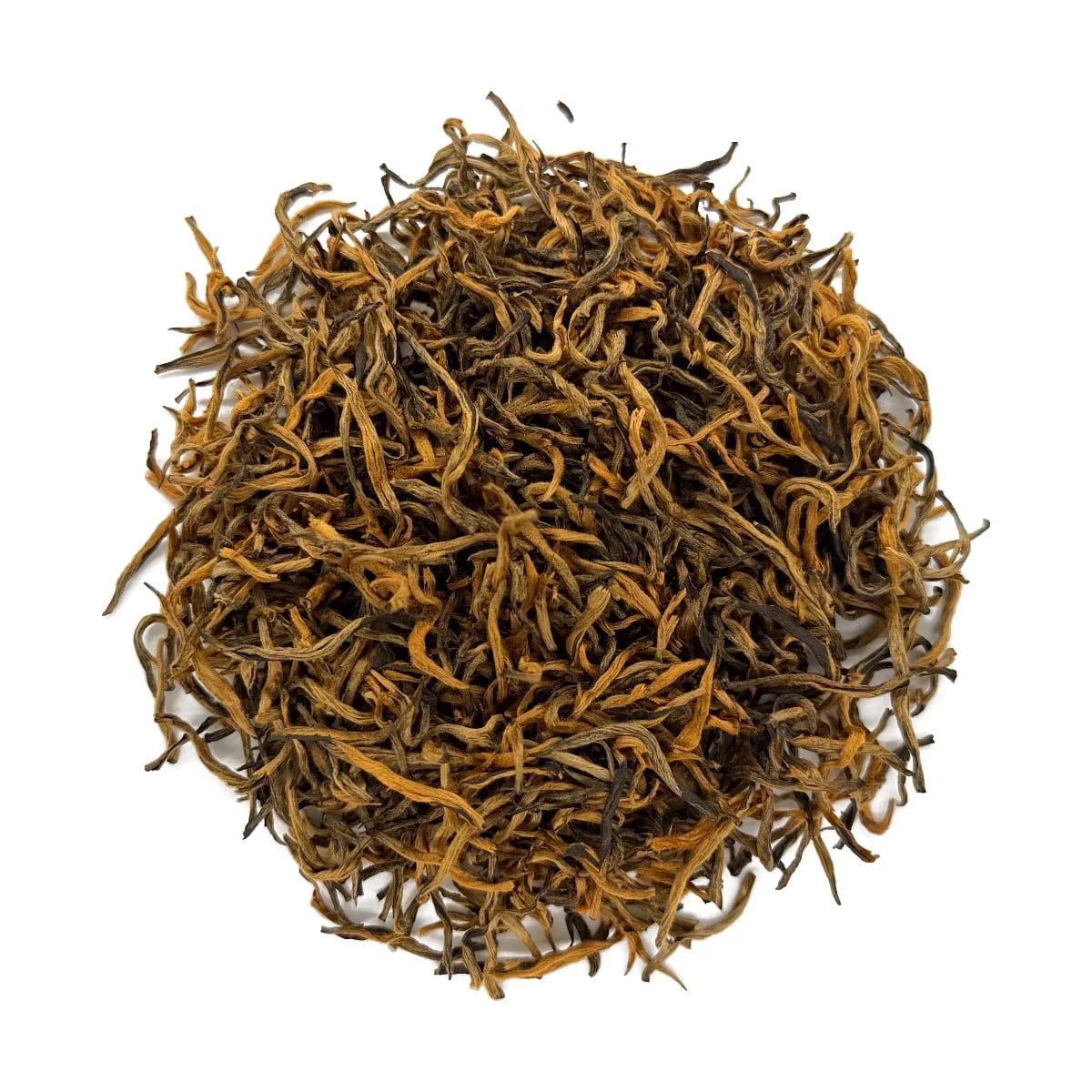
Yunnan (雲南) is a province in southwestern China, bordering Myanmar, Laos and Vietnam. It spreads over an area of almost 400,000 km², crosses mountains and the subtropical valleys of the Mekong (Lancang), Yangtze and Salween rivers, and is home to 25 ethnic minorities - including the Dai, Bulang, Hani and Wa peoples, who knew and used the tea plant long before it arrived in northern China.
Yunnan is generally considered the cradle of the tea plant - specifically the variety Camellia sinensis var. assamica (the large-leaf “大葉種, Dà yè zhǒng”). In southwestern Yunnan, in the prefectures of Xishuangbanna, Lincang and Pu'er, ancient tea trees (古樹, gǔ shù) grow, ranging in age from hundreds to over 3,000 years - the oldest documented specimens in the world. From here ran the famous Tea Horse Road (茶馬古道) - a trade route along which mule caravans carried pressed tea to Tibet, Myanmar and beyond in exchange for Tibetan horses, at least from the Tang dynasty (7th century) to the 20th century.
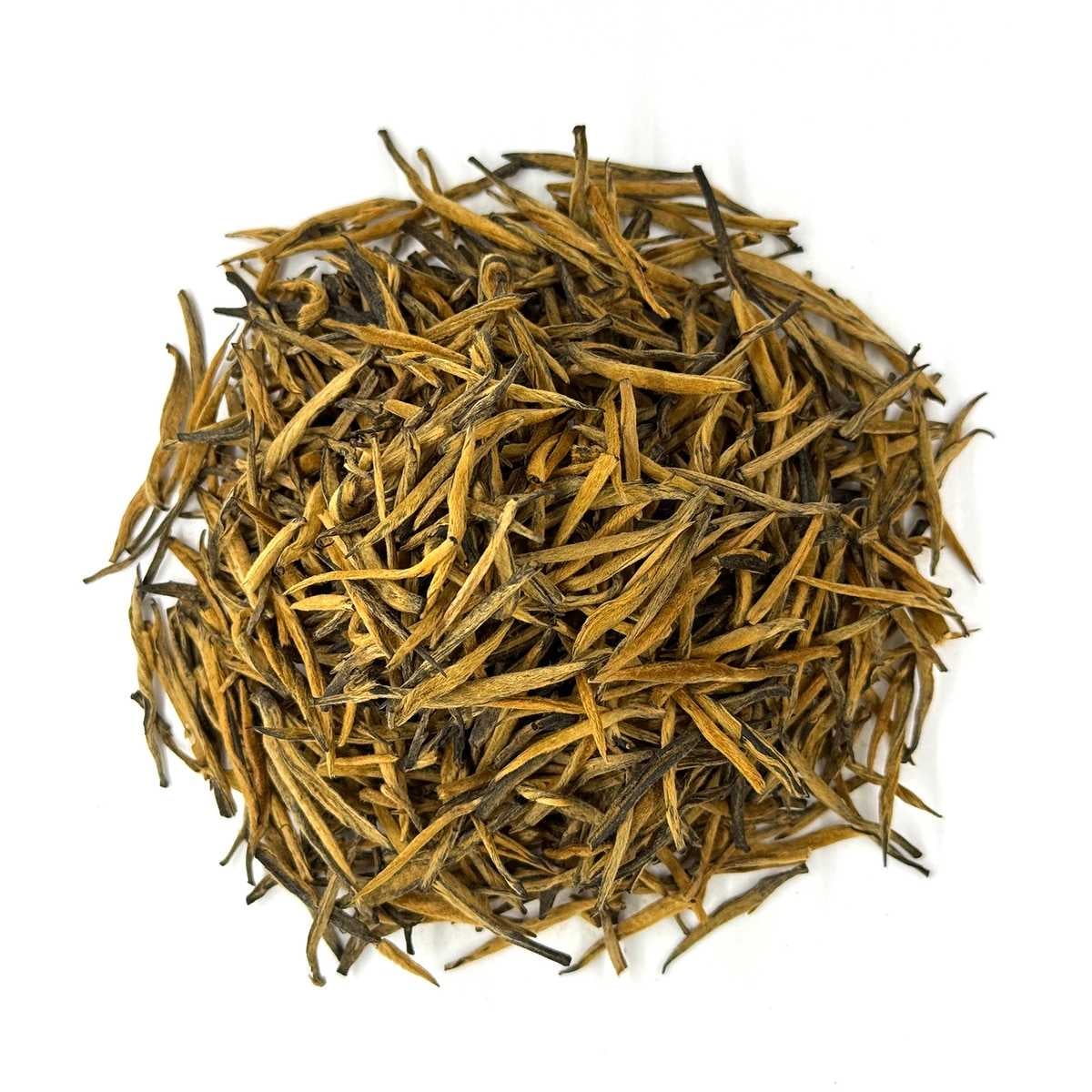
Dian Hong (滇紅) - the red (in the Western world “black”) tea from Yunnan - is paradoxically young. It was created in 1938 in the village of Fengqing (鳳慶) in Lincang prefecture, when the Japanese occupation cut off the supply of traditional red tea from Fujian and the Chinese tea master Feng Shao-qiu (馮紹裘) developed a new production method precisely for the local large-leaf variety. “Dian” (滇) is an old abbreviation for Yunnan province. Dian Hong is distinguished by pronounced golden buds (金芽, jīn yá), a honey-sweet taste and notes of raspberry, cocoa and dried fruit.
Alongside Dian Hong, Yunnan is also the traditional homeland of pu'er teas (普洱茶) - named after the town of the same name. There are two types: raw (生 / shēng) - maturing naturally over decades - and ripe (熟 / shú), which is made by an accelerated microbial fermentation called wò duī (渥堆), developed at the Kunming Tea Factory in 1973. Pu'er is traditionally pressed into cakes (bǐng 餅), bricks (zhuān 磚) or so-called “nests” (tuó 沱), with quality and value growing over time.
Over the last two decades Yunnan has been experiencing a renaissance of ancient tea trees - small producers are returning to hand-picking from wild-growing trees in the mountains instead of industrial plantation production. It is precisely this return to original varieties and techniques that makes Yunnan one of the most interesting tea areas of today - a place where history stretches back thousands of years, yet where new small productions with their own identity are born each year.