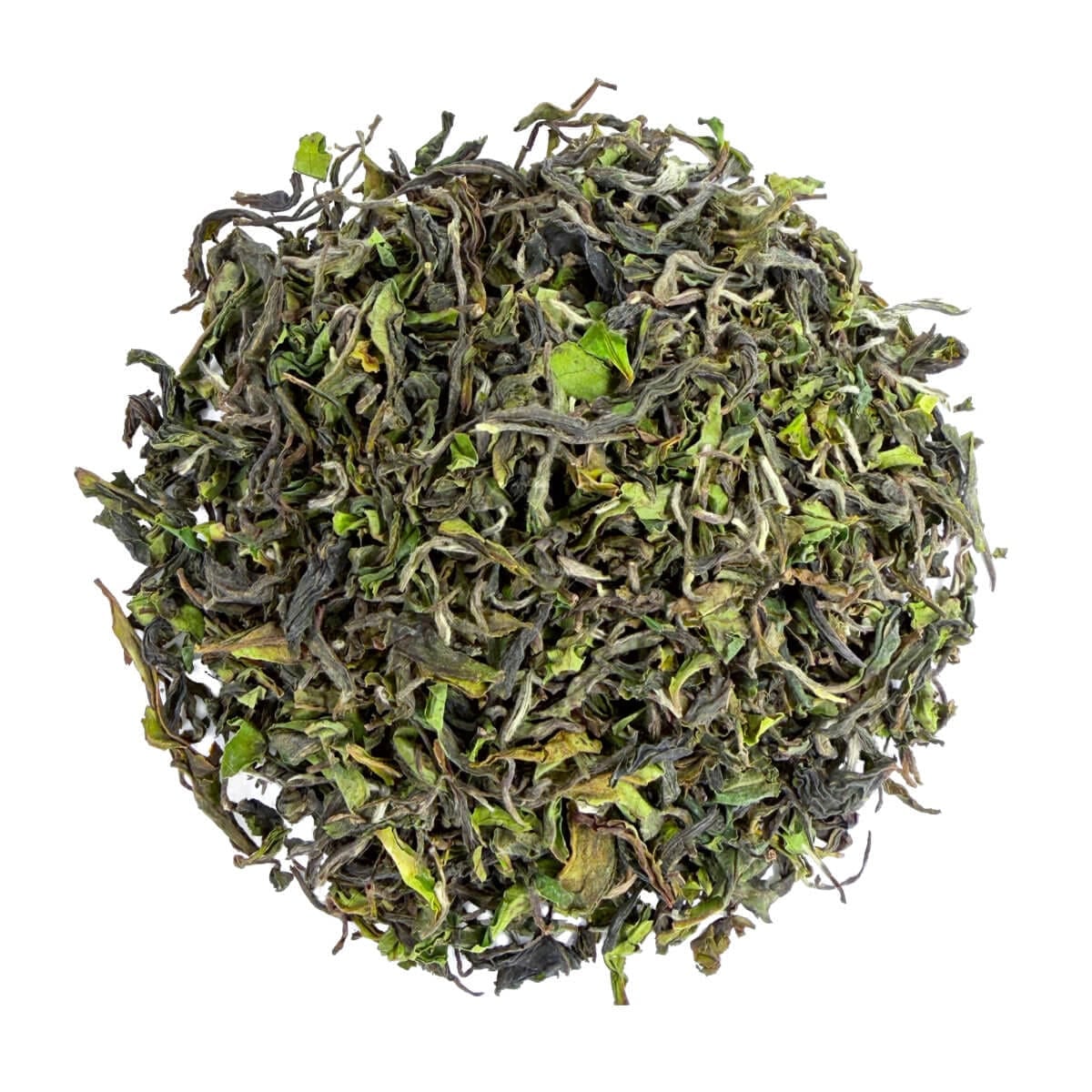
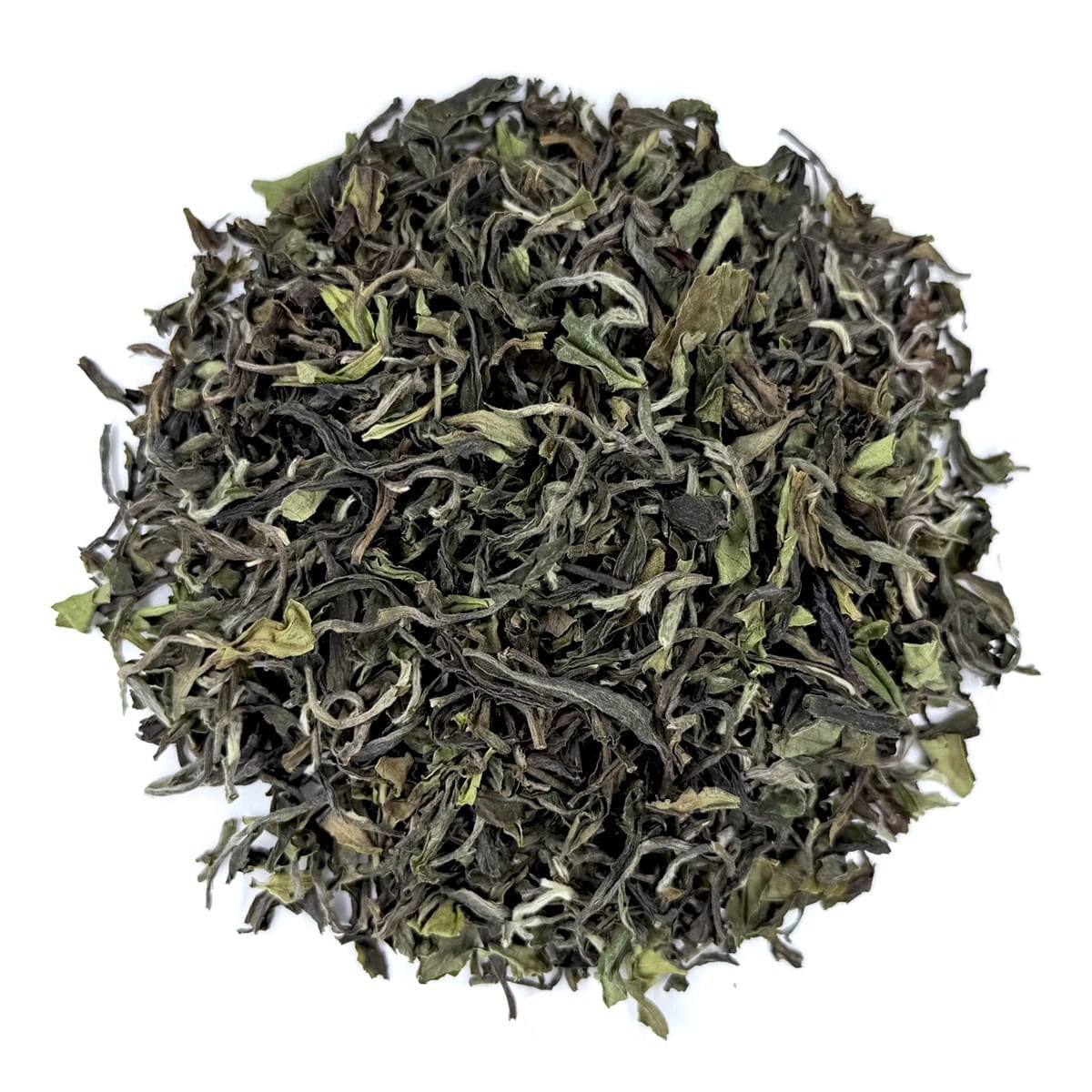
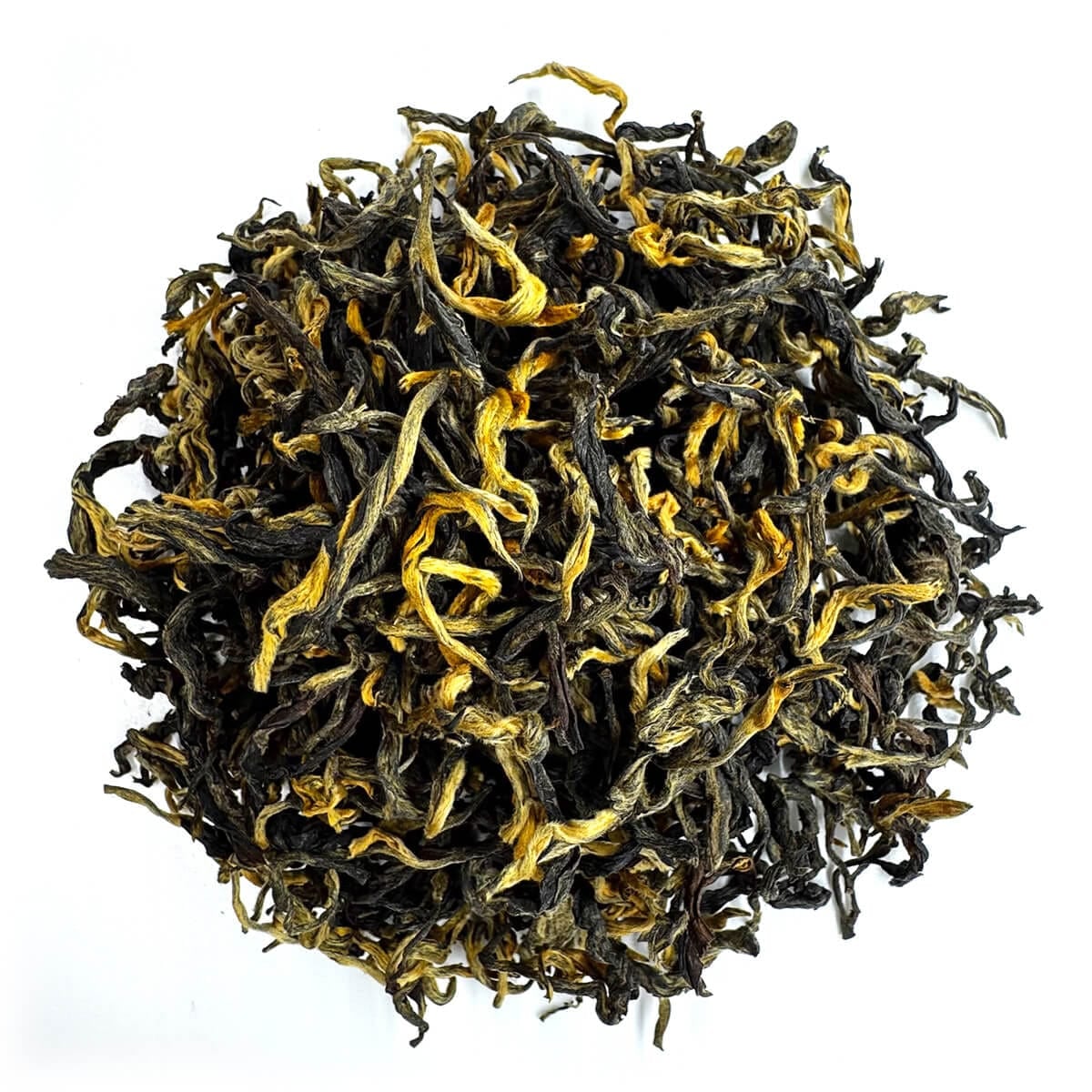
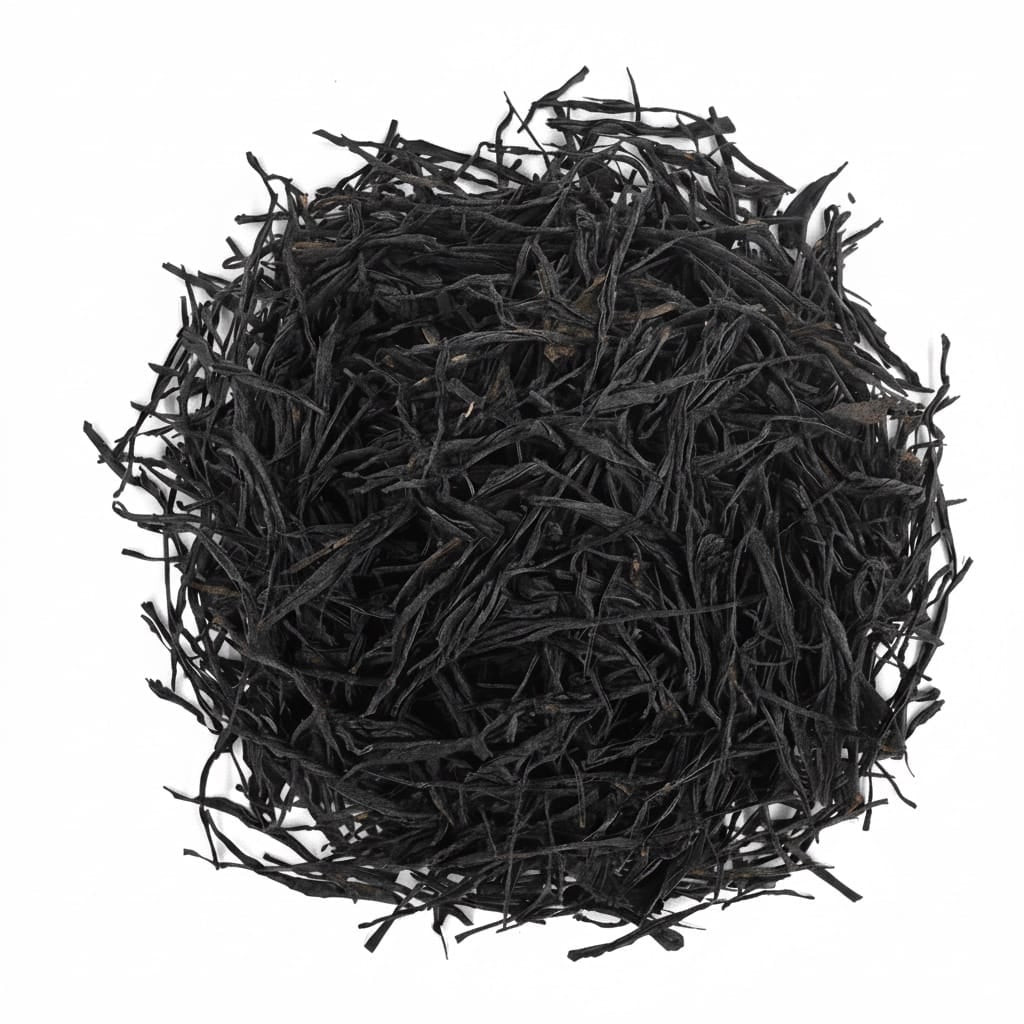
Darjeeling is a district in West Bengal in the eastern Himalayas - bordering Nepal, Sikkim and Bhutan. The tea plants grow here at altitudes of 600 - 2,000 m on steep slopes shrouded by dense morning mist most of the year. Until the mid-19th century the region was just a remote forested spur; its transformation was started by the Scottish physician Dr Archibald Campbell, who in 1841 planted the first experimental tea bushes by his Beechwood residence.
It turned out that the cold nights, fresh days and mildly acidic soil suit the delicate Chinese variety Camellia sinensis var. sinensis. The Chinese tea plant for the Indian industry was secured by the botanist Robert Fortune, who during a secret mission (1848 - 1851) exported it from China for the East India Company. The first trial gardens - Tukvar, Steinthal and Alubari - arose in 1852 from seedlings from government nurseries; the commercial era began around 1856, and by 1866 there were already 39 gardens in operation. The work on the steep slopes was done by migrants from Nepal and the native Lepchas, whose descendants are to this day the backbone of Darjeeling production.
Misty mornings, cold nights and abundant rainfall slow the growth and concentrate the aromatic compounds in the leaf - the basis of the famous muscatel note, for which the tea earned the nickname “the Champagne of teas” by the end of the 19th century. After the collapse of the Soviet Union, until then the main buyer, the region reoriented towards organic and fair-trade production, and in October 2004 it obtained a protected designation of origin (GI) - the very first in India. Since then only tea from registered gardens under the supervision of the Tea Board of India may carry the name “Darjeeling”.
The taste of Darjeeling is defined by three main harvest seasons. The first flush (late February - mid-April) gives lightly oxidised (10 - 30 %), delicate and floral teas; the second flush (May - June) brings a fuller body, higher oxidation and the classic muscatel notes; the autumnal flush after the monsoon (October - November) matures into sweeter, fruitier notes. In the traditional hand-picking, only the youngest two leaves and a bud are gathered. Darjeeling is today the most imitated yet at the same time the most strictly protected tea in the world.