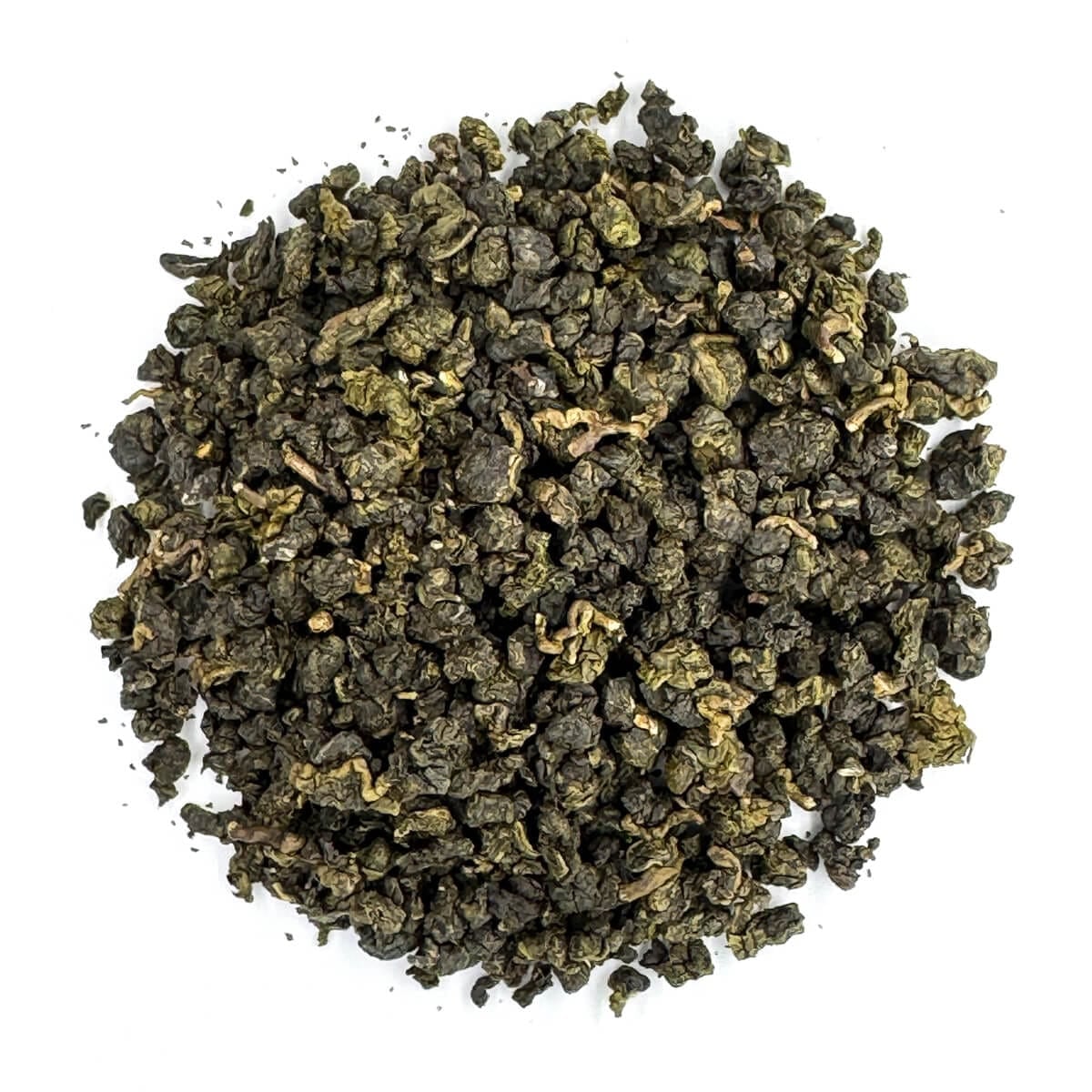
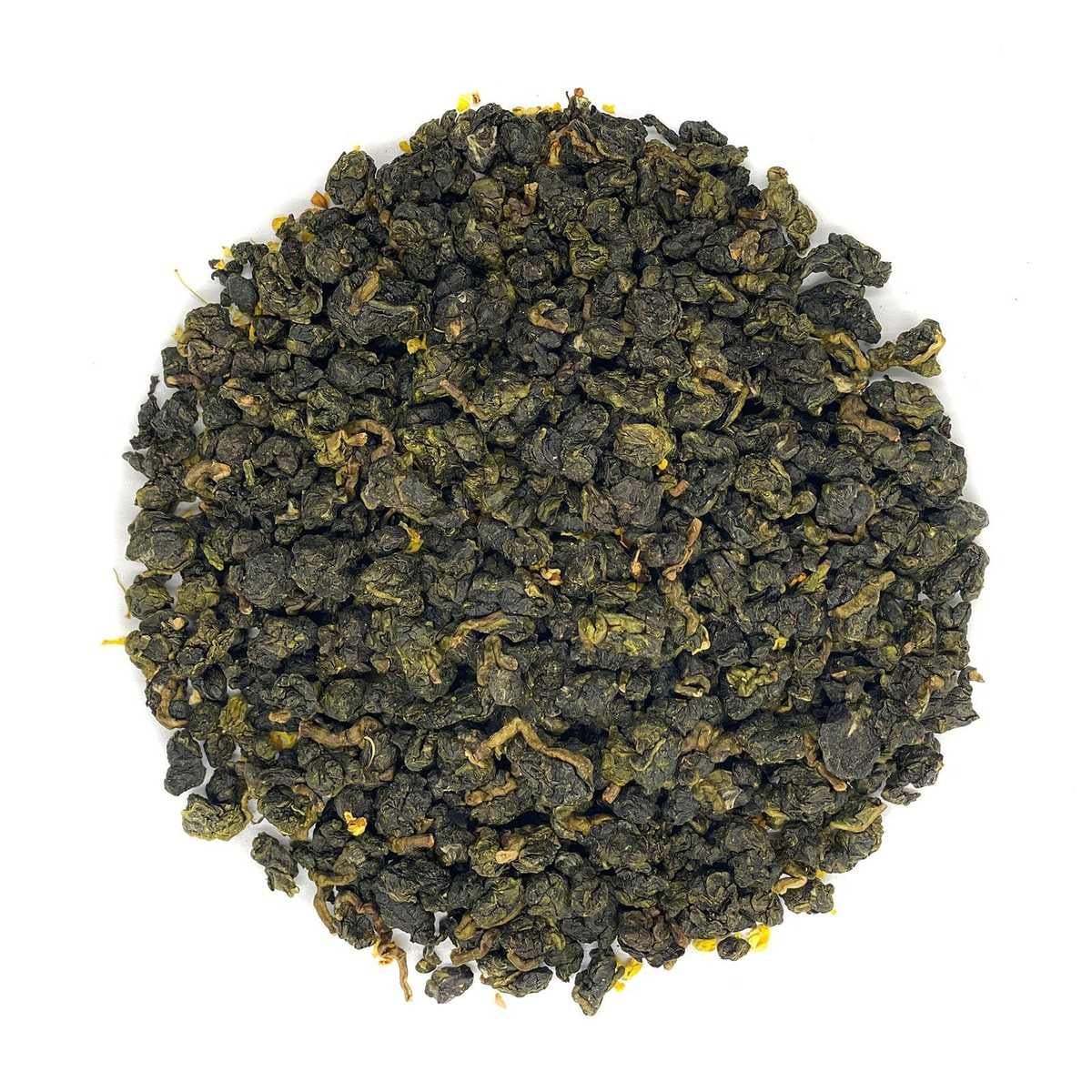
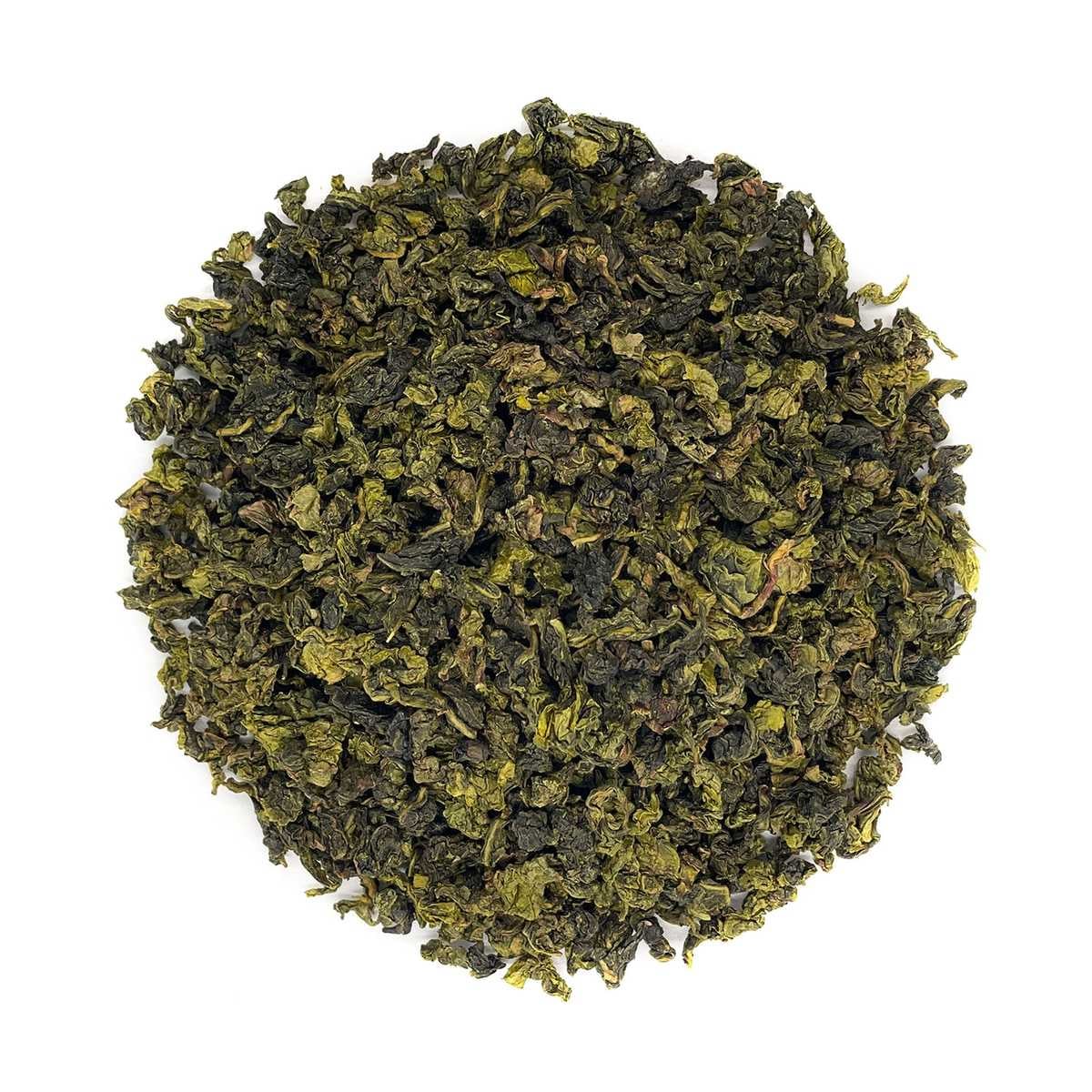
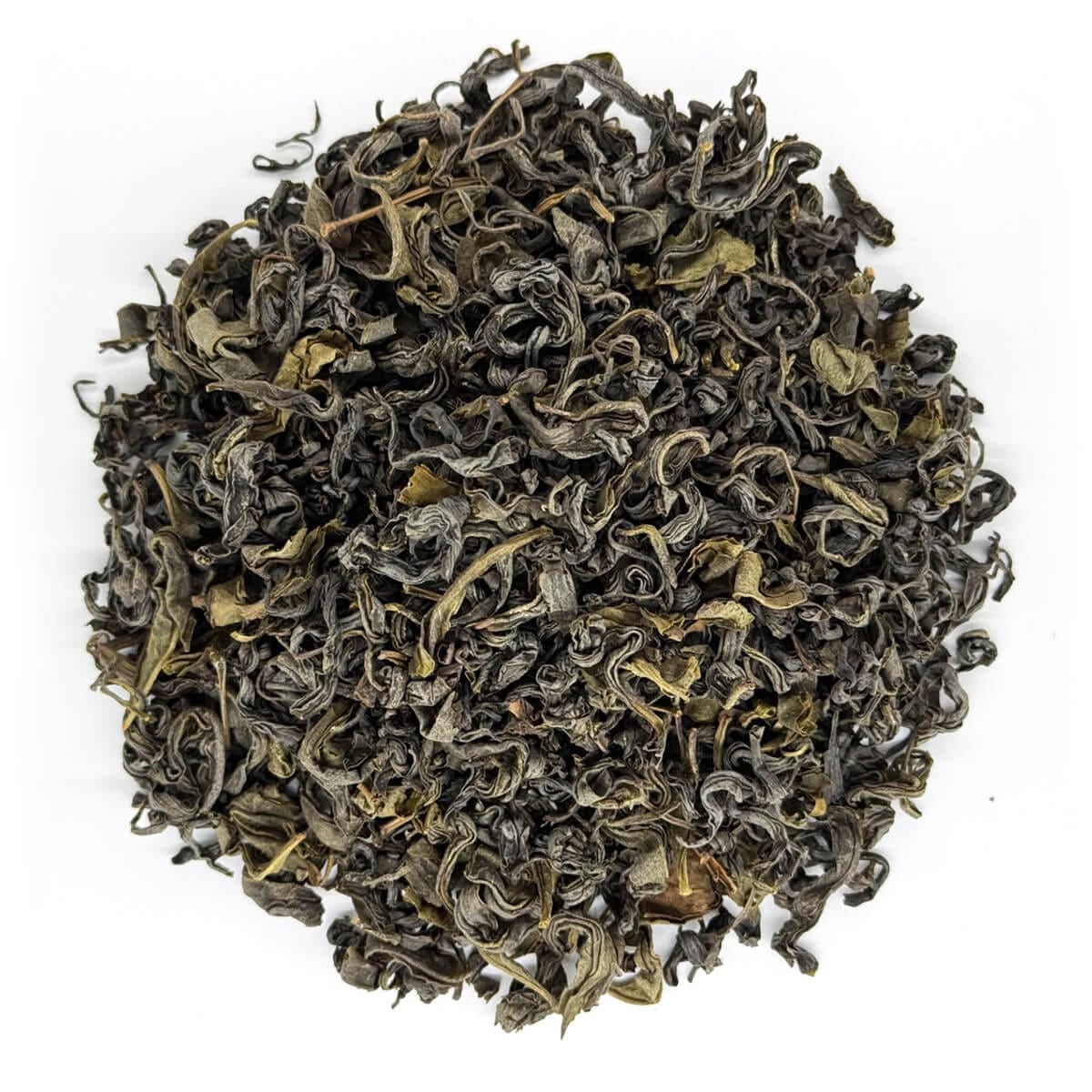
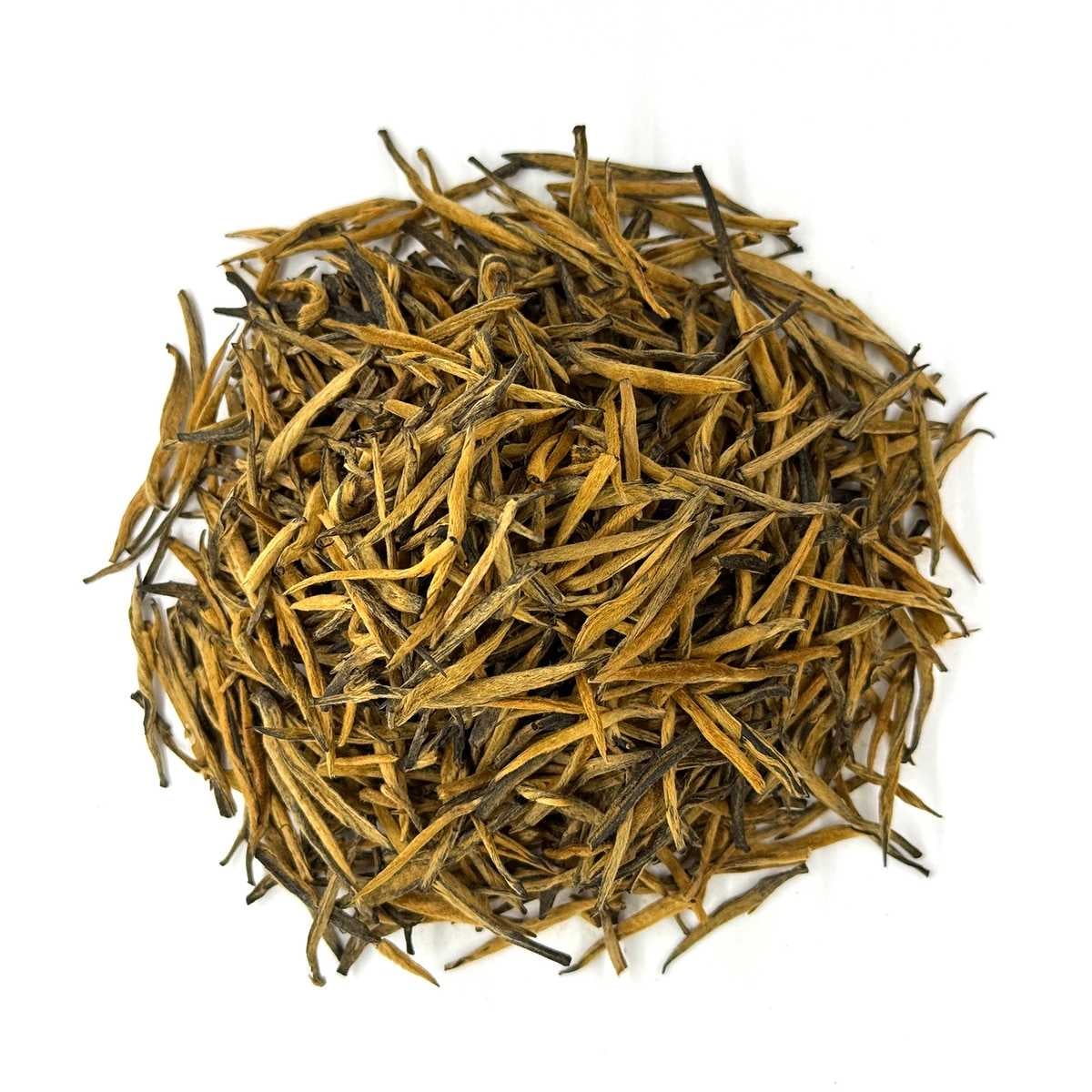
The real boom in tea growing and processing came in the 19th century, especially after the opening of international trade with Taiwan thanks to the Treaty of Tianjin (1858) and the arrival of foreign merchants. In the Wen Shan region the production of a special variety began to develop - Baozhong (or Paochong) - which typically belongs among the lightly fermented, strip-rolled teas with a gentle floral aroma.
An important milestone was the innovation of 1881, when Wu Fulao introduced the Baozhong processing method, until then used in the Chinese province of Fujian. This method quickly caught on in the Wen Shan area and began to spread to adjacent areas such as Nangang, Neihu and Pinglin. After 1912 the growing and processing were further refined, and the tea gained a greater emphasis on a natural, unscented fragrance and purity of aroma. During the Japanese occupation of the island (1895-1945) the designation “Wenshan Paochong” was officially introduced, and this tea became a symbol of northern Taiwan.
Today Wen Shan is among the most important tea areas in Taiwan. Wenshan Baozhong is highly prized for its elegant fragrance, lightness and freshness, and its cultivation is not only an agricultural activity but also an important part of the cultural identity of the local communities. The original traditional techniques are still carefully passed down from generation to generation, and modern growers continue to innovate and improve the quality of the tea.