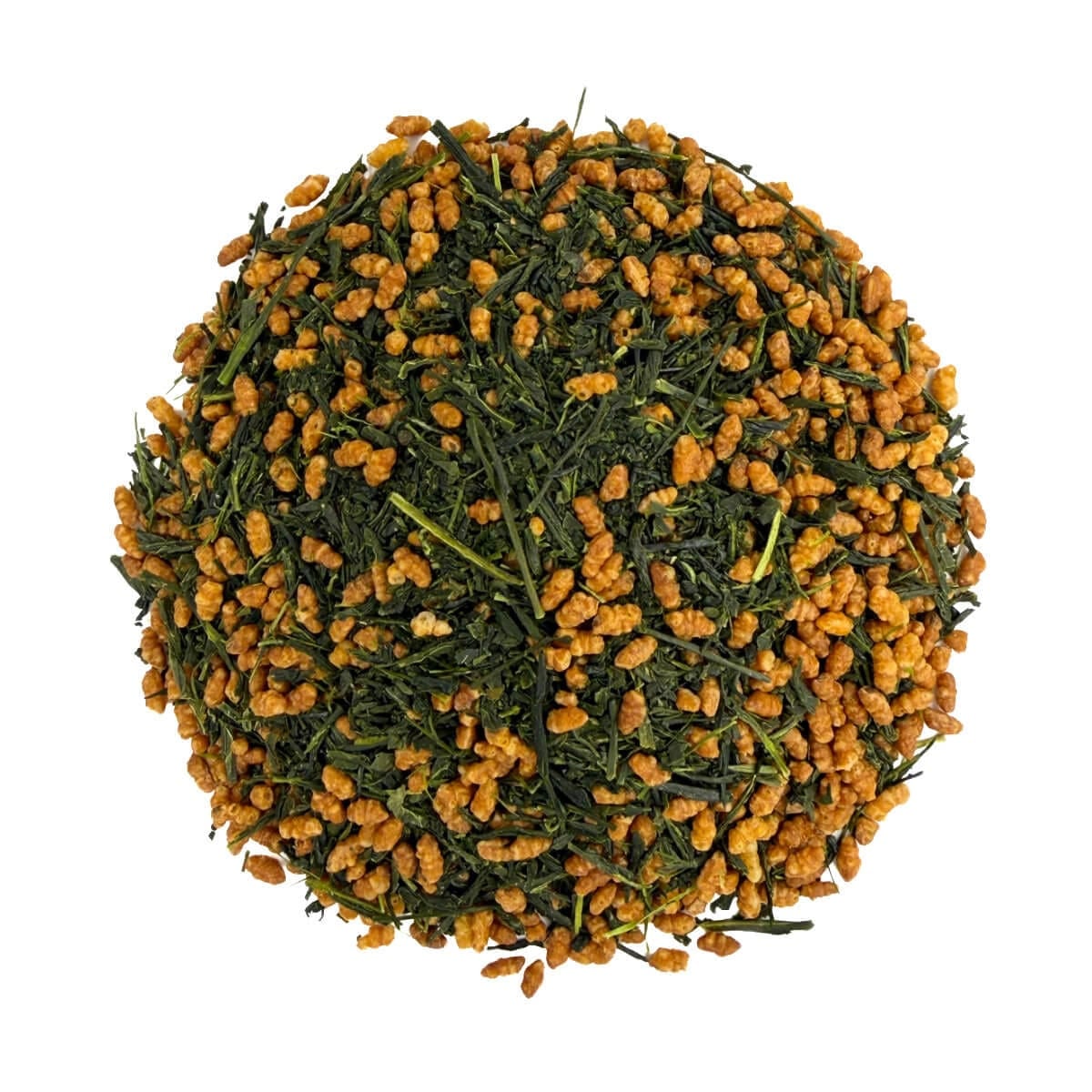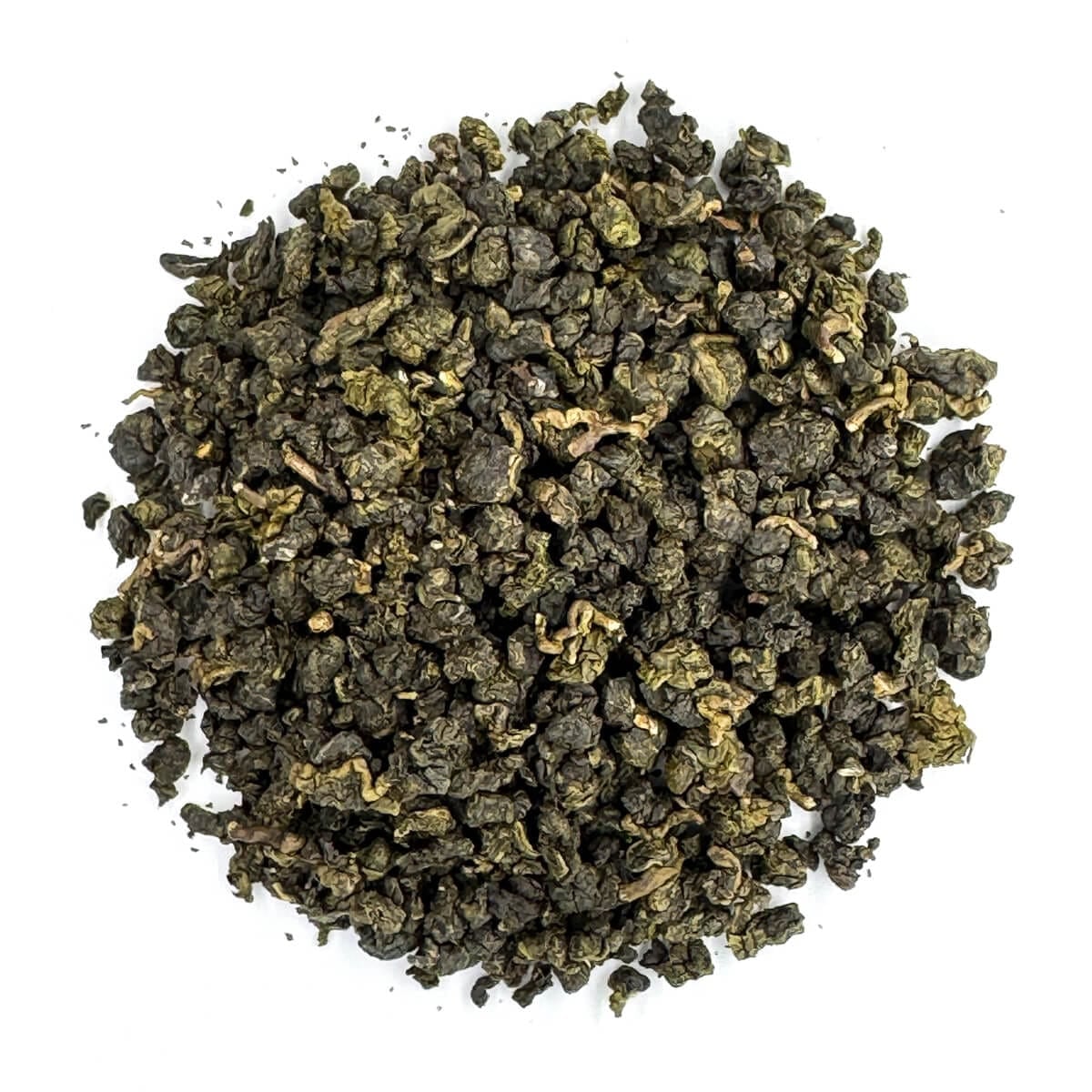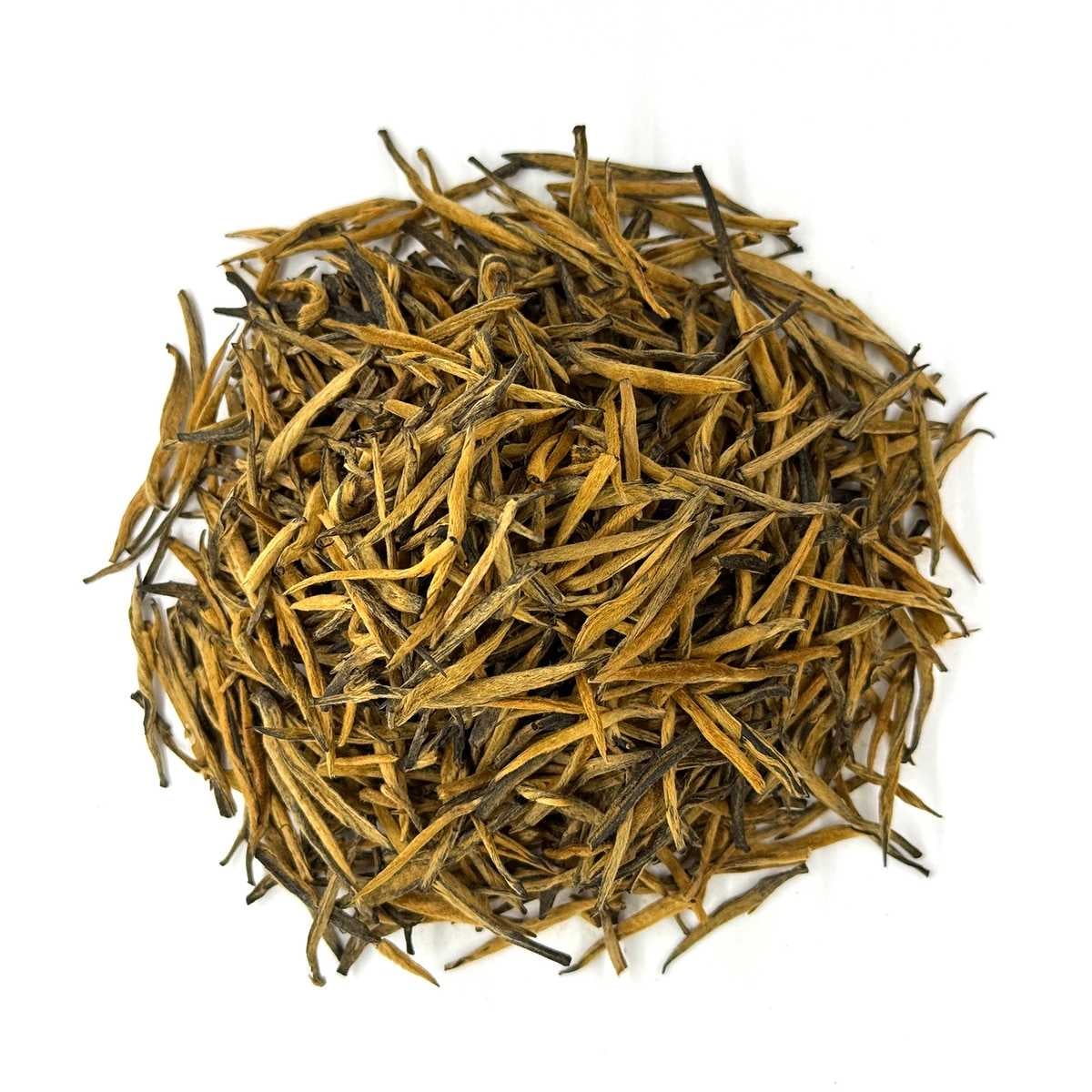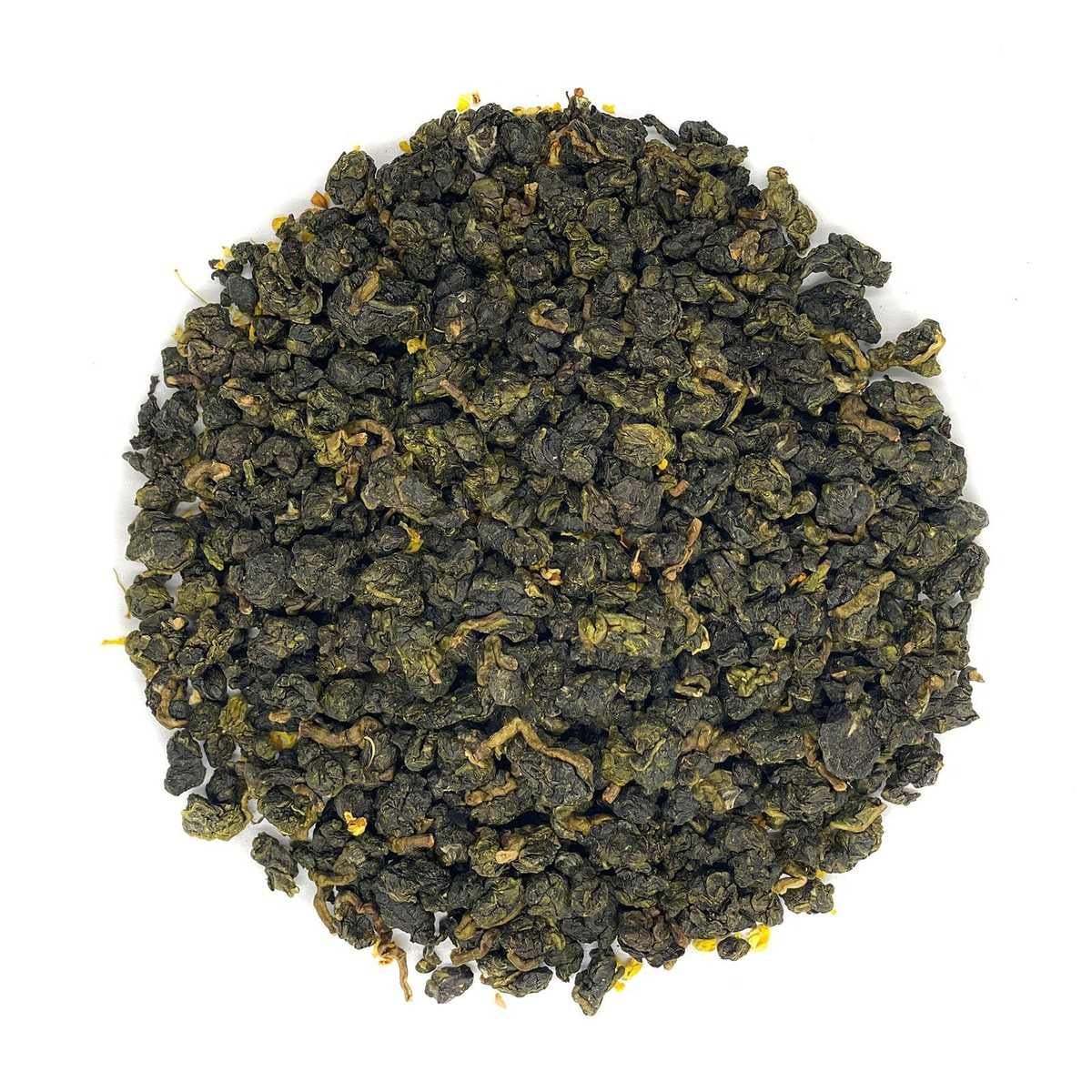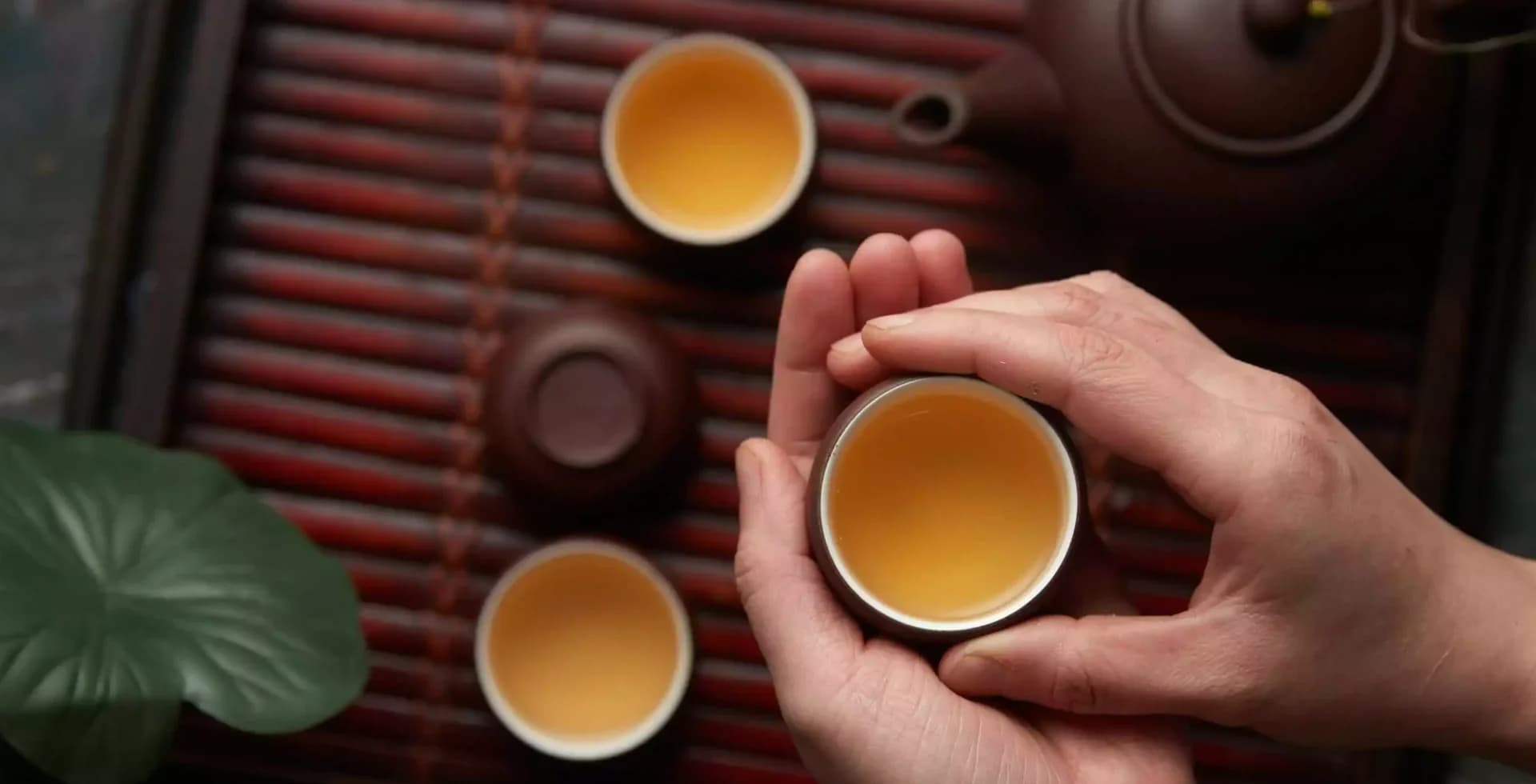
Are you one of those people who look for a moment of rest in the evening after a demanding day? Or one of those who choose their tea by what it can do for the body and mind, not just by taste? GABA tea may be a pleasant discovery for you. At first glance it looks like an ordinary tea - it can be green, black or oolong. But its processing is so unconventional that the result is a drink that combines a gentle taste with important effects for peace of mind, quality sleep and a healthy balance of the body. 🌱
What is GABA tea?
GABA is short for gamma-aminobutyric acid (gamma-aminobutyric acid), which is the main inhibitory neurotransmitter in the human central nervous system. Its role is to regulate nervous activity and support calming, relaxation and better sleep.
The story of GABA teas began in Japan in 1987. The discovery is attributed to the Japanese scientist Dr Tsushida Tojiro and his colleagues from the National Research Institute of Tea, who were originally looking for a way to extend the shelf life of fresh tea leaves. When they sealed the leaves in an oxygen-free environment and filled it with nitrogen, they found something surprising: the glutamic acid in the leaves was converted into GABA and its content rose sharply. Thus the very first GABA tea was created - they named it Gabaron.
To be labelled “GABA”, a tea must contain at least 150 mg of GABA per 100 g of dry tea. Quality Taiwanese GABA teas often exceed even the 400 mg mark. Besides its effects on the body, this method of processing also has attractive flavour qualities that evoke caramel or toffee - and that is precisely why it is so sought after.
GABA teas are not tied to a single type of processing. There is:
Thanks to this variety, every tea lover will find a taste that suits them.
Effects on body and mind
It is precisely the effects on the nervous system that make GABA tea so exceptional.
- Support for sleep: GABA tea shortens the time needed to fall asleep and promotes deeper, better-quality sleep. It is ideal in the evening - as a natural tea for sleep and relaxation.
- Stress reduction: Regular drinking of GABA tea can help lower the level of stress hormones, harmonise the psyche and induce a feeling of calm. GABA naturally helps reduce the level of cortisol, the stress hormone.
- Improved concentration: GABA supports brain activity, memory and attention. It is often recommended as a tea for studying or concentration.
- Antioxidants: GABA oolong is among the teas rich in antioxidants - polyphenols, flavonoids and catechins protect cells from oxidative stress, support immunity and can benefit the circulation.
- Regeneration: It is also associated with supporting the production of growth hormone (HGH), which can be beneficial for muscle recovery.
How to prepare GABA tea?
GABA teas can be prepared in several ways - each brings a different experience.
Before the first steeping, briefly rinse the leaves with hot water to awaken the aroma. Steep the first infusion for about 5 seconds and extend the following ones slightly to taste - a quality GABA tea handles 8 to 10 infusions. This technique allows the gradual release of all the flavour and aromatic layers, which connoisseurs especially appreciate.
Use 5 grams of tea per 1 litre of water and steep for 2-3 minutes. This method is ideal for drinking during the day, for example in the office or at home.
Pour 1 litre of cold water over 5 grams of tea and let it steep for about 12 hours in the fridge. The result is a gentle, fresh taste with a natural sweetness and no bitterness.
Why choose GABA tea?
If you are looking for a tea that gives you more than just refreshment, GABA tea is a beautiful choice. In a single cup, tradition meets modern science - and the result is a drink that supports inner balance. In the evening it helps towards a calmer sleep; in the morning or during the day it improves concentration; and with every infusion it brings new shades of flavour. GABA tea is thus more than just a drink - it is a small ritual for your body, mind and good mood.
Why might GABA tea not always work?
Let’s be honest: GABA from tea may not work for everyone. This molecule crosses the blood-brain barrier between the blood and the brain only with difficulty, so part of the GABA taken in may be metabolised or excreted in the urine without a direct effect on the nervous system. That is why the effects of GABA tea are largely individual - and it is best simply to try how it works for you.