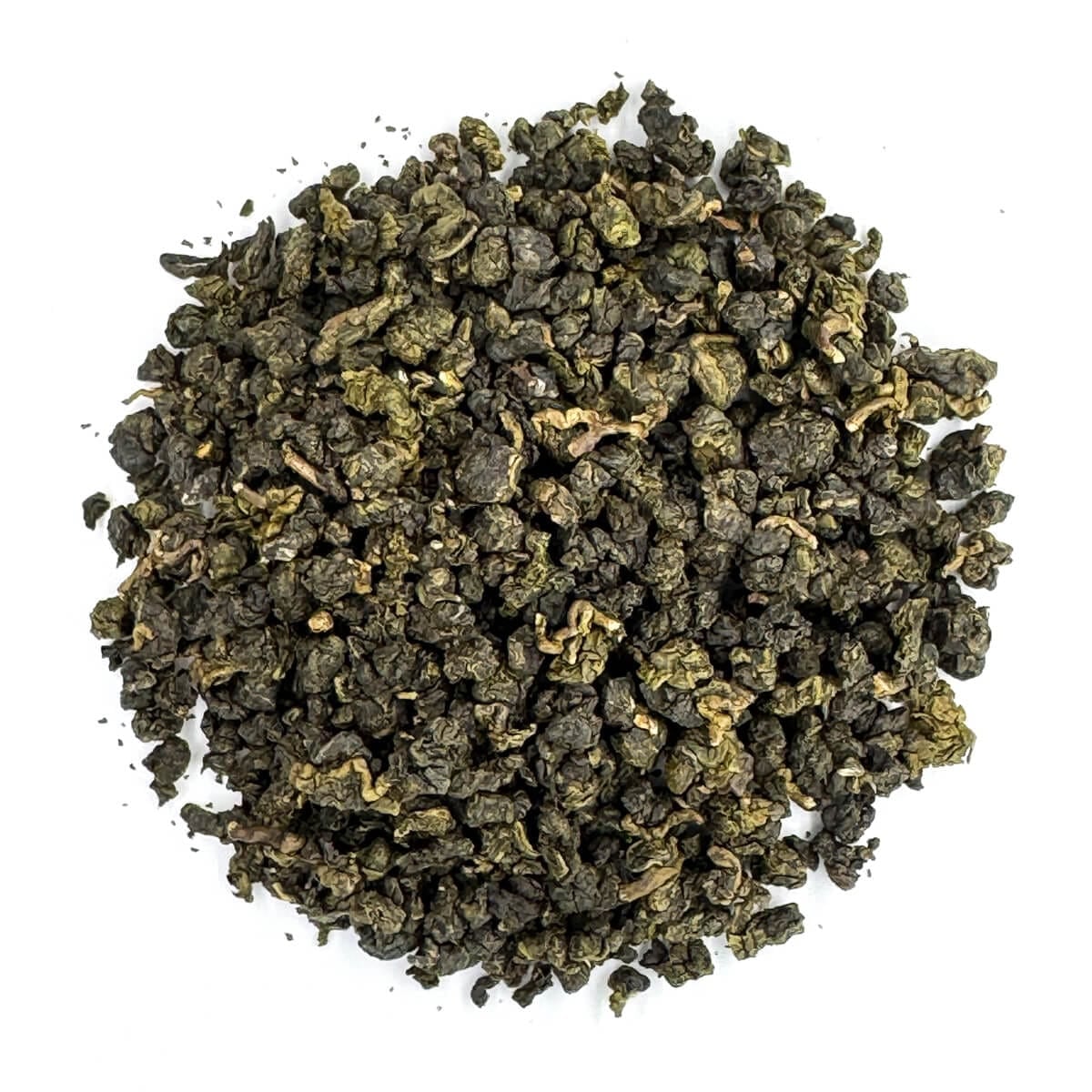
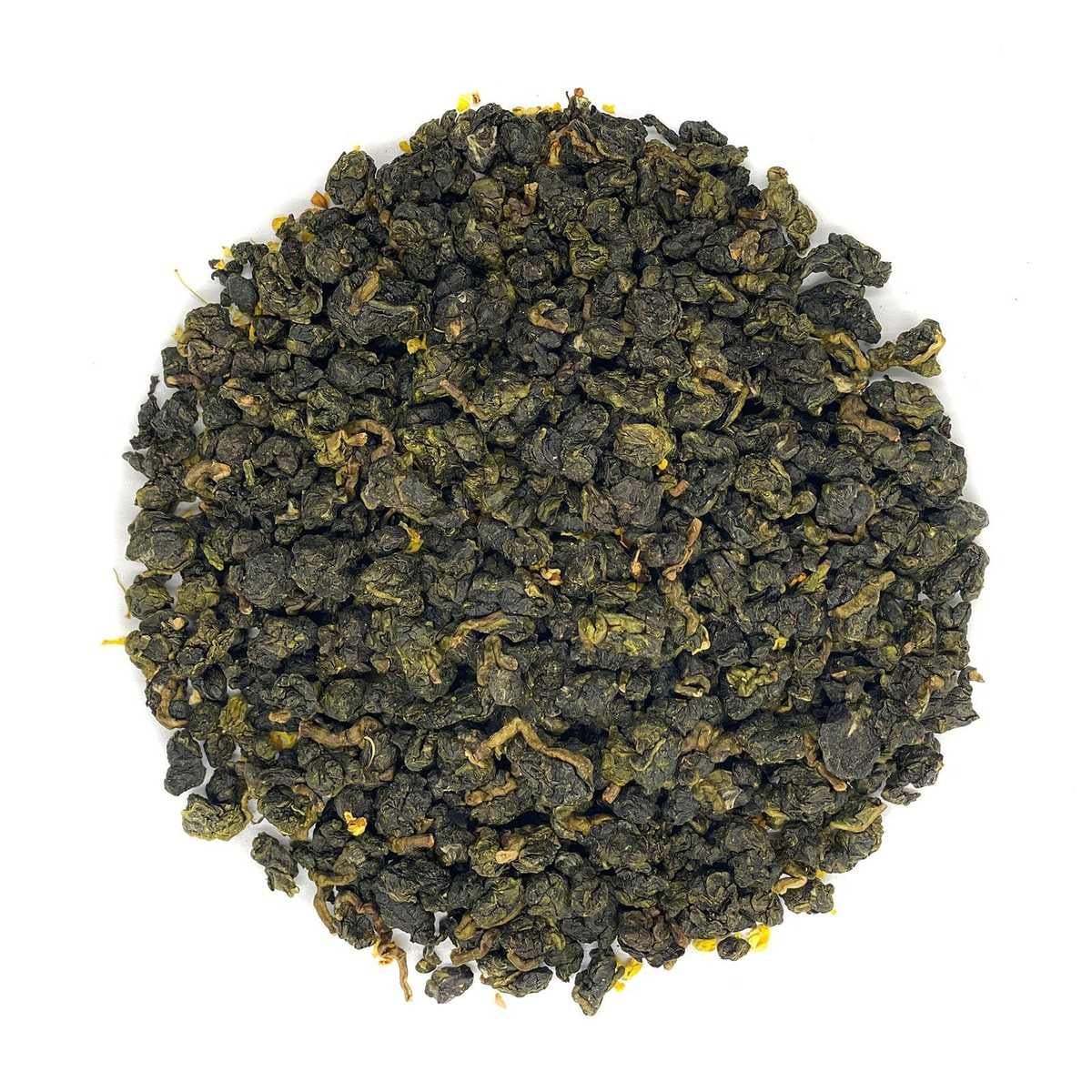
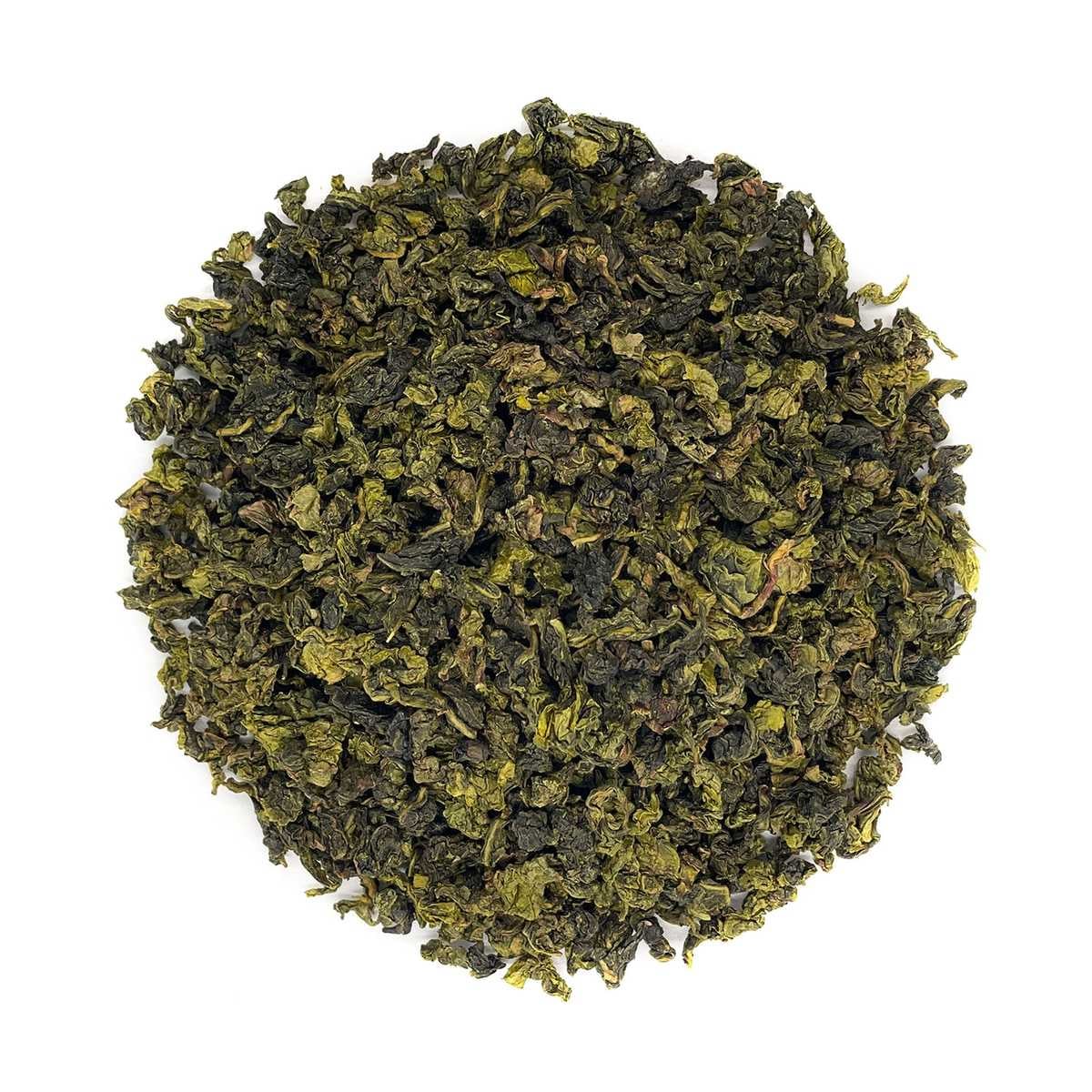
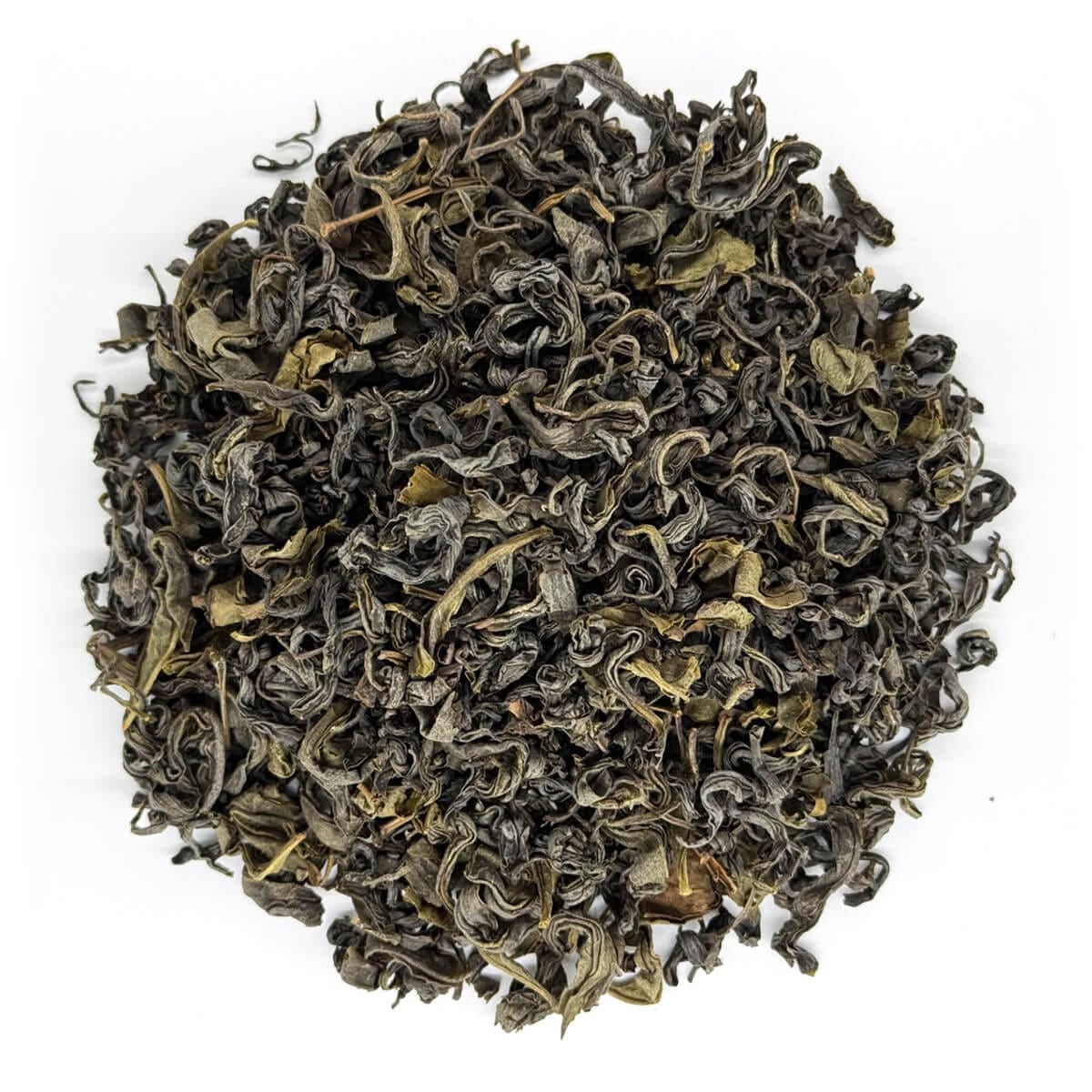
Sanxia was among the first regions in Taiwan where tea was grown systematically. During the period of Japanese colonial rule (1895-1945), new tea gardens began to be established and various cultivars, processes and growing technologies were tried - the core of this innovation was in the northern areas. The Japanese supported mainly the commercial cultivation of black tea, but in the Sanxia region the main tradition of green-tea processing remained, and it has survived to this day.
Sanxia is today known above all for the traditional green tea of the Bi Luo Chun (Pi Luo Chun) type, which is produced here in a specific way - young, tender leaves are picked early in spring, thoroughly dried and rolled into a small spiral shape. The local terroir - fertile soil in the river delta, a humid subtropical zone and frequent mists - contributes to the fresh, sweetish taste of these teas.
After the Second World War, further changes came in Taiwan - the state research station TTES (later TRES) was founded, which fundamentally influenced the development of modern growing techniques and the selection of suitable cultivars for local conditions. In Sanxia, tea continues to be grown mostly in the “traditional” family way, with many farmers placing emphasis on ecological practices and preserving quality.
Today Sanxia is one of the most important tea areas of northern Taiwan - its teas are known across the island and abroad, and often win competitions for quality and processing, while retaining a strong bond to local tradition and nature.