Guangxi (廣西壯族自治區) is an autonomous region in southern China on the border with Vietnam, with its capital Nanning (南寧). The landscape is characterised by the world-famous karst tower mountains around Guilin (桂林) and the dense river network of the Xi Jiang (西江) basin. It is home to the Zhuang people (壯族) - China's largest ethnic minority, which to this day preserves its own language and culture.
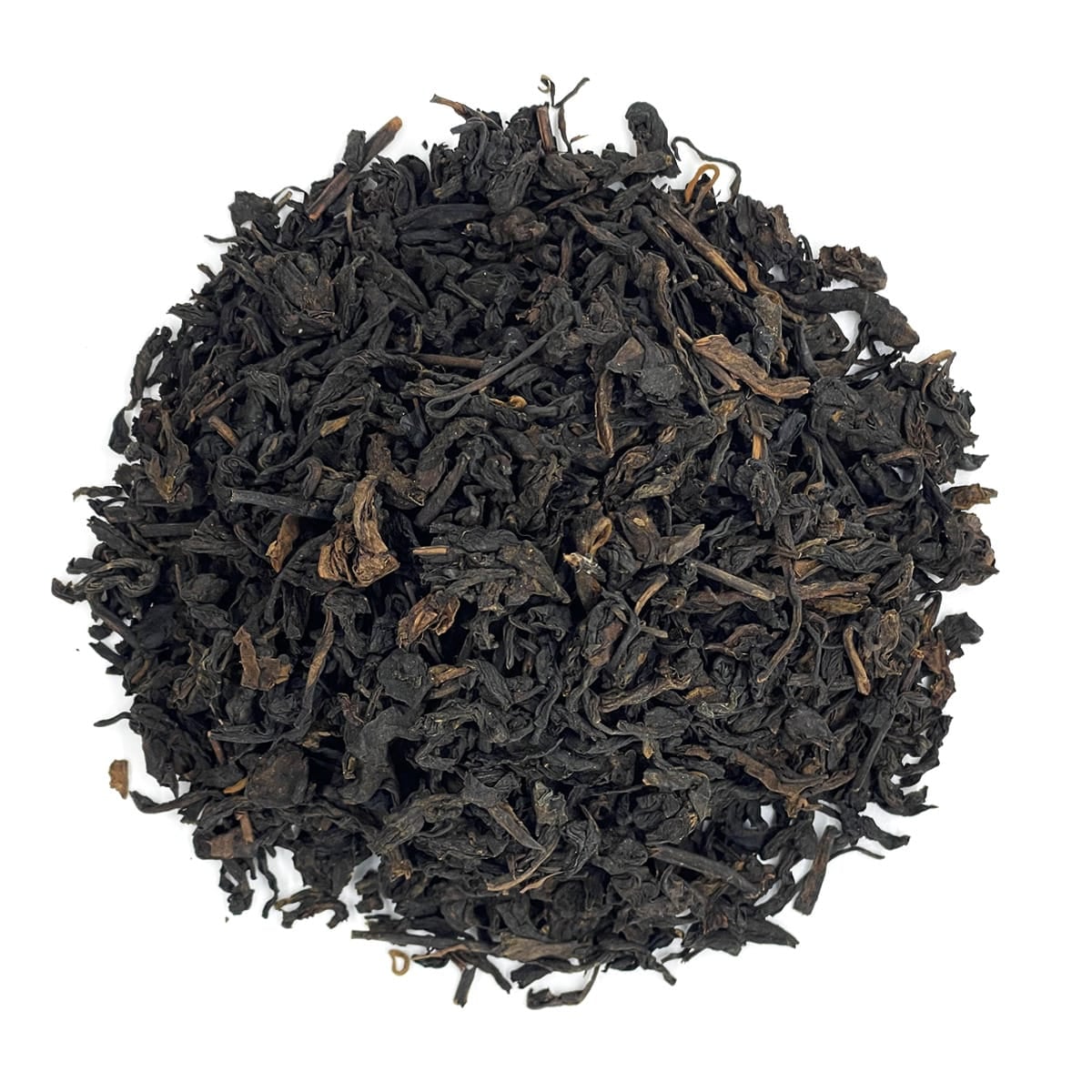
Tea growing in Guangxi is documented from the Tang dynasty (618 - 907), but the region's own identity was given by a single tea - Liu Bao (六堡). It is a post-fermented dark tea (hei cha), related to pu-erh but with a different processing technique; it comes from the village of the same name in Wuzhou county (梧州). Historically it was exported along the Xi Jiang river to Guangzhou and from there along the South Sea trade route (Nanyang) to Malaysia, where in the 19th century Chinese miners in the tin mines drank it daily as protection against damp and tropical diseases.
The climate is subtropical monsoonal - warm, humid, with abundant summer rainfall and mild winters. The limestone mountains and dense river network keep the air humidity high, which together with the warmth creates a favourable environment for large-leaf tea plants (da ye) - the traditional raw material for Liu Bao.
Classic Liu Bao is allowed to age for a long time: after processing, the leaves are pressed into bamboo baskets (簍, lǒu) and fermented in cellars for several years, sometimes decades. The result is a smooth, full liquor with notes of old wood, cocoa, dried dates and gentle earthiness, with a long finish. Thanks to this deep character, Liu Bao is today being discovered by a specialist community of tea lovers and its popularity is growing.