Guangdong (廣東) is a coastal province in southern China by the Pearl River Delta. The heart of its tea identity is the Feng Huang Shan range (鳳凰山 · “Phoenix Mountain”) near the city of Chaozhou (潮州) in the east of the province. The highest peak, Wu Dong Shan, measures 1,391 m, and it is on its slopes, at altitudes of roughly 350 - 1,400 m, that the area's most precious tea trees grow.
Tea growing on Phoenix Mountain is documented from the Southern Song dynasty (南宋, 1127 - 1279). From those times comes the oldest local variety, Song Zhong (宋種) - some mother trees are over 600 years old and are still harvested today. In Chaozhou, the ceremonial preparation of gong fu chá (工夫茶) in tiny teapots and cups also took shape, and from it grew the now world-famous brewing method.
The climate is subtropical monsoonal - warm, humid, with abundant summer rainfall. The higher elevations of Wu Dong Shan are shrouded in mist most of the year, and night temperatures drop markedly. The cooler air and diffused light slow the growth of the shoots and support the formation of aromatic compounds - it is to them that the local tea owes its extraordinary intensity of fragrance.
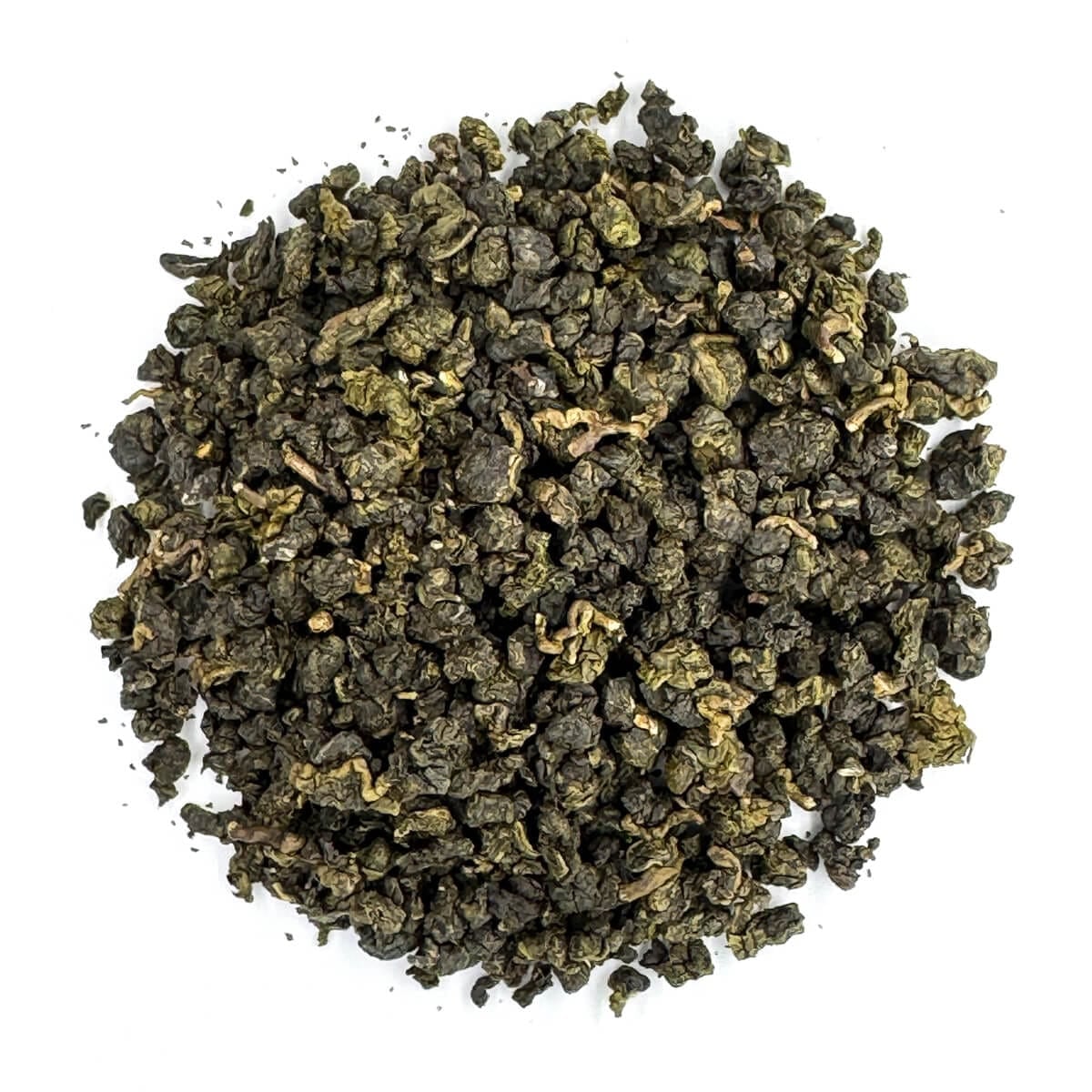
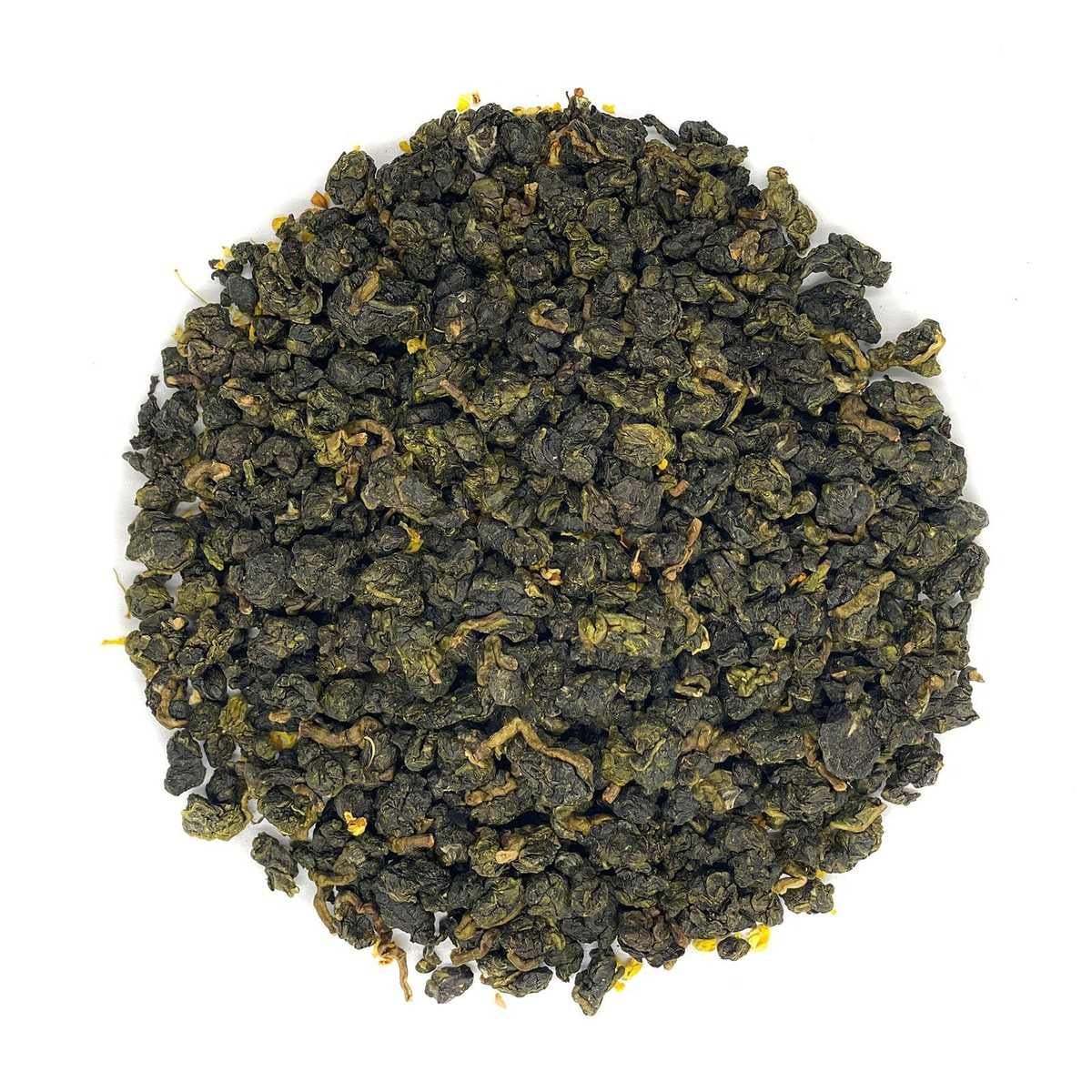
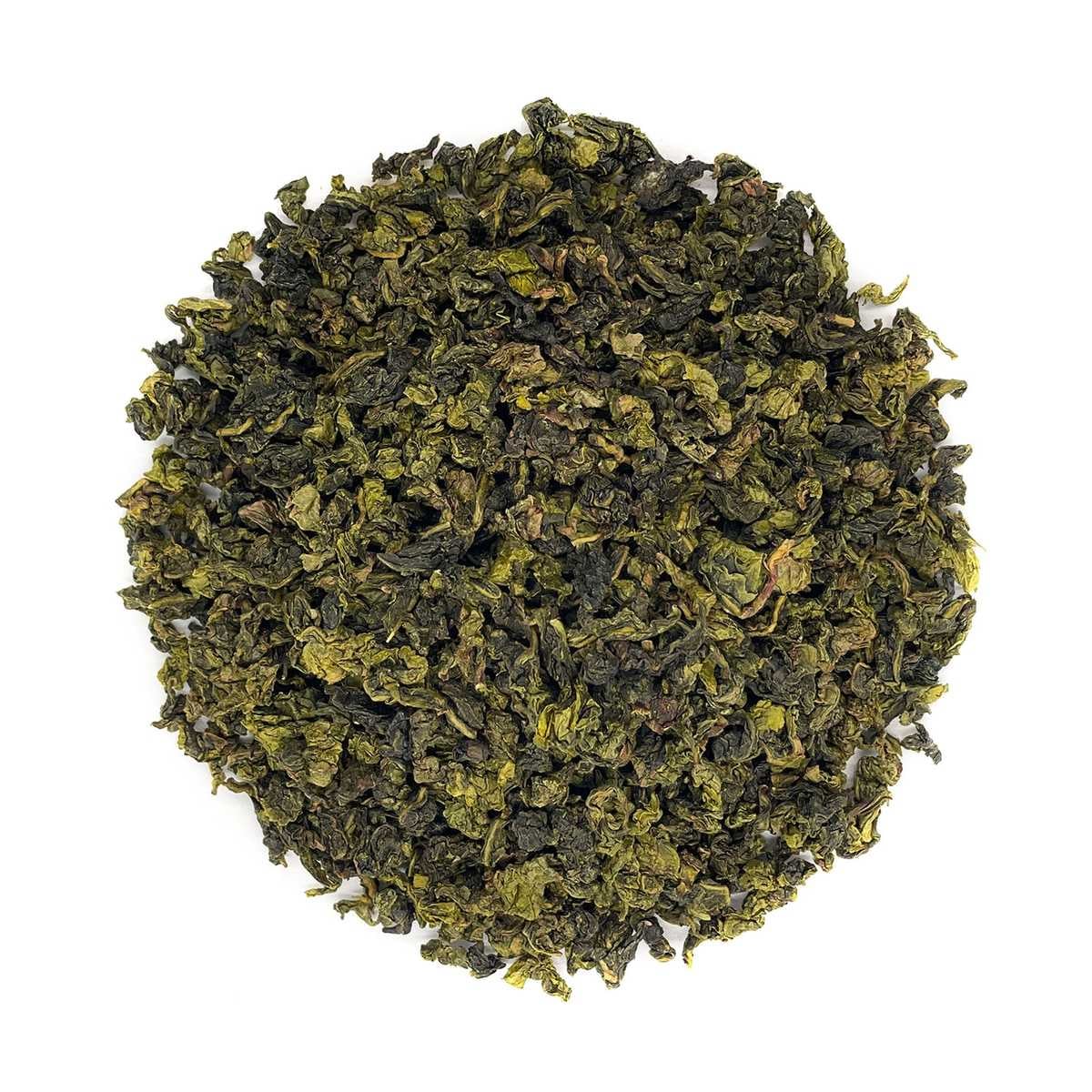
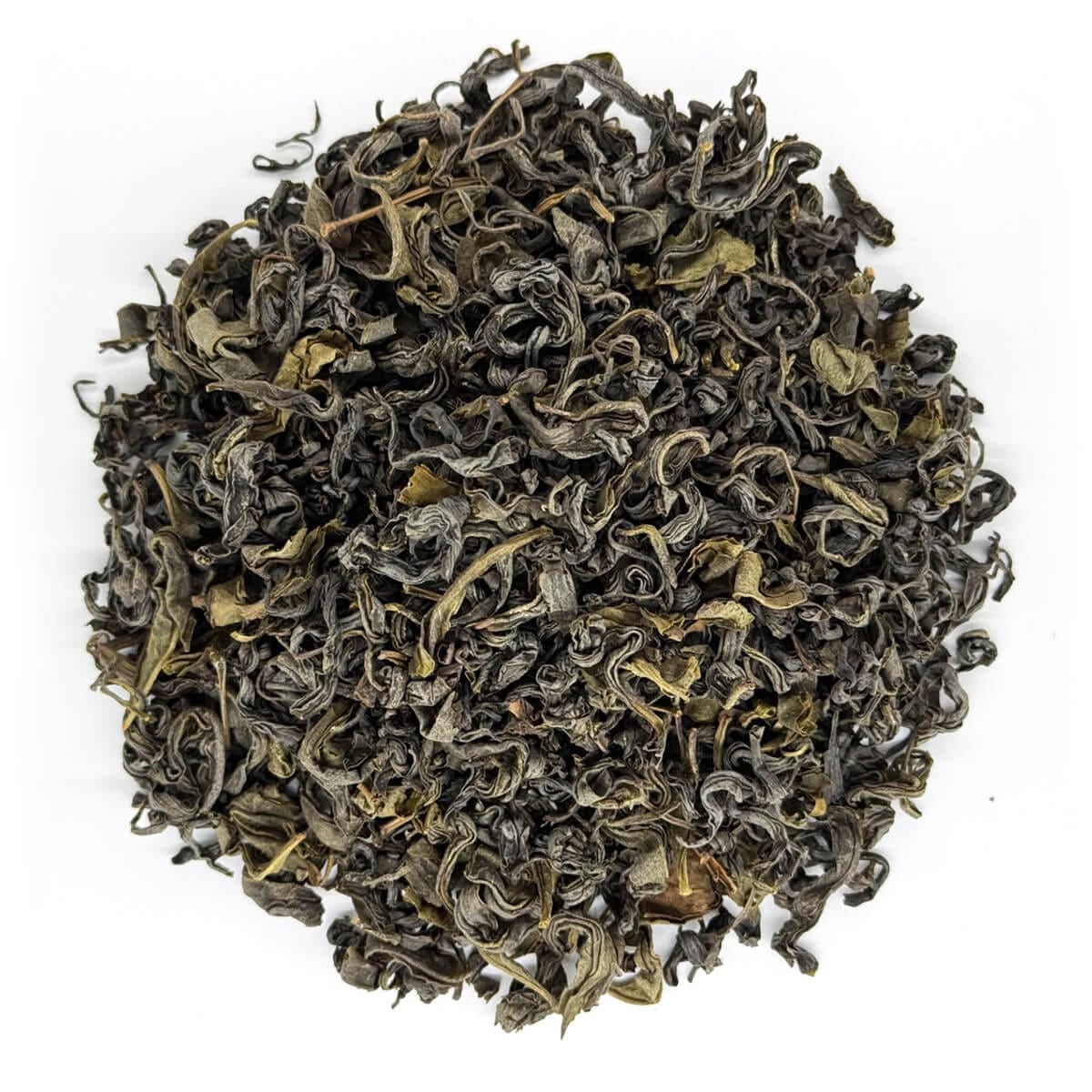
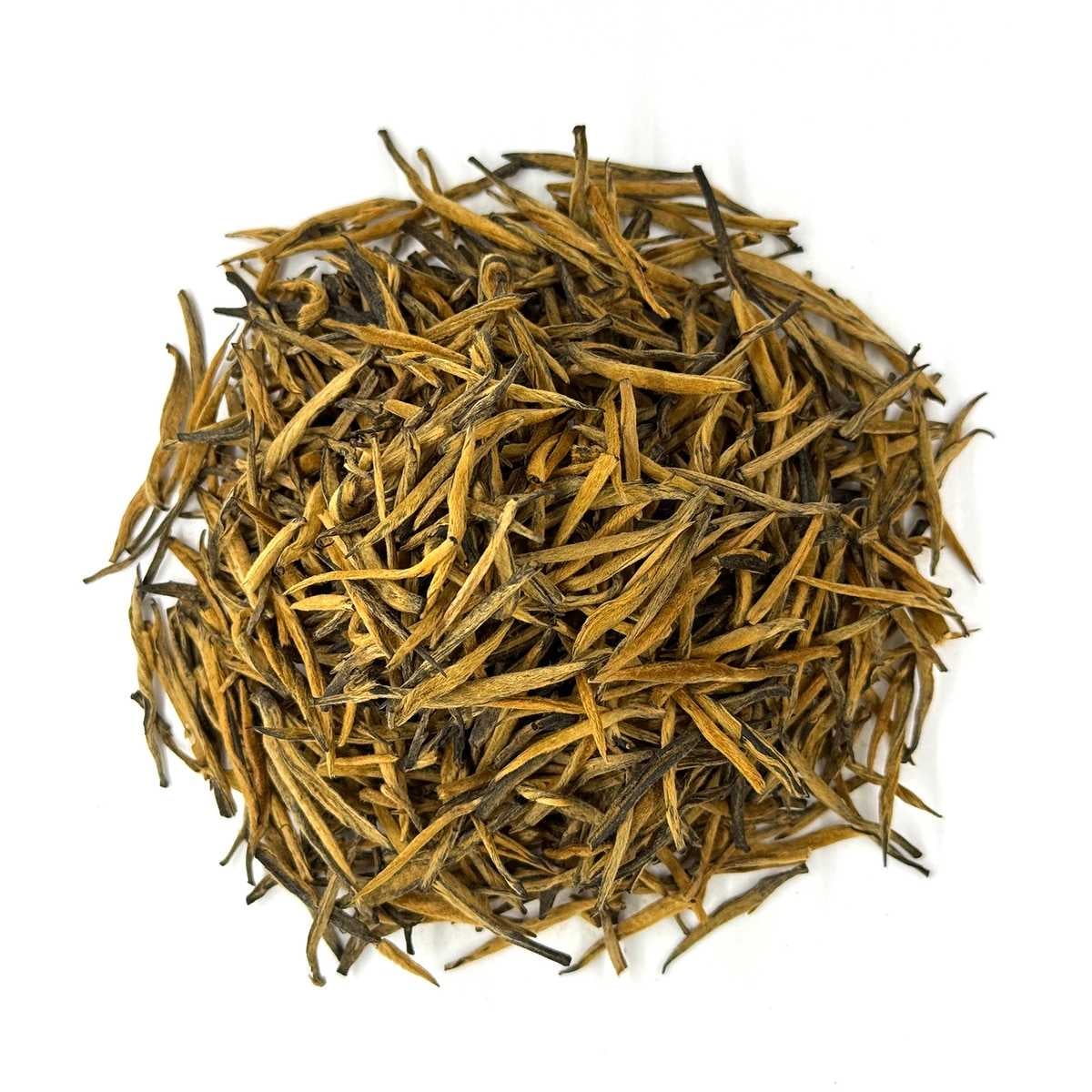
The region's speciality is Feng Huang Dan Cong (鳳凰單叢 · “phoenix single bush”) - an oolong from the Shui Xian cultivar (水仙), of medium to higher oxidation (about 40 - 60 %) and with subsequent roasting. It can mimic the scents of flowers and fruit; individual types are labelled by aroma - Mi Lan Xiang (蜜蘭香 · honey orchid), Huang Zhi Xiang (黃梔香 · gardenia) or Xing Ren Xiang (杏仁香 · almond). The liquor is golden to amber, the taste full with a long sweet finish; the leaves withstand many infusions. The main harvest takes place in spring (April - May).